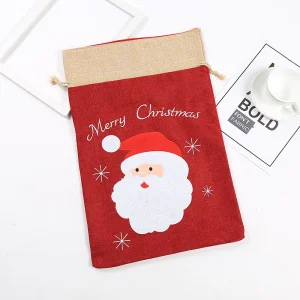
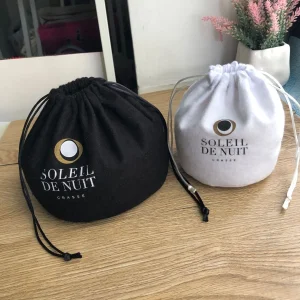
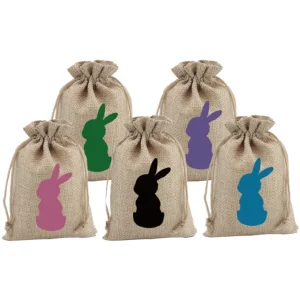
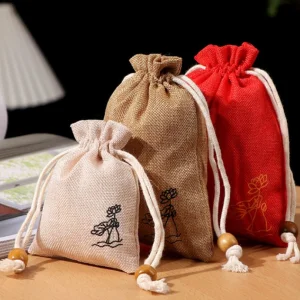
Linen Drawstring Bag Manufacturers & Exporters for the Finland Market

Decarbonizing Packaging Systems: High-Performance Natural Fiber Engineering & B2B Procurement Operations for Nordic Brands.

Send Inquiry Now

Finland's Carbon-Neutral Circularity Vision

Finland is pioneering the transition toward a fully circular economy, aiming to be carbon-neutral by 2035. This progressive national agenda has driven Finnish brands and commercial entities to eliminate single-use plastics and high-carbon synthetic materials from their distribution networks. With the implementation of the updated Finnish Waste Act, packaging transparency and end-of-life cycle assessments have become mandatory metrics for major procurement departments.

Consequently, natural fibers like flax linen have emerged as critical vectors for compliance. Linen is derived from the resilient flax plant, requiring minimal irrigation and zero chemical fertilizers compared to industrial cotton. Its inherent cellular structure allows for continuous reuse, high-temperature sanitation, and complete biodegradation in domestic and municipal composting systems, matching Finland's ecological demands.

"Under the Finnish national framework, businesses are shifting from simple greenwashing to audited packaging lifecycle analyses. Linen bags provide an authentic, low-impact substrate."

Nordic Aesthetic Integration & Functionality

In addition to regulatory compliance, the Finnish market prioritizes functional minimalism—a core tenet of Scandinavian design. Linen's coarse texture, earthy drape, and tactile feedback offer a premium aesthetic that aligns with clean-label beauty brands, organic food producers, and high-end design houses based in Helsinki and Tampere.

Linen possesses naturally occurring antimicrobial properties due to the presence of lignins, which inhibit bacterial and fungal propagation. This biological advantage makes it highly effective for storing foodstuffs (such as artisanal sourdough and rye breads) and bath amenities in high-humidity sauna environments.

2035 Carbon-Neutrality Zero Plastic Compliance Biodegradable Substrates

Shenzhen LAHD Bag Co., Ltd.

Forging High-Precision Ecological Logistics Systems Since 2006

Established in 2006, Shenzhen LAHD Bag Co., Ltd. has evolved from a specialized textile converting workshop into a global supplier of natural fiber packaging systems. We integrate agricultural sourcing, fiber processing, precision machine weaving, digital and silk-screen custom printing, and high-speed mechanical assembly under a unified quality assurance framework.

Our industrial infrastructure handles both large-scale OEM runs and custom ODM runs for selective clients across North America, the EU, and the Nordic countries. By combining raw flax materials with automated processing lines, we control weave density, seam tensile strength, and printing precision to meet international food-contact and cosmetic packaging standards.

Our commitment to the Finnish and greater European markets is backed by a robust compliance matrix, including OEKO-TEX Standard 100 certification and GOTS-certified organic linen processing. We understand the specific logistical bottlenecks of Northern European distribution, offering secure sea, air, and multimodal rail-freight shipping directly to major hubs such as Helsinki, Kotka, and Oulu, complete with customs pre-clearance documents.

Packaging Carbon Footprint Comparison (kg CO₂ eq per 1,000 uses)

Virgin LDPE Plastic Bags 120 kg CO₂
Recycled Polyester (rPET) Drawstring Bags 85 kg CO₂
Standard Non-Organic Cotton Pouches 65 kg CO₂
LAHD Natural Linen Drawstring Bags (Sustainably Farmed) 18 kg CO₂

Smart Manufacturing & Quality Control Operations

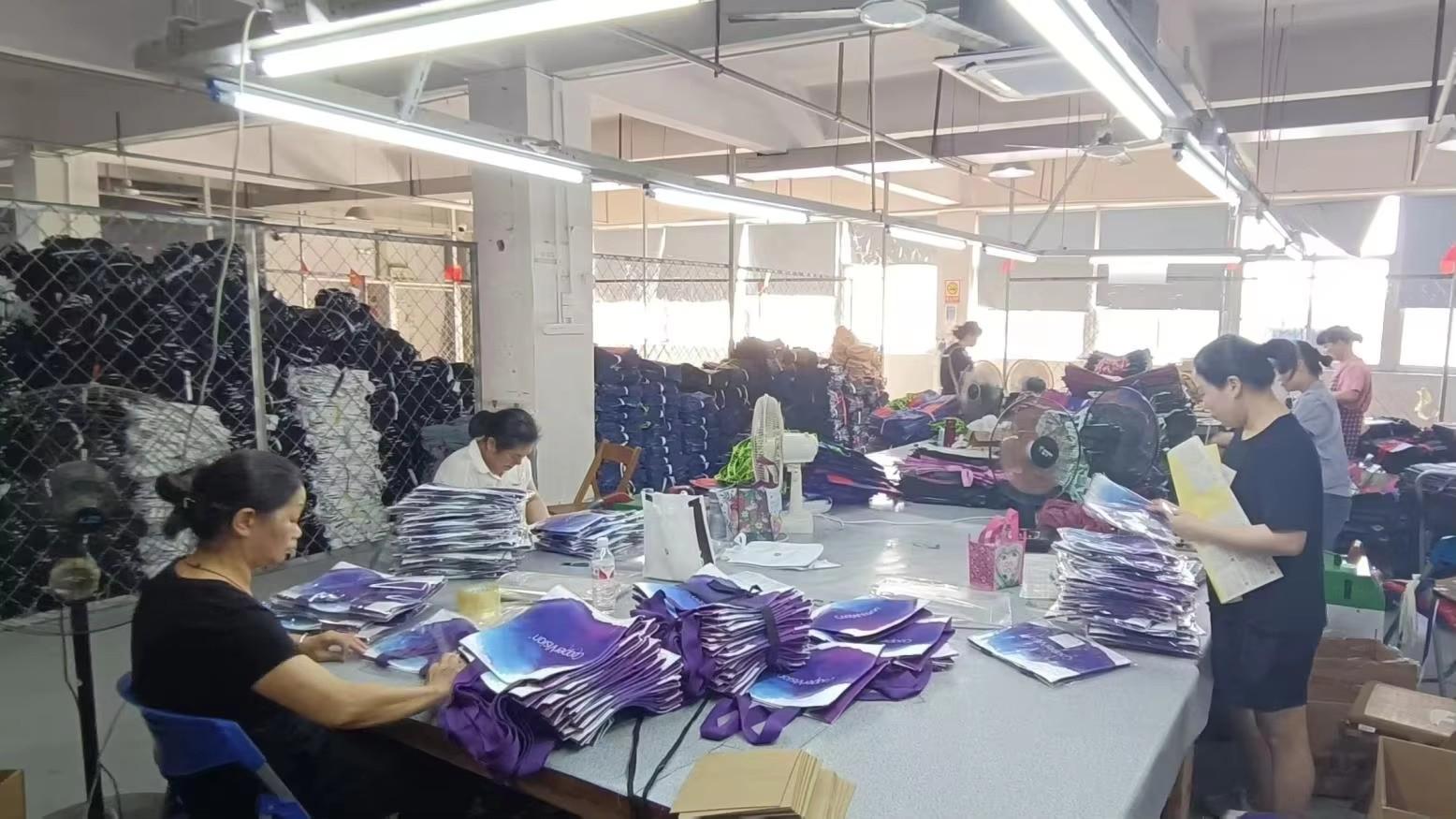
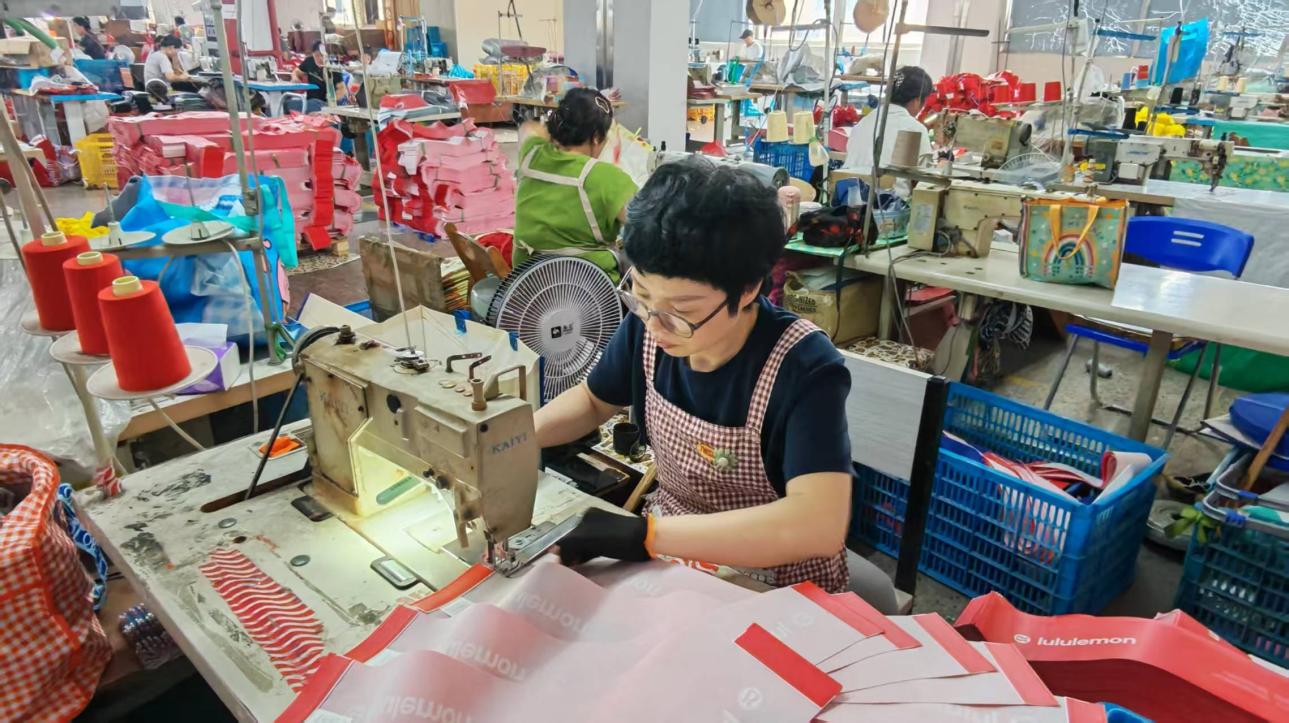
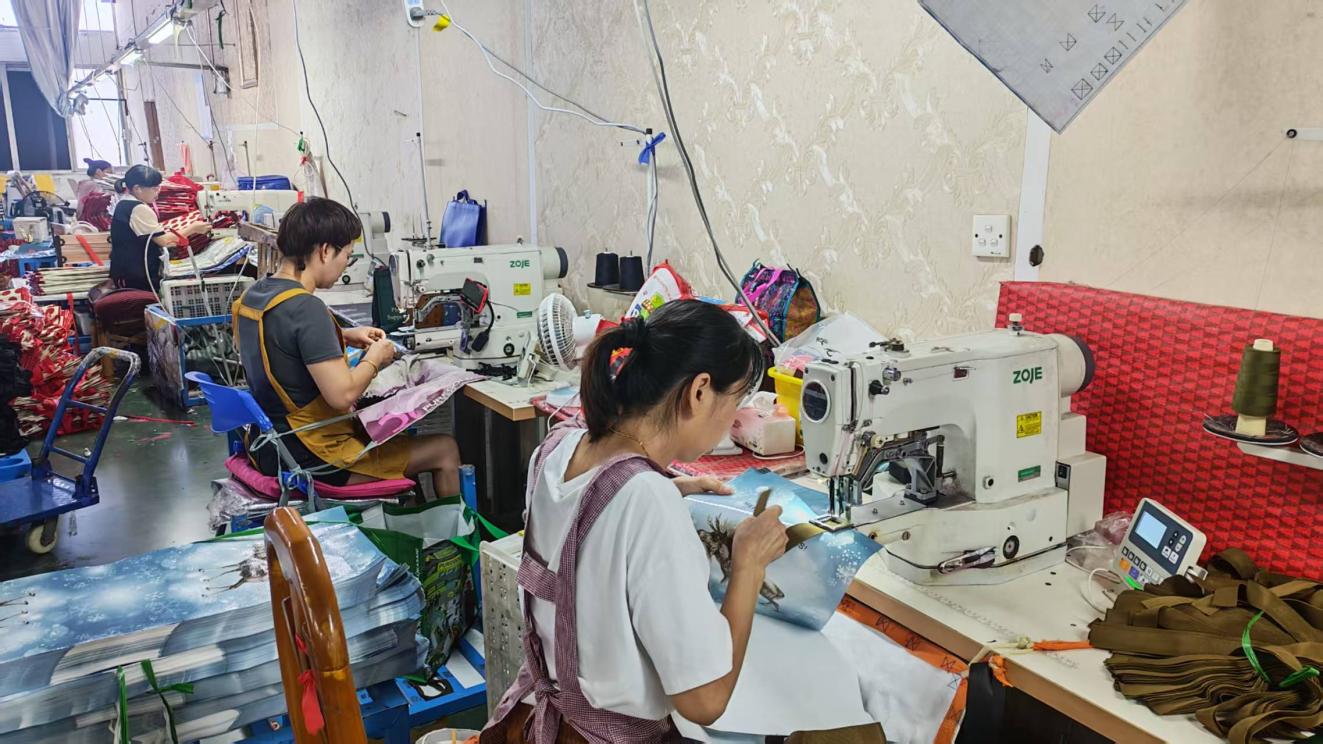
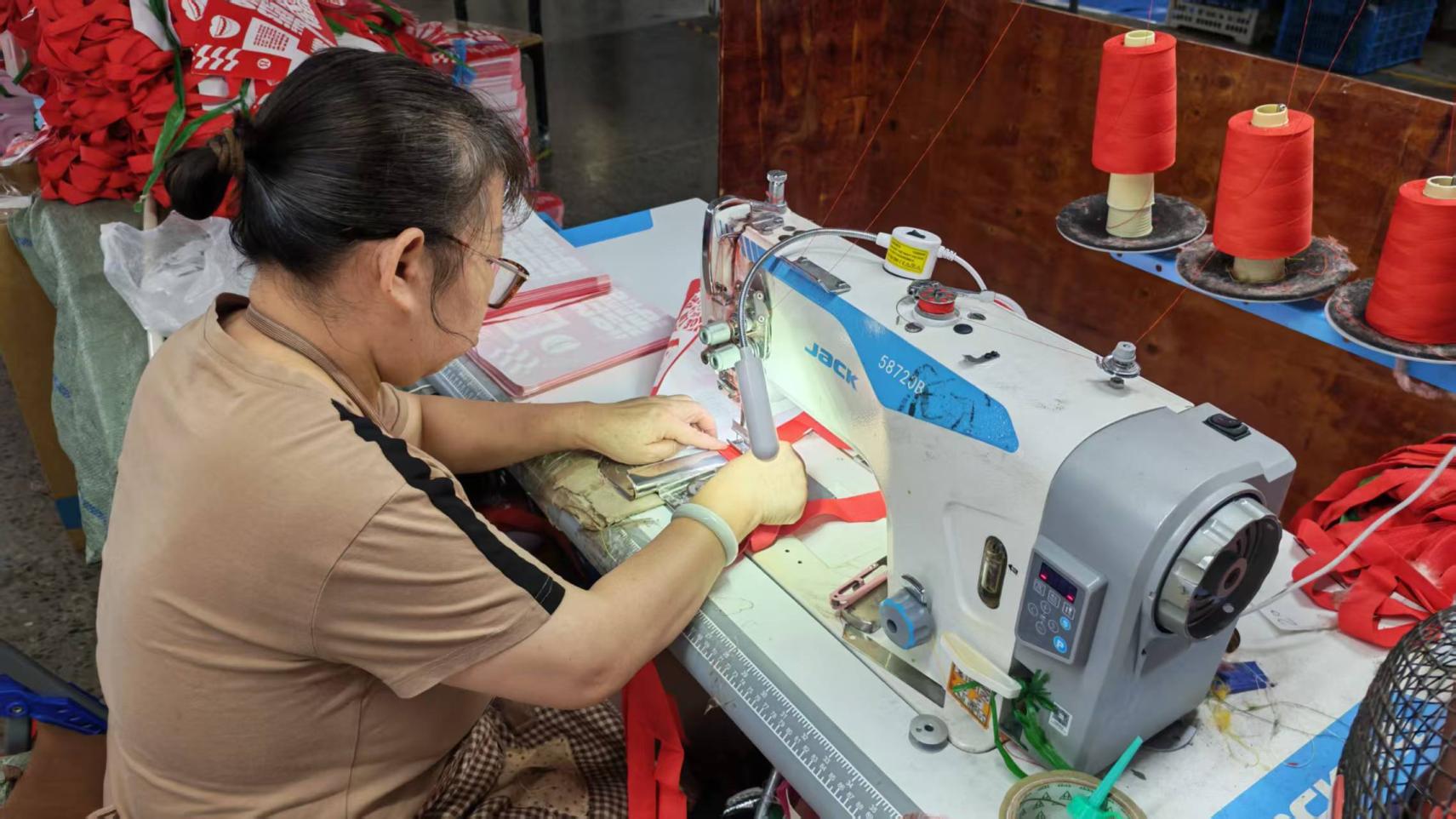
Every stage of production is controlled to maintain dimensional stability, stitch durability, and precise brand reproduction.
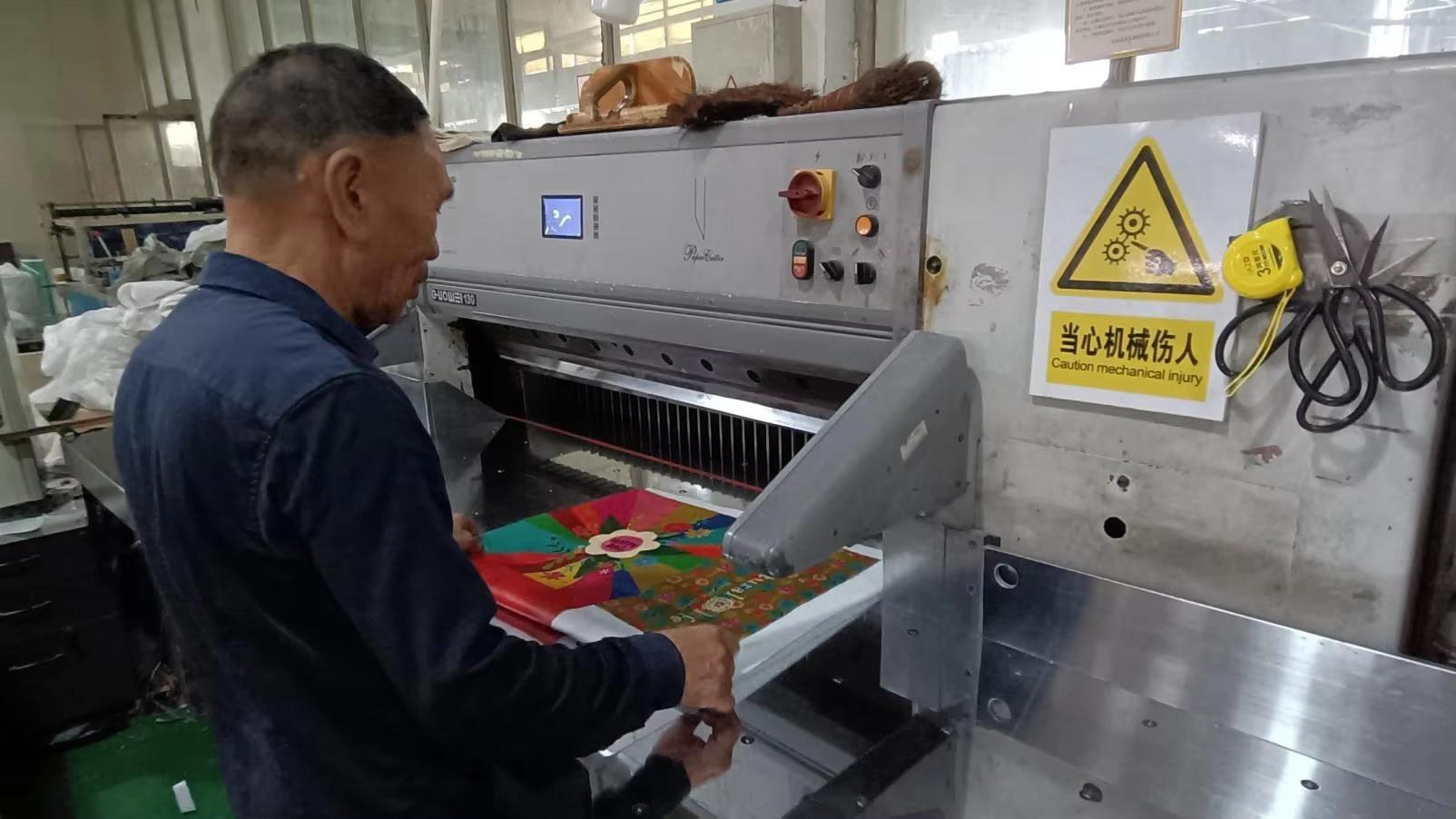
Cutting process for linen bags
Cutting Process
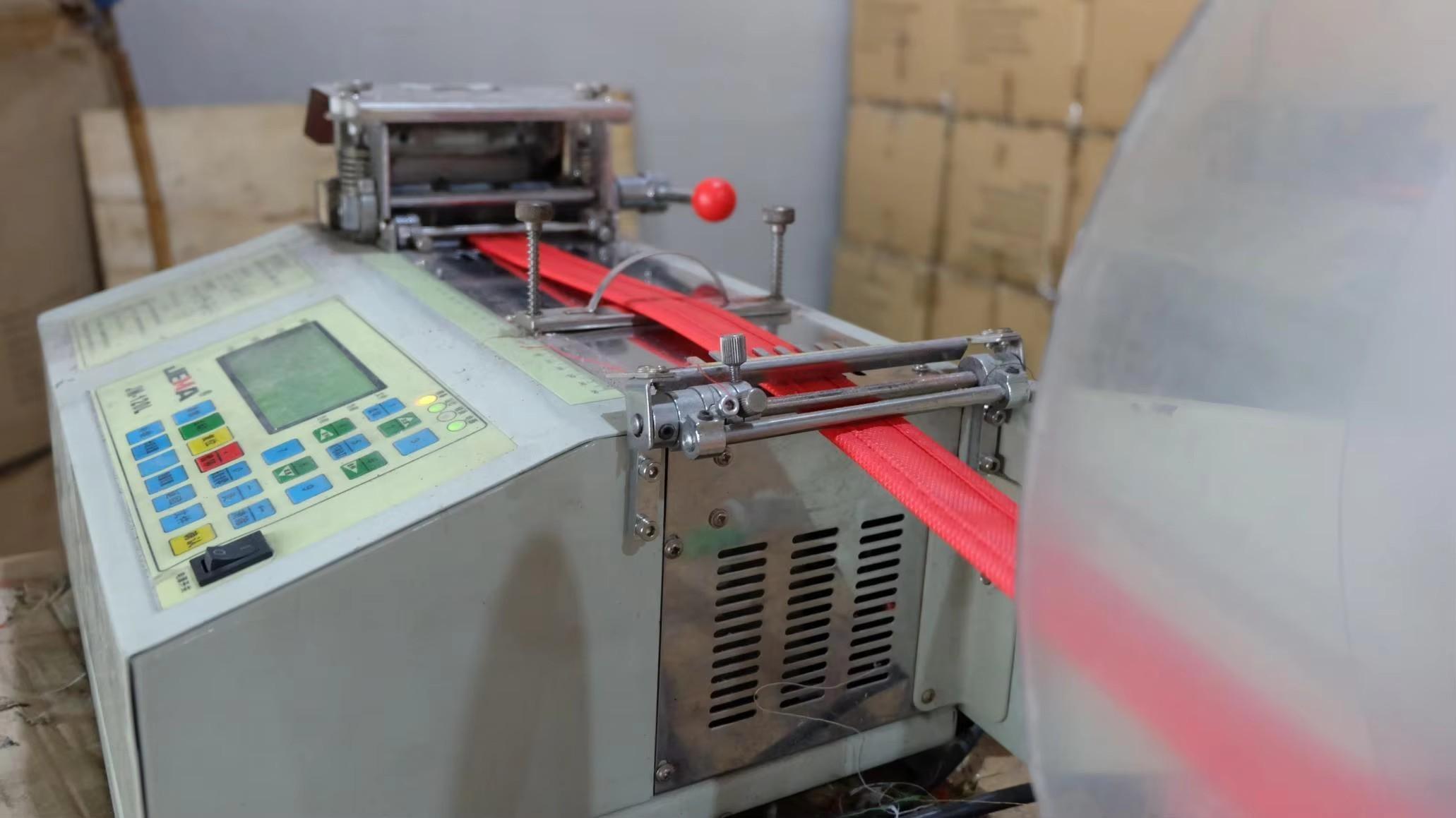
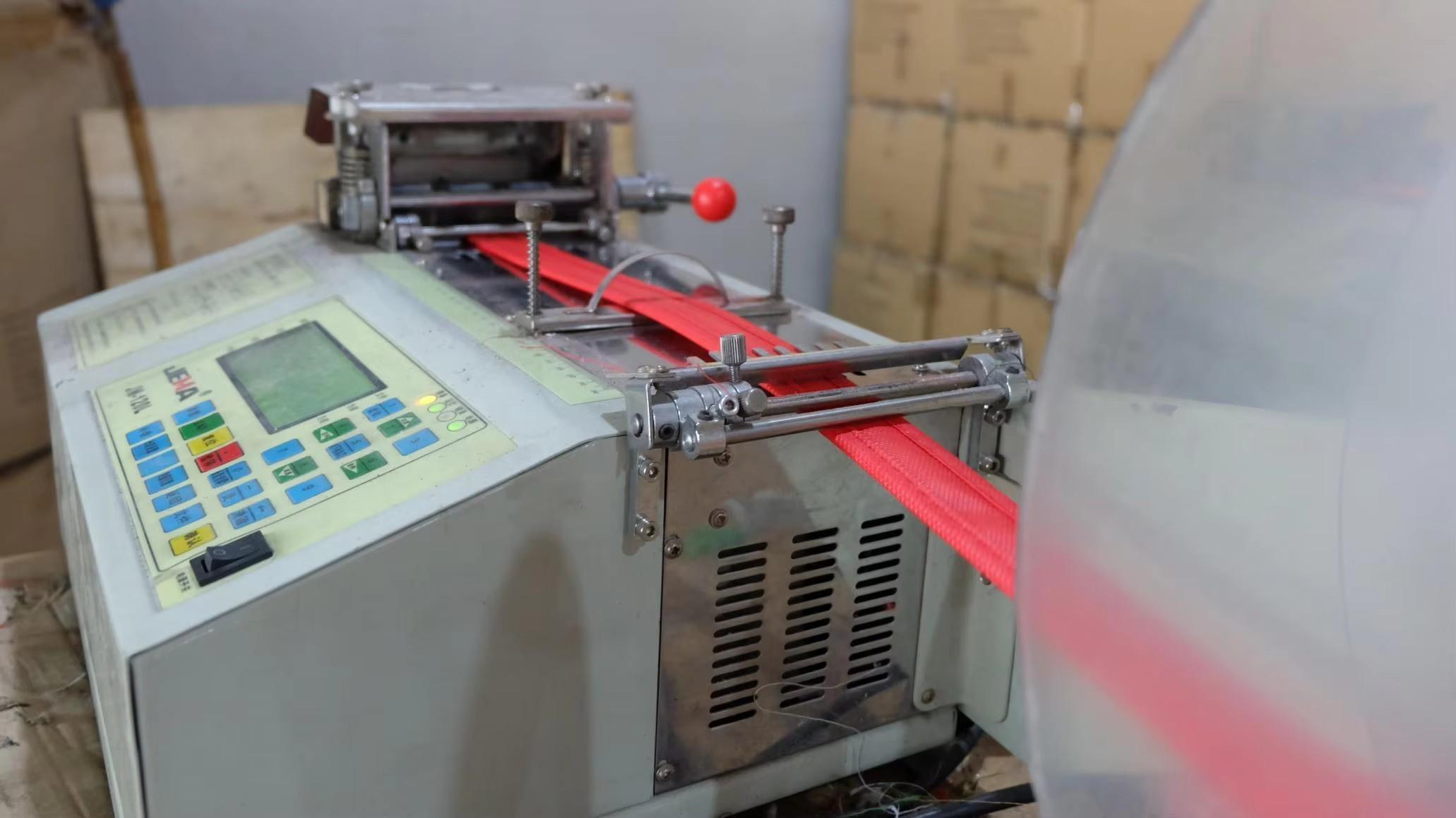
Tape cutting process for linen drawstrings
Tape Cutting Process
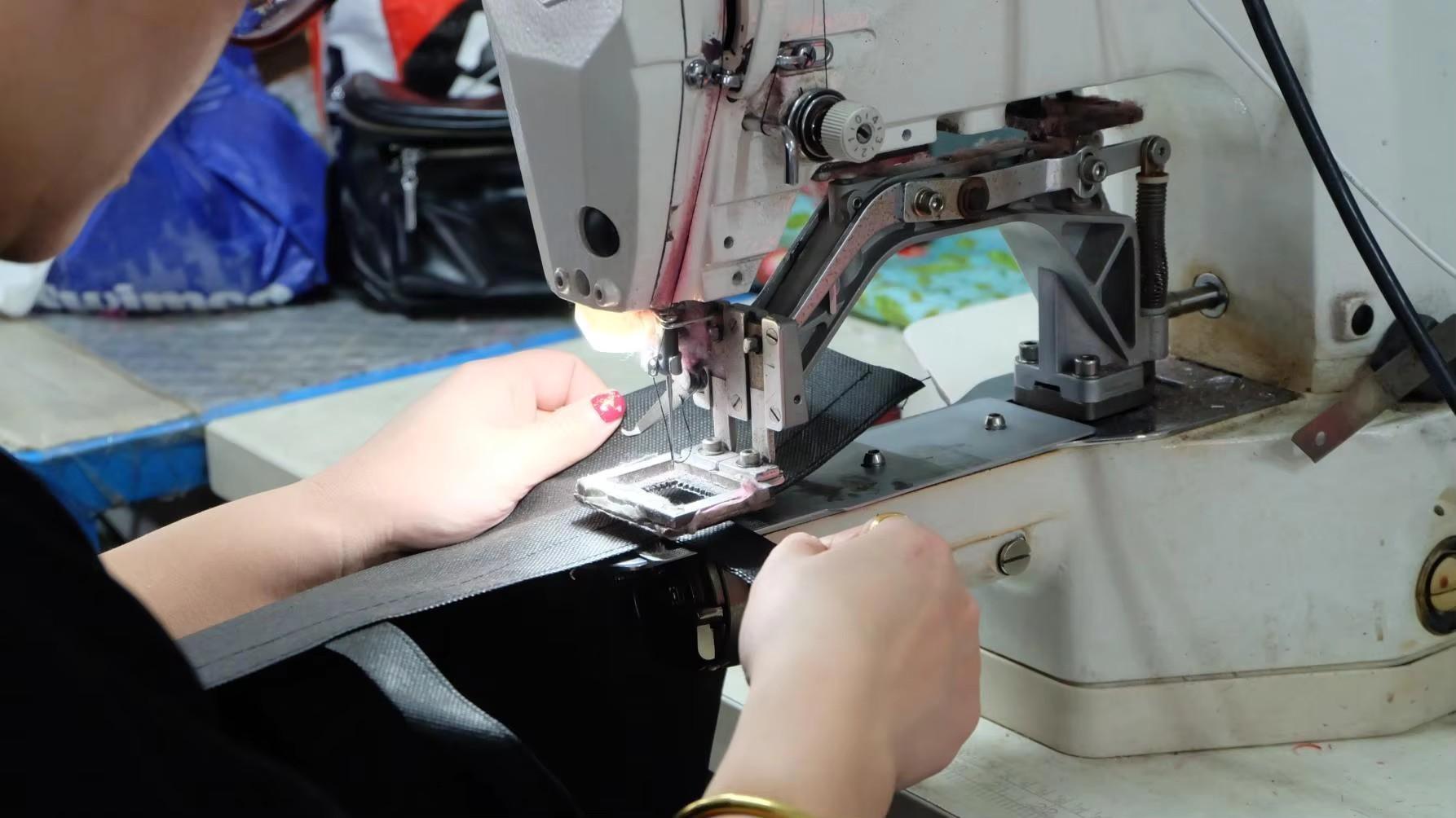
Sewing process 1
Sewing Process 1
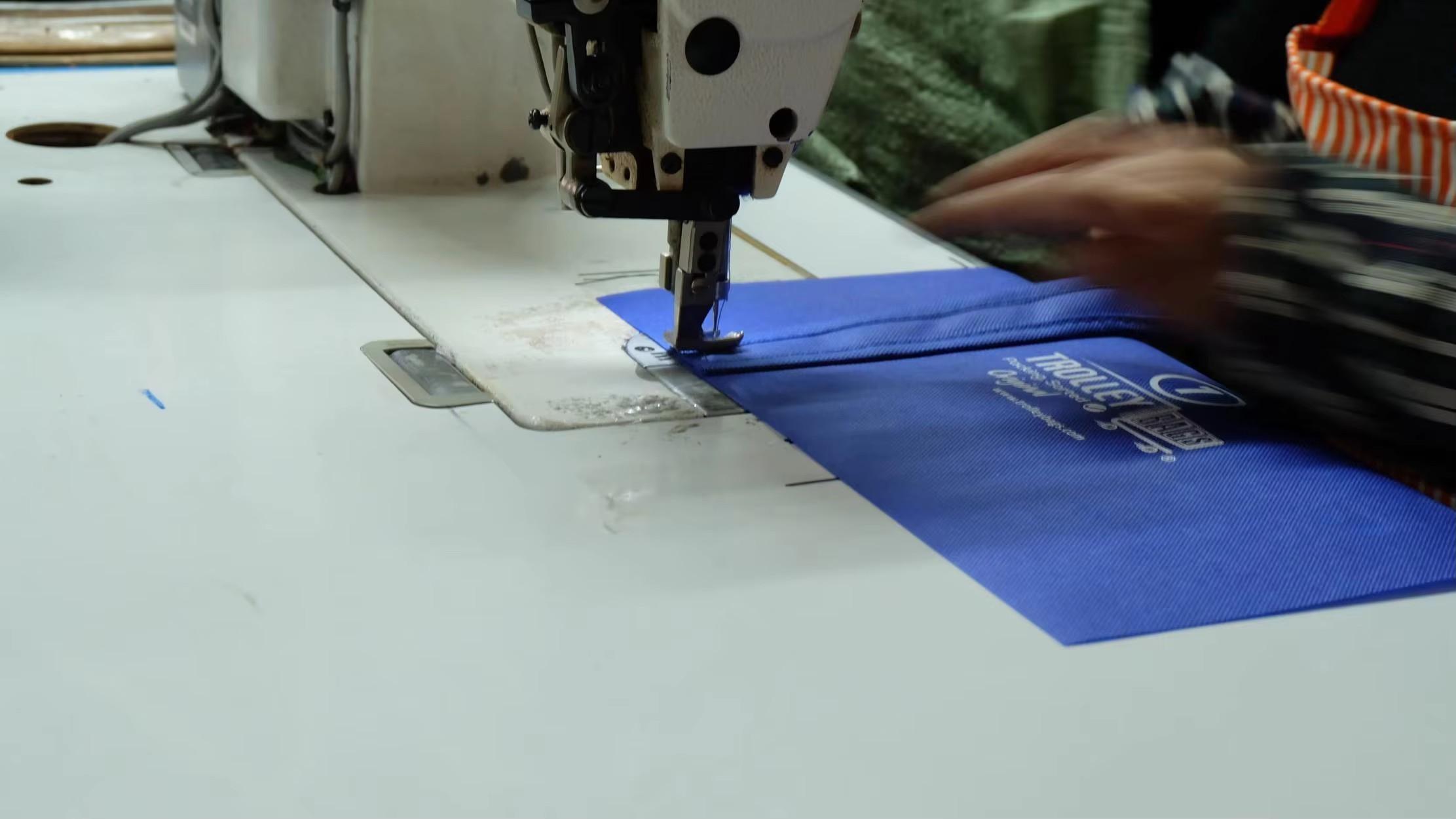
Sewing process 2
Sewing Process 2
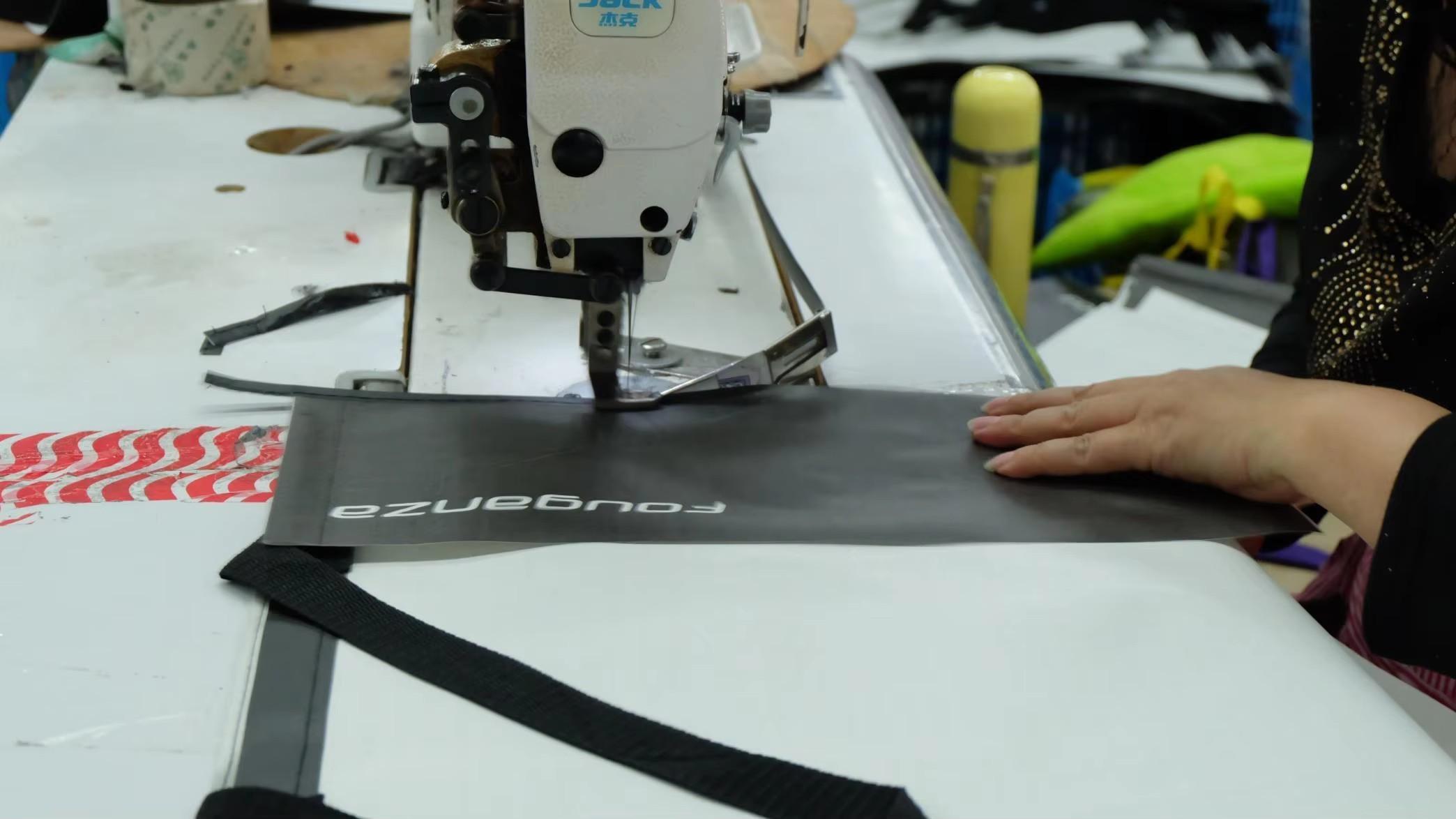
Sewing process 3
Sewing Process 3
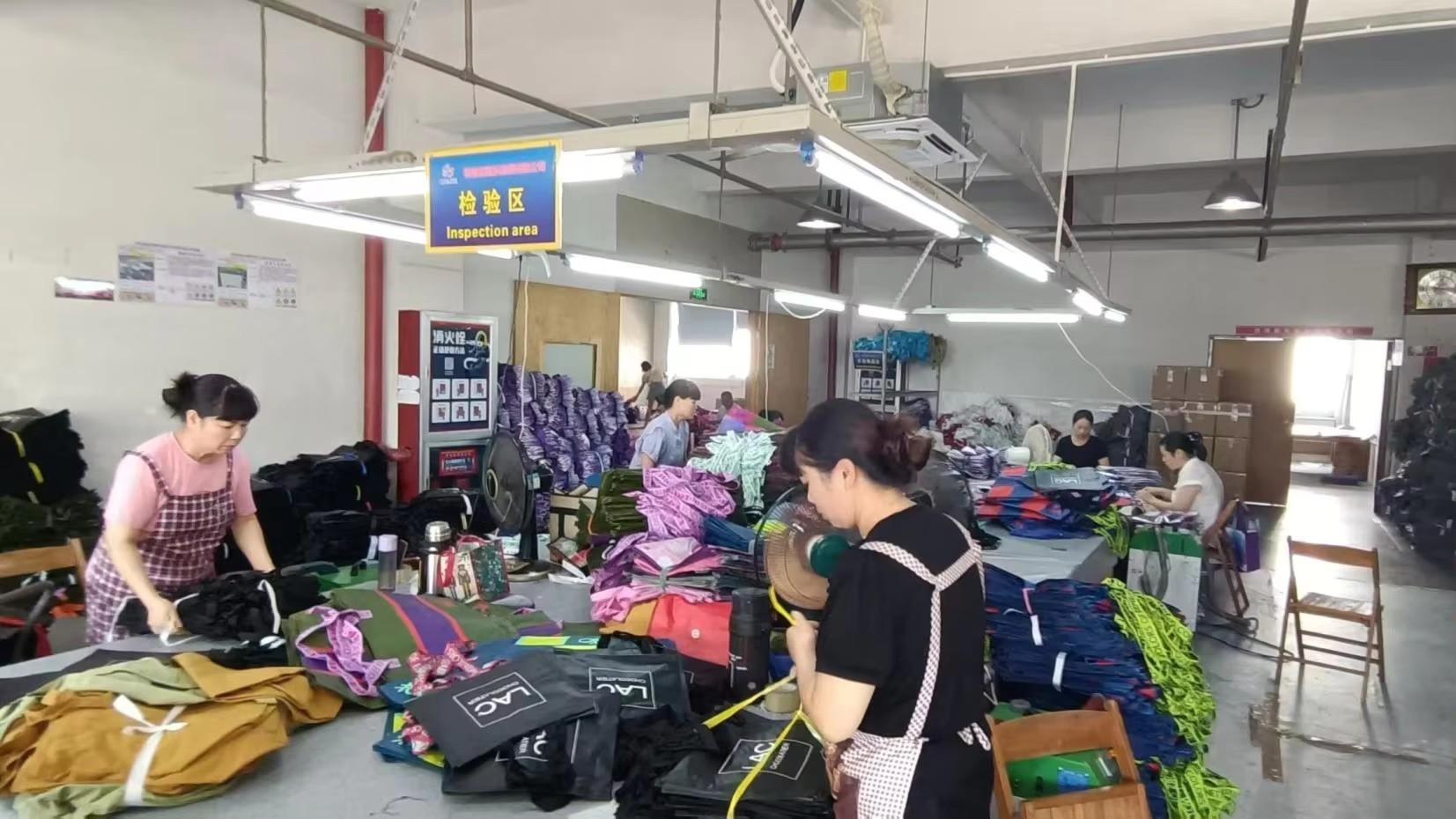
Inspection process for quality assurance
Inspection Process
Packaging process for export to Finland
Packaging Process
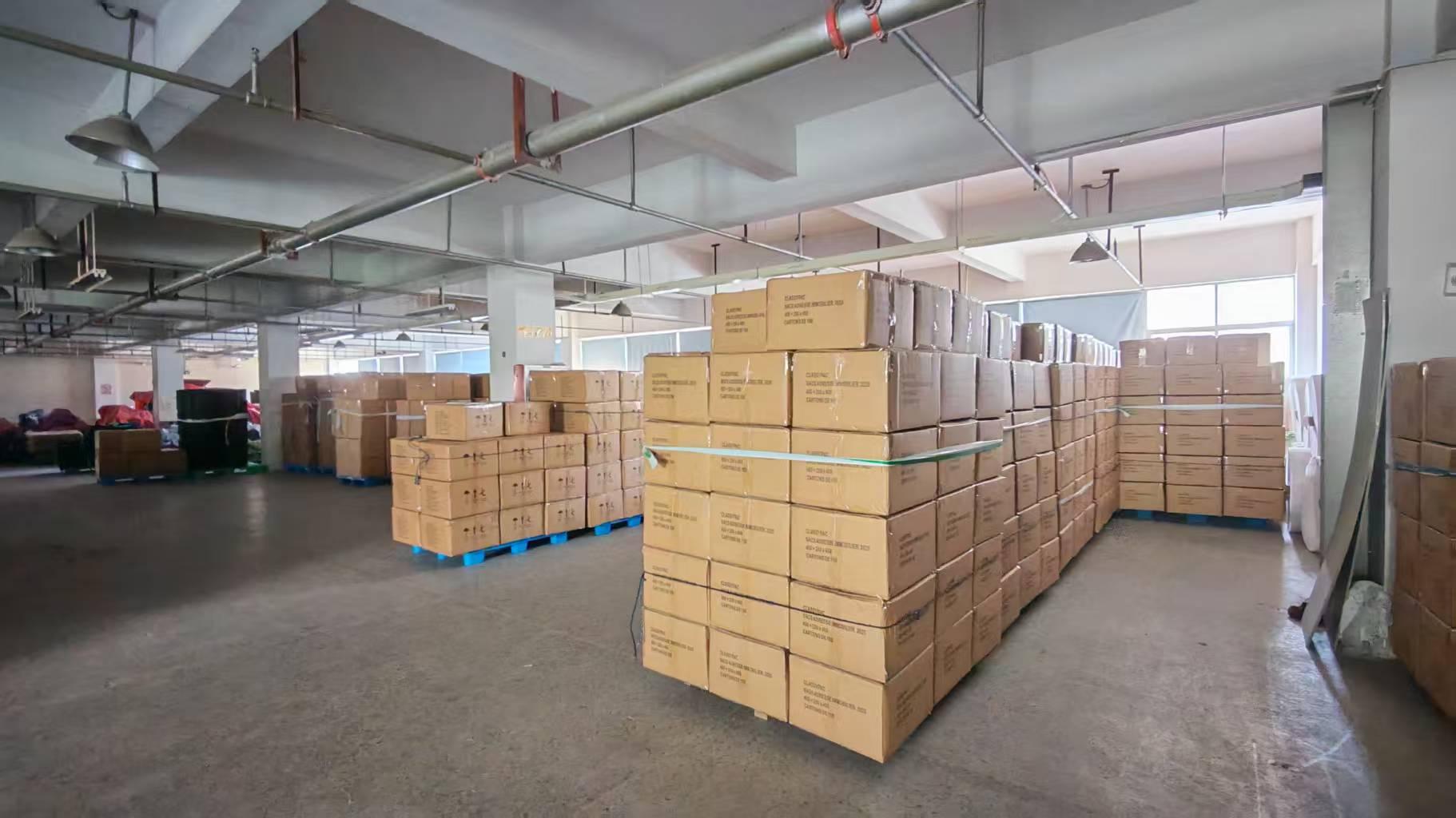
Warehouse storage facility
Warehouse
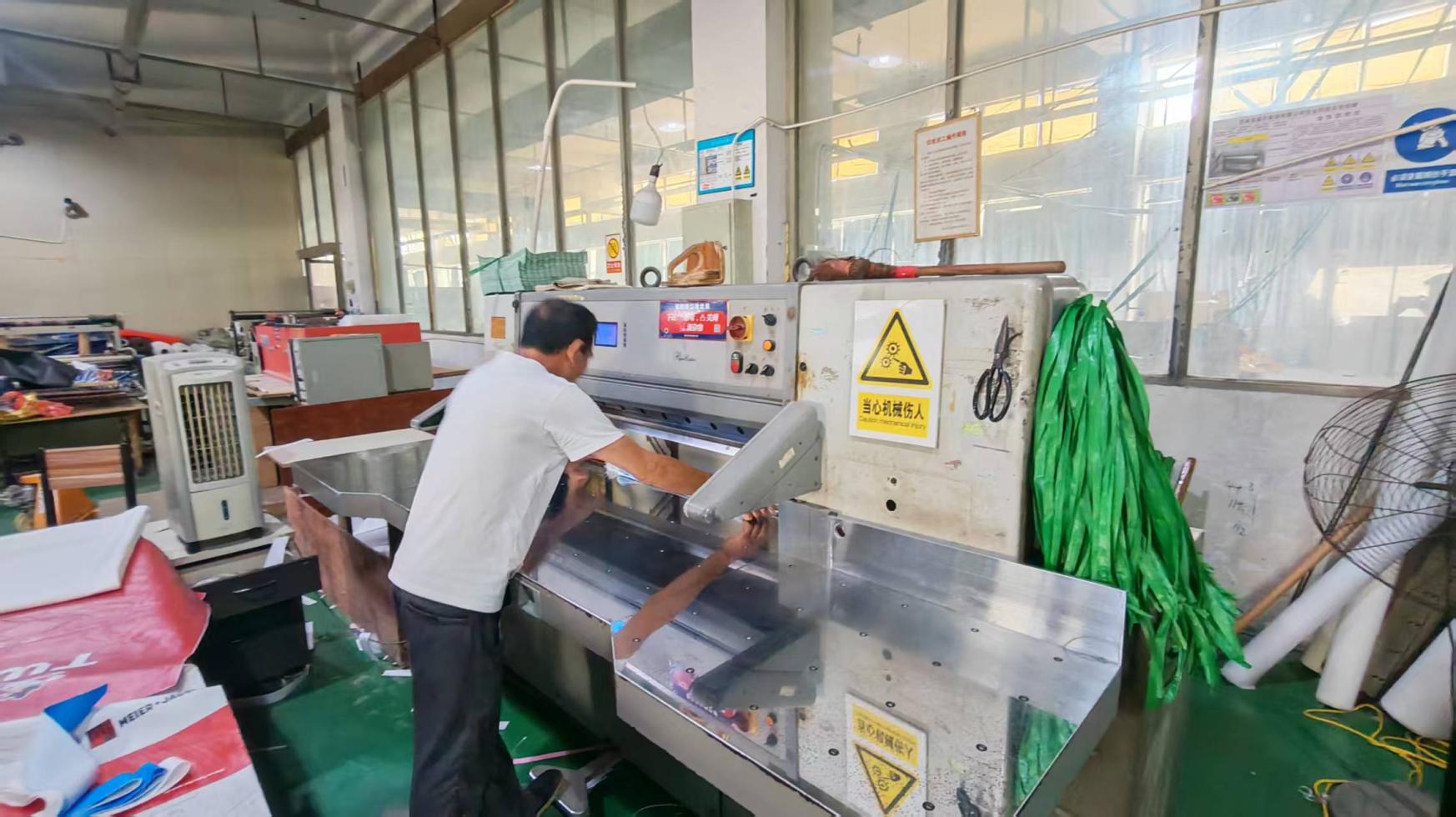
Slitter machine for textile rolls
Slitter Machine
Tape cutting machine operations
Tape Cutting Machine
Heavy duty sewing machine type 1
Sewing Machine 1
Heavy duty sewing machine type 2
Sewing Machine 2
Heavy duty sewing machine type 3
Sewing Machine 3
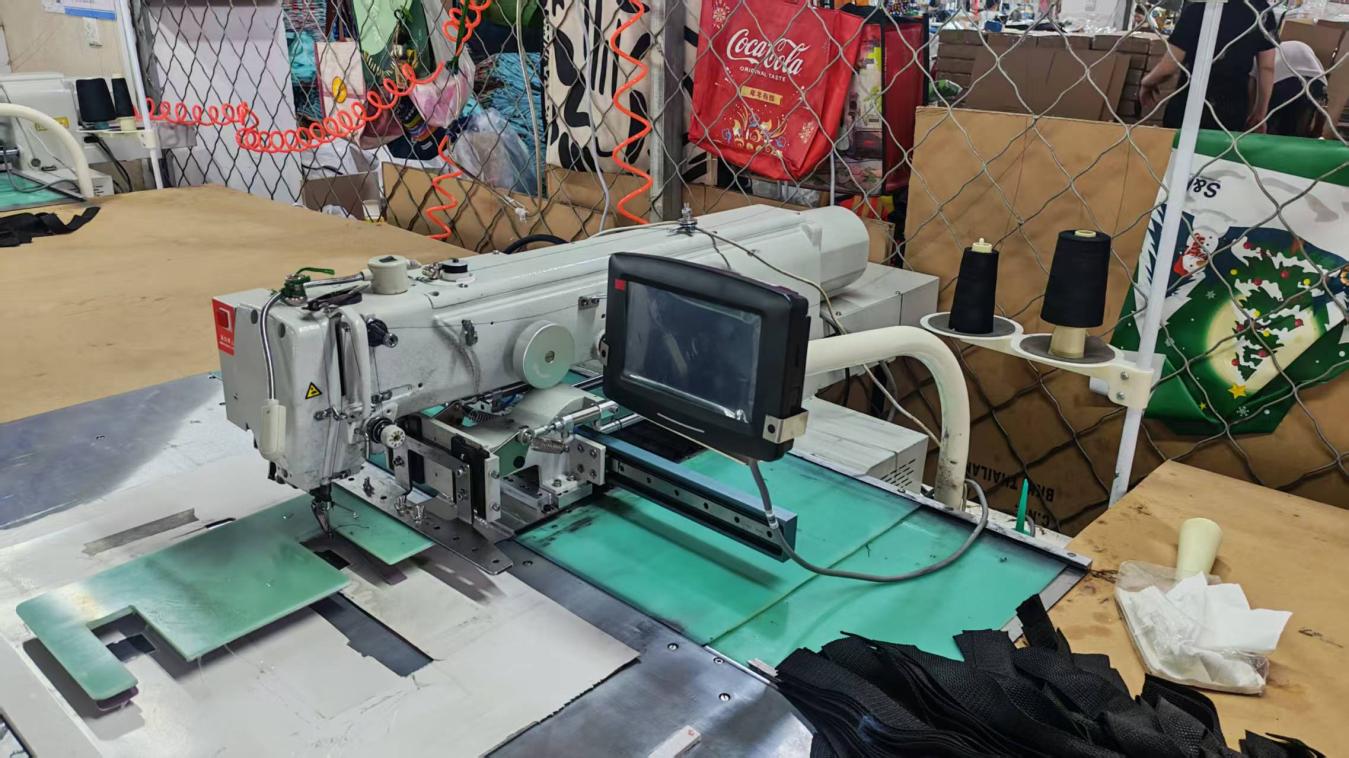
Automated pattern sewing machine
Pattern Sewing Machine

Precision Engineering Roadmap

Our manufacturing cycle uses specialized equipment to ensure consistent quality across production batches:

  • Laser-Guided Slitting & Sizing: Slitter and automated tape-cutting machines manage dimensions within a ±2mm tolerance, preventing fraying on raw flax edges.
  • High-Density Lockstitching: Industrial sewing units weave 9 to 11 stitches per inch using high-tensile cotton thread to prevent seam splitting under heavy load.
  • Integrated Inspection Protocol: Fabric batches undergo pre-cutting checks for weave irregularities, and finished bags pass through optical and physical stress tests before packaging.

Localized Case Scenarios for Finnish Industries

How local brands use our custom drawstring bags to build market trust and support sustainability.

Premium Nordic Food & Bakeries

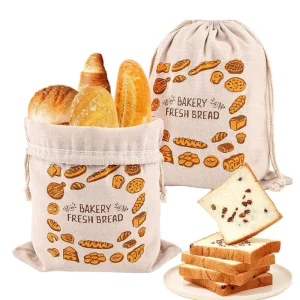
Artisanal bread makers in Turku and Helsinki use our unbleached linen-cotton blends to store sourdough and rye bread. The breathable knit naturally regulates humidity, preventing mold while keeping the crust crisp.

Sauna, Spa & Wellness Amenities

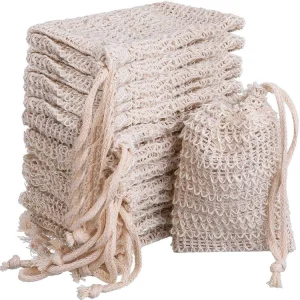
Finnish sauna culture requires materials that handle humidity. Our natural sisal-linen mesh drawstring bags are used to hold exfoliating soap bars and body brushes, drying quickly without rotting.

Helsinki Design & Retail Packaging

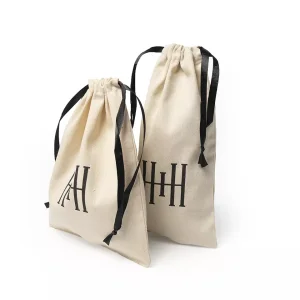
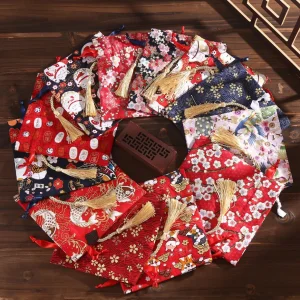
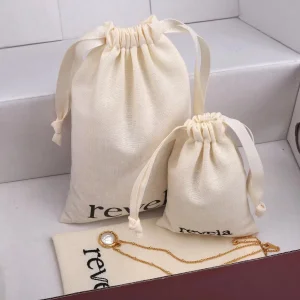
High-end Scandinavian jewelry and home goods brands package products in structured, double-drawn linen pouches with customized tassels or branded cotton ribbons to create a memorable unboxing experience.

B2B Customization Blueprint & Material Science

For large-scale procurement, we offer an array of customizable options designed to meet specific technical requirements:

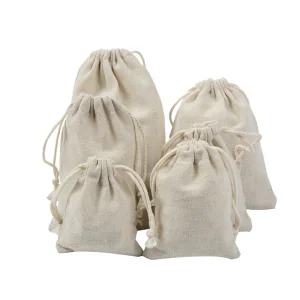
  • Grammage Selection: Fabric weight ranges from 120 GSM (light protective dust pouches) to 320 GSM (heavy-duty linen-canvas bags).
  • Fiber Compositions: We formulate custom blends, including 100% organic linen, linen-jute combinations for high durability, and cotton-linen blends for a softer surface finish.
  • Eco-Friendly Print Methods: We use water-based inks and zero-solvent printing to make sure the bags remain compostable while retaining print clarity.
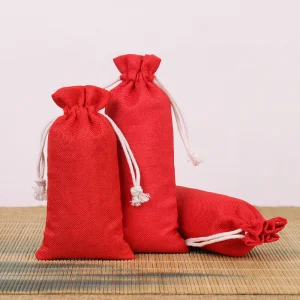
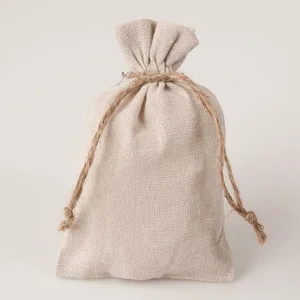
  • Closure Options: Drawstrings are available in braided flax cord, twisted jute, raw sisal fiber, flat cotton tape, or polyester-satin ribbons.

Audited Quality Management & Certifications

We work to align with European supply chain standards and requirements:

European REACH Regulation: Our chemical dyeing processes contain no restricted heavy metals or azo compounds.

Strict Dimensional Control: Finished batches are pre-washed to limit shrinkage to under 3% in hot water.

BSCI & ISO 9001 Audited: Our manufacturing facility is regularly audited for fair labor practices and consistent quality management.

18+
Years Industry Experience
99.4%
QC Inspection Pass Rate
150k+
Daily Output Capacity
< 3%
Average Fiber Shrinkage

Technical FAQ & Purchasing Guidelines

Answers to common technical, logistics, and compliance questions from Finnish importers and brand managers.

Q1: What are the typical lead times and customs clearances for imports to Finland?
Our standard production cycle for mid-to-high volume orders (10,000 to 50,000 units) is 15 to 20 business days. Transit to Finland takes approximately 30 to 35 days via sea cargo to the Port of Helsinki or Kotka, and 7 to 10 business days via air freight. We provide full customs documentation, export certificates, HS code classifications, and country-of-origin documentation to streamline EU import clearances.
Q2: Are these bags food-contact safe under European and Finnish food regulations?
Yes. Our unbleached, raw organic cotton-linen and pure linen bags are free from formaldehyde, optical brighteners, and toxic chemical dyes. They comply with EU Regulation (EC) No 1935/2004 for materials intended to come into contact with food, making them suitable for bakeries, tea merchants, and organic dry goods packaging.
Q3: What are the minimum order quantities (MOQs) for customized logos and sizes?
Our standard MOQ for custom sizes, customized material weaves, or custom screen printing is 1,000 units per design. For standard stock sizes with simple logo prints, we can accommodate smaller pilot runs starting at 500 units to support product trials.
Q4: How does linen packaging perform in cold and humid Nordic climates?
Linen is highly suited for cold, damp environments because of its quick-drying properties and natural resistance to mold and mildew. Unlike synthetic materials that trap condensation, flax fibers absorb up to 20% of their weight in moisture before feeling damp, releasing it into the air to prevent damage to stored goods.
Q5: What printing methods do you recommend for detailed corporate branding?
For bold, high-contrast logos, we recommend silk-screen printing with water-based inks, which offer high durability and wash resistance. For complex designs or multi-colored brand patterns, we use digital heat-transfer or heat-sublimation methods, ensuring clear detail and proper alignment even on textured linen fabrics.

Explore Our Full Range of Natural Fiber Packaging

Durable, customizable, and tailored for B2B brands looking to improve their circular economy footprint.

Accelerate Your Sustainable Packaging Transition

Request customized samples, access our material catalogs, or consult with our packaging engineers to design custom bags that align with Finland's environmental guidelines.

Send Inquiry Now