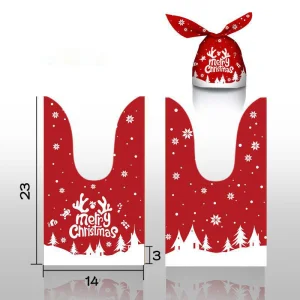
Engineered for corporate sustainability initiatives, regional winemakers, and custom promotional deployments within the San Francisco and greater Bay Area market.
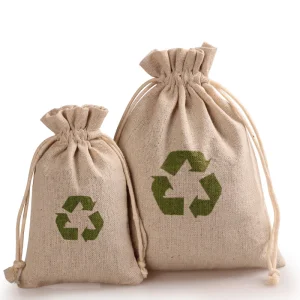
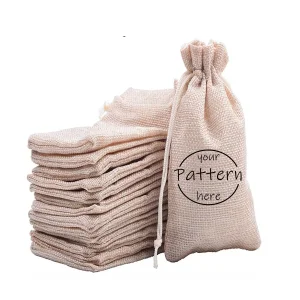

Analyzing local municipal mandates, consumer sentiment trends, and retail evolution within the Bay Area.
The San Francisco Bay Area stands at the forefront of the global circular economy transition. Driven by the City and County of San Francisco's aggressive target of zero waste to landfills, local enterprises are forced to re-evaluate their entire packaging lifecycle. Traditional high-density polyethylene (HDPE) bags and even conventional single-use kraft paper options (which still carry a significant water footprint during manufacturing) are being replaced by bio-based, compostable, and reusable textile packaging solutions.
In San Francisco’s high-end retail corridors—spanning Union Square, Fillmore Street, and the Mission District—brands are no longer treating packaging as a mere vessel. Instead, it serves as a tactile touchpoint that conveys corporate social responsibility (CSR) values. This is where Premium Jute Drawstring Bags play a critical role. Offering natural textures, high mechanical load limits, and 100% biodegradability, jute packaging fits seamlessly into the branding guidelines of local organic food vendors, specialty coffee roasters, artisanal wellness lines, and luxury boutiques.
San Francisco’s Plastic Pollution Prevention Ordinance bans plastic checkout bags and places high charges on single-use alternatives. Our jute drawstring bags offer a legal, heavy-duty alternative that complies with the most demanding municipal environmental parameters.
In a saturated digital-first economy, consumers in Silicon Valley and San Francisco actively seek out brands demonstrating genuine environmental stewardship. High-quality jute bags serve as an active billboard for your brand's commitment to sustainability.
A closer look at the botanical structure, tensile properties, and performance benefits of Corchorus plant fibers.
Jute fibers are comprised of cellulose and lignin. The natural arrangement gives the fiber low elasticity but exceptionally high tensile strength. This ensures that a jute drawstring bag can carry weights exceeding 15kg without structural failure, unlike light-gauge cotton or paper.
One hectare of jute plants consumes approximately 15 metric tons of CO2 and releases 11 metric tons of oxygen during its short 120-day cultivation cycle. This carbon sequestration exceeds most hardwood forests, rendering jute cultivation carbon-negative.
Due to the porous structure of bast fibers, jute maintains natural breathability. This makes it perfect for agricultural storage—such as green coffee beans, wholesale hops, or premium wine bottles—as it prevents humidity buildup and mold growth.
From an engineering perspective, jute is an eco-efficient alternative to synthetic polymers like polypropylene (PP) and polyester (PET). When a synthetic bag is discarded, it fractures into microplastics that persist in the soil and marine systems for centuries. In contrast, our raw jute bags undergo complete degradation within 2 to 3 months when buried in standard compost setups, returning rich organic nutrients to the soil without leaving toxic chemical residues behind.
Combining world-class production capacity, rigorous OEM/ODM flows, and international logistics integration.
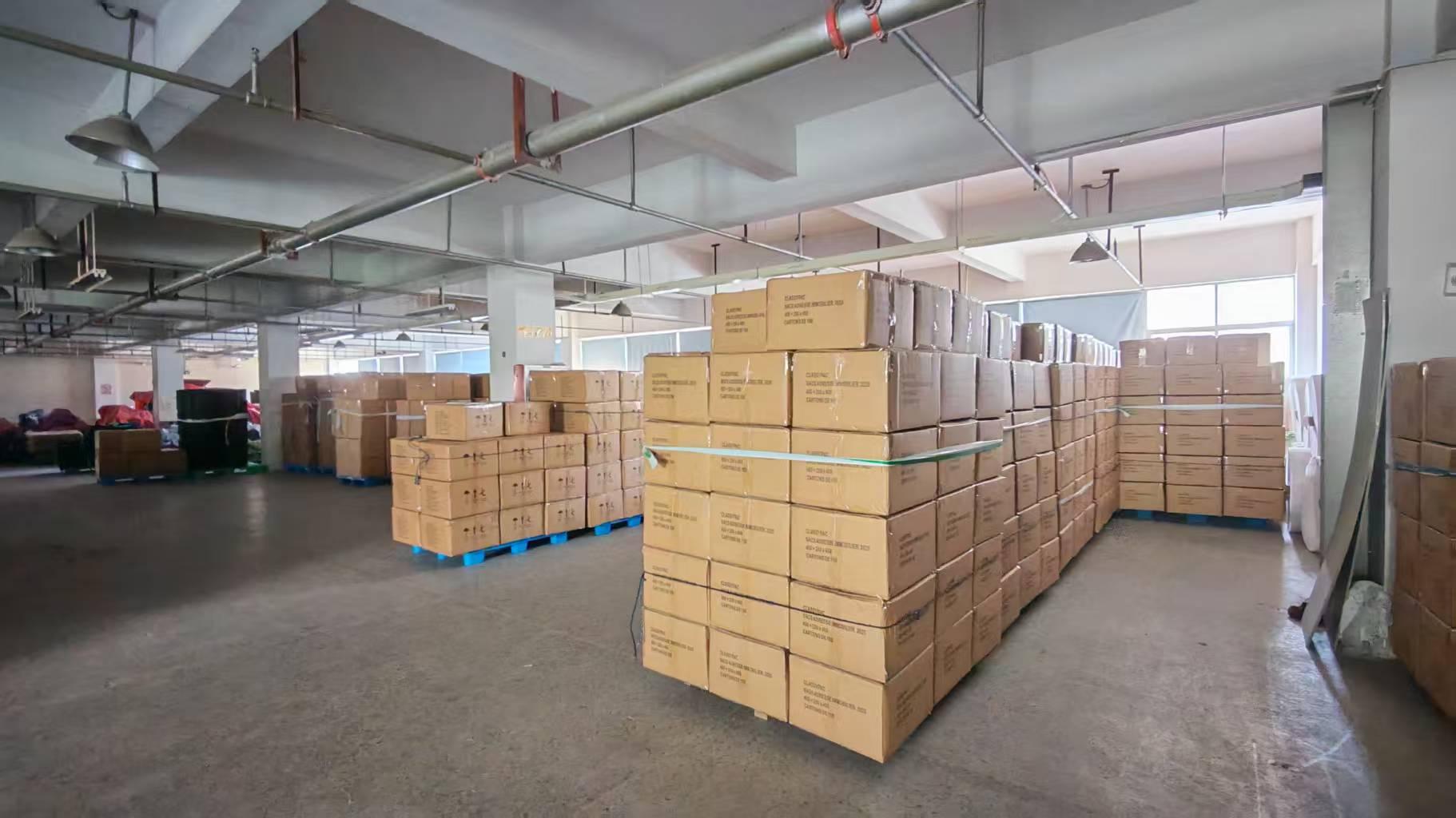
Founded in 2006, Shenzhen LAHD Bag Co., Ltd. has evolved from a local manufacturing house into a globally recognized supplier of eco-friendly packaging systems. By leveraging Shenzhen's advanced technology, logistical infrastructure, and deep integration with global shipping hubs, we provide San Francisco businesses with reliable high-volume supply runs, customized design processes, and efficient customs clearance.
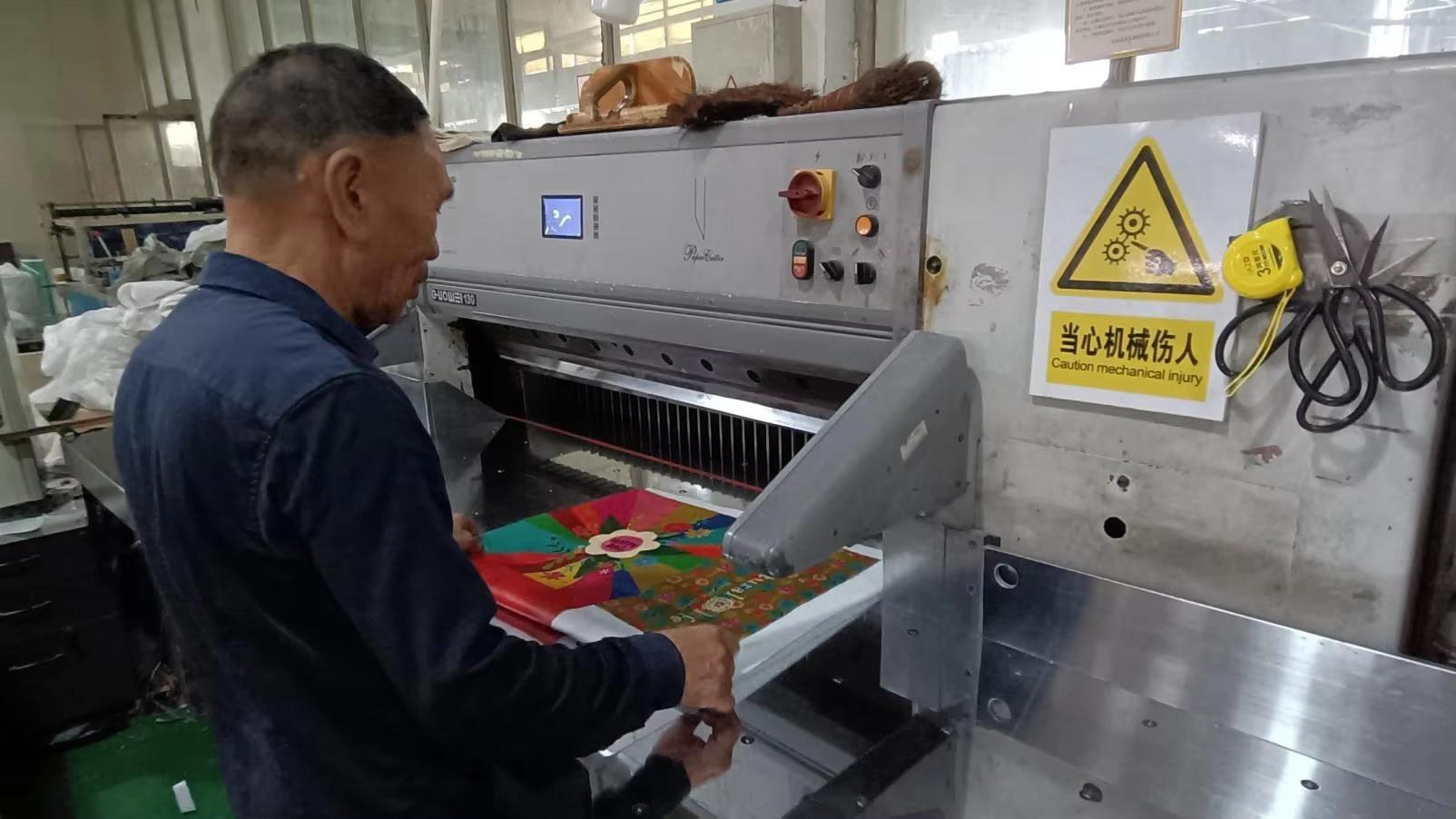
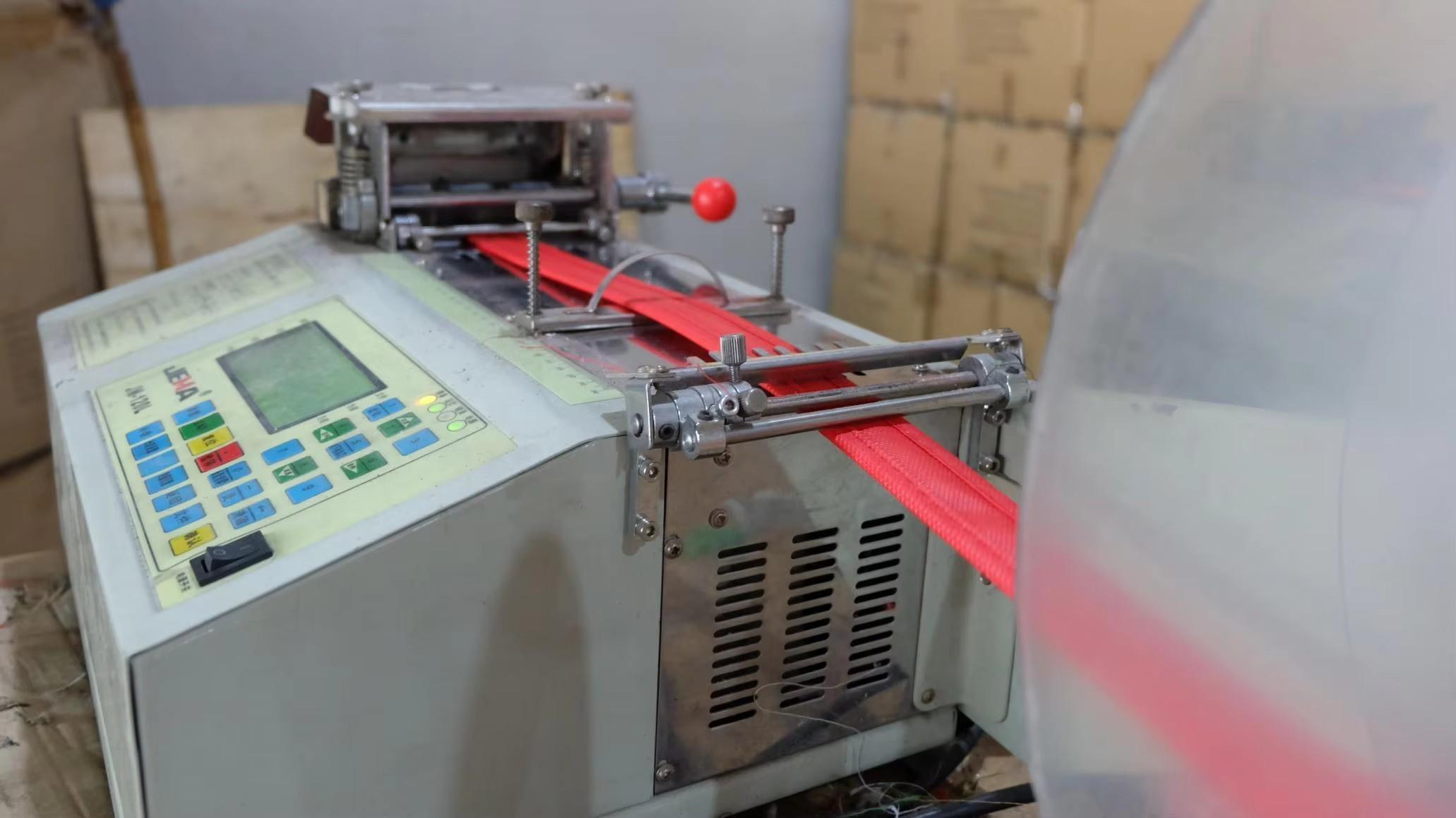
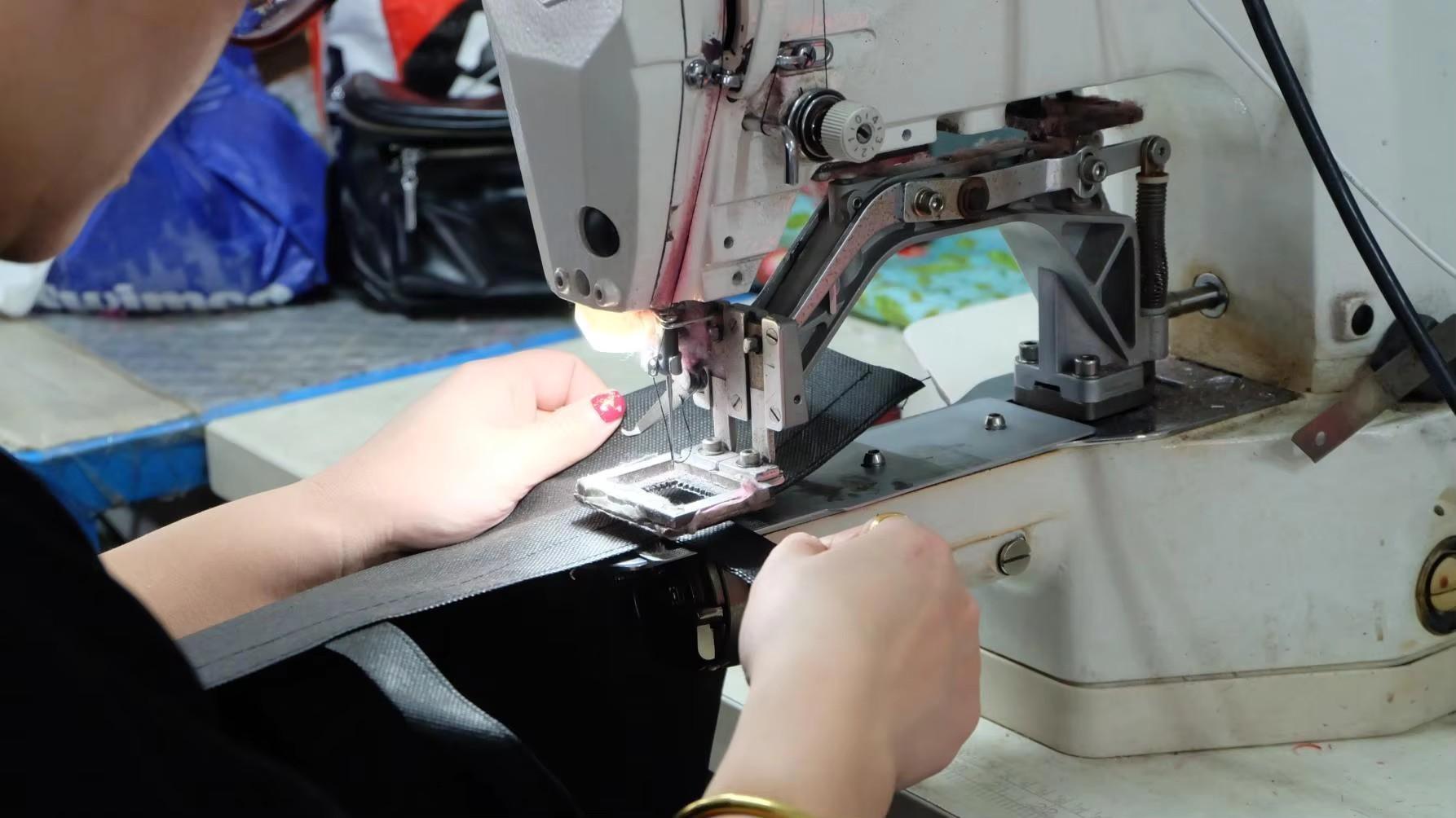
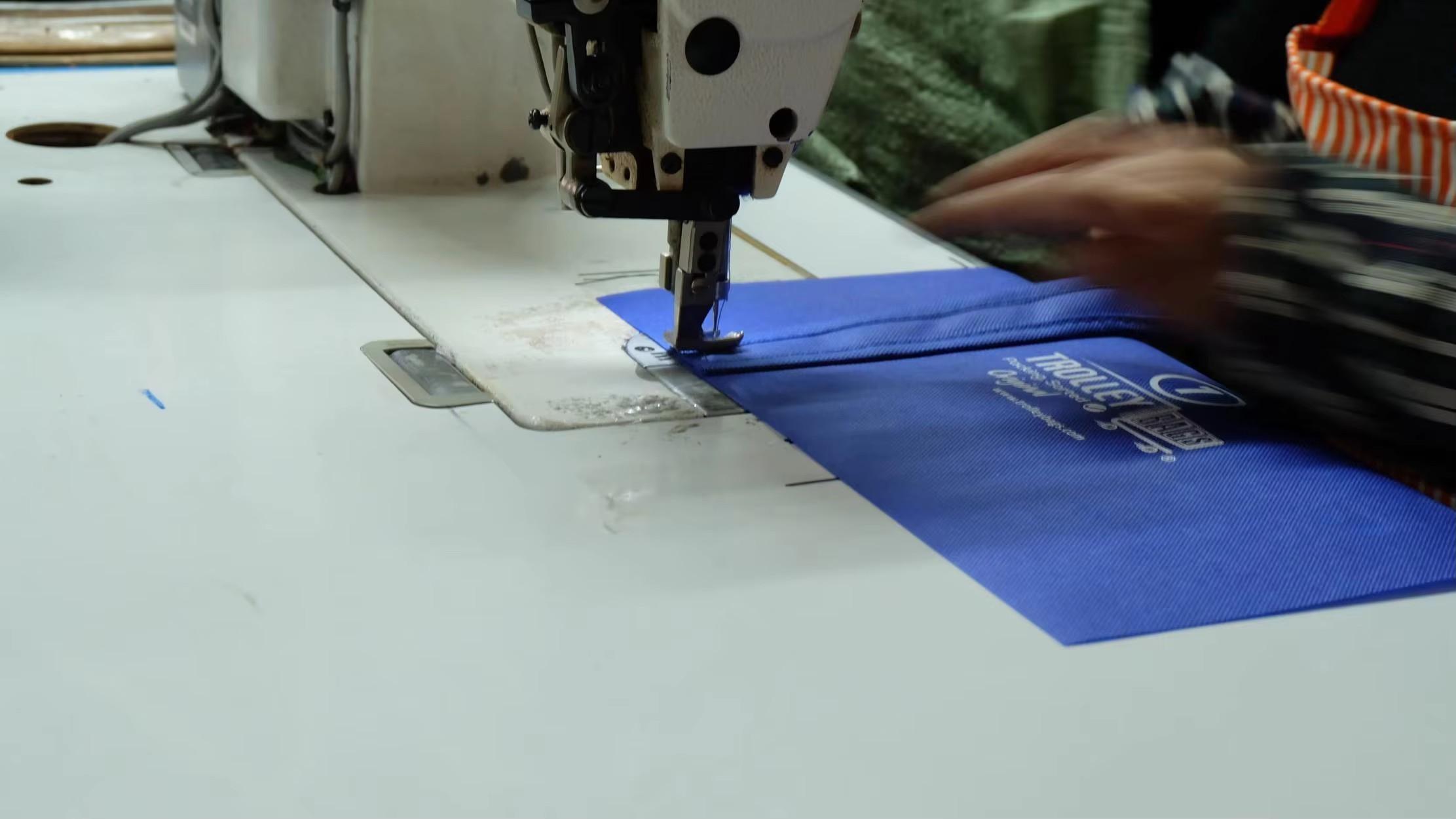
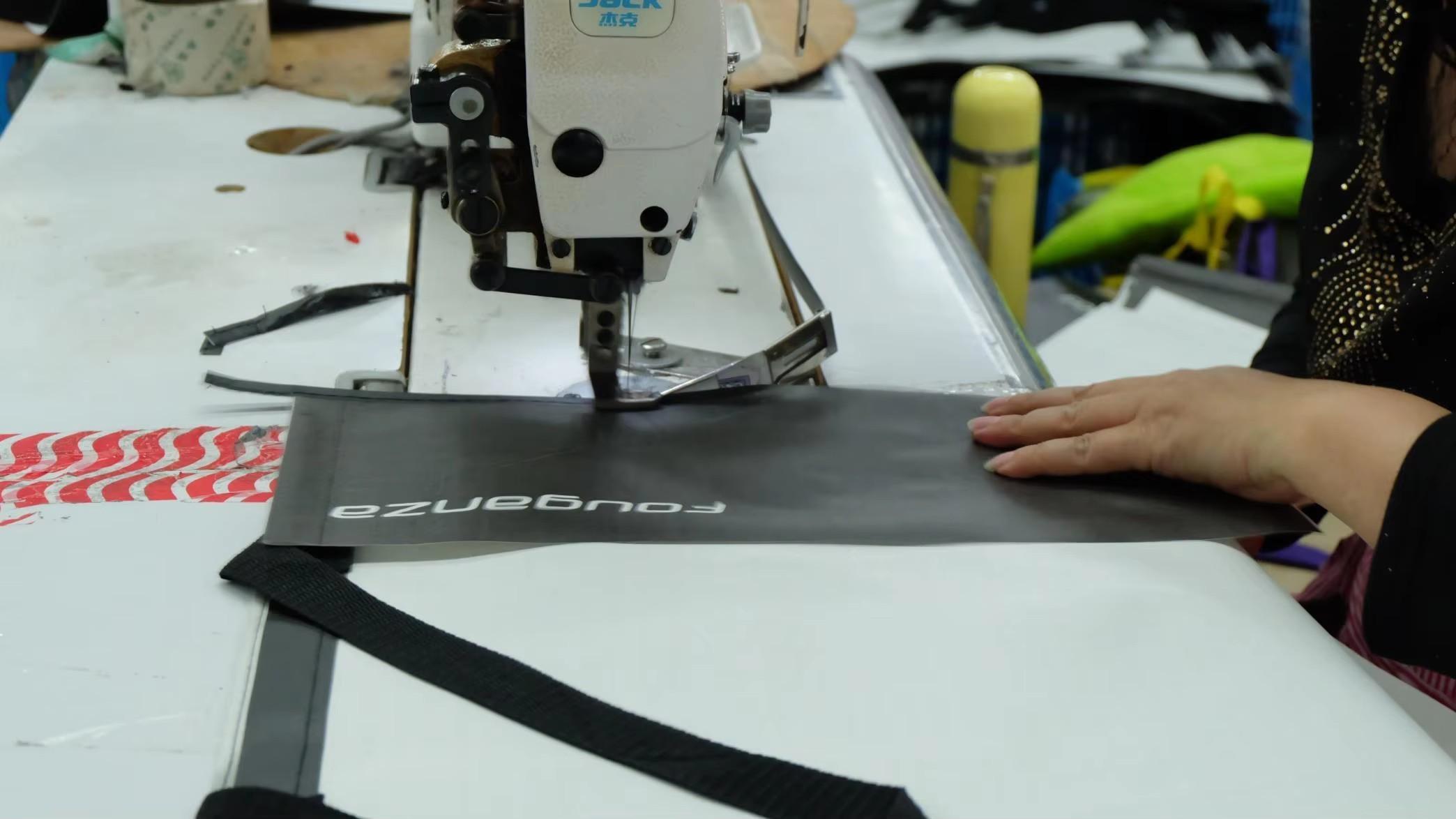
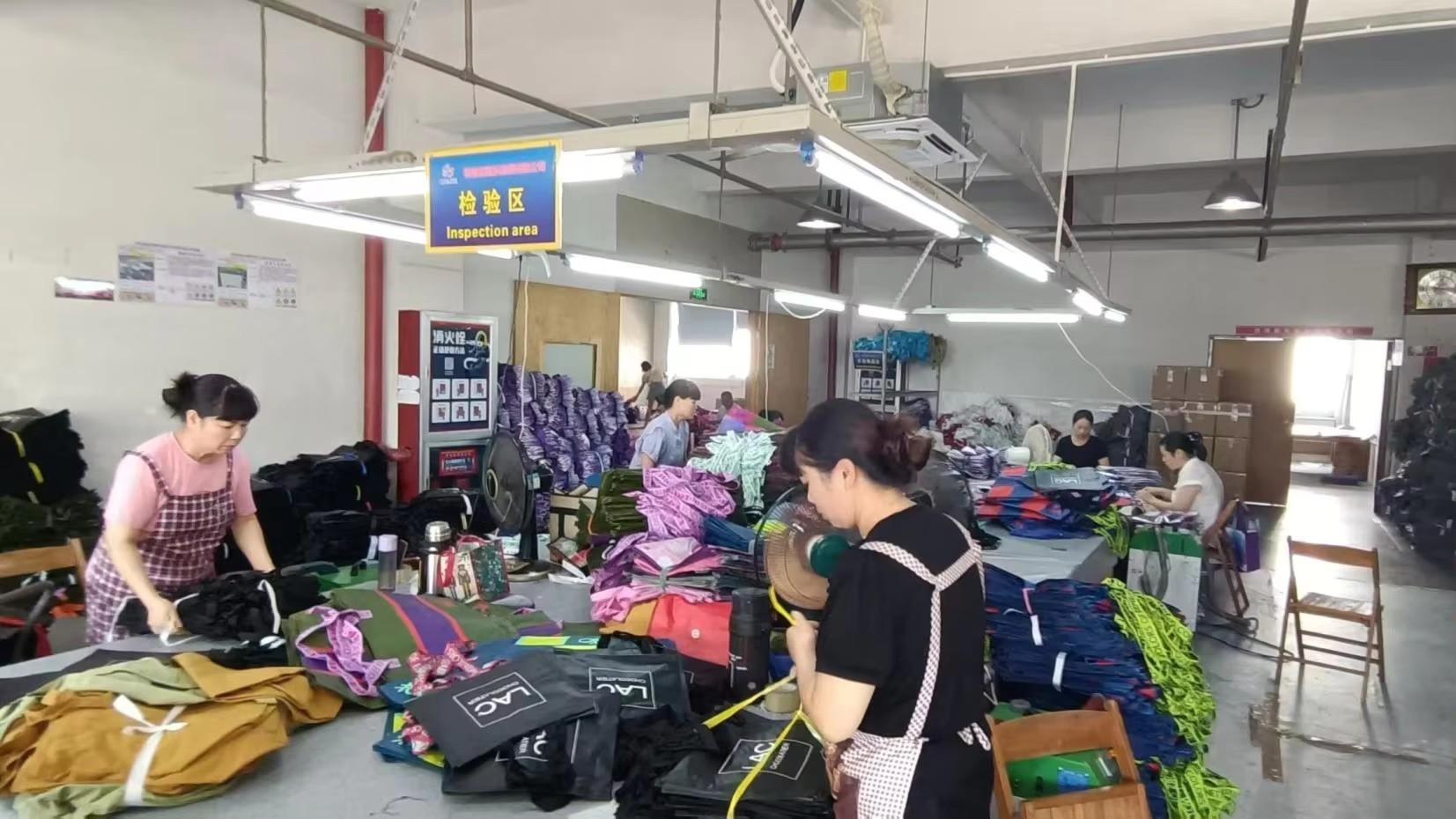
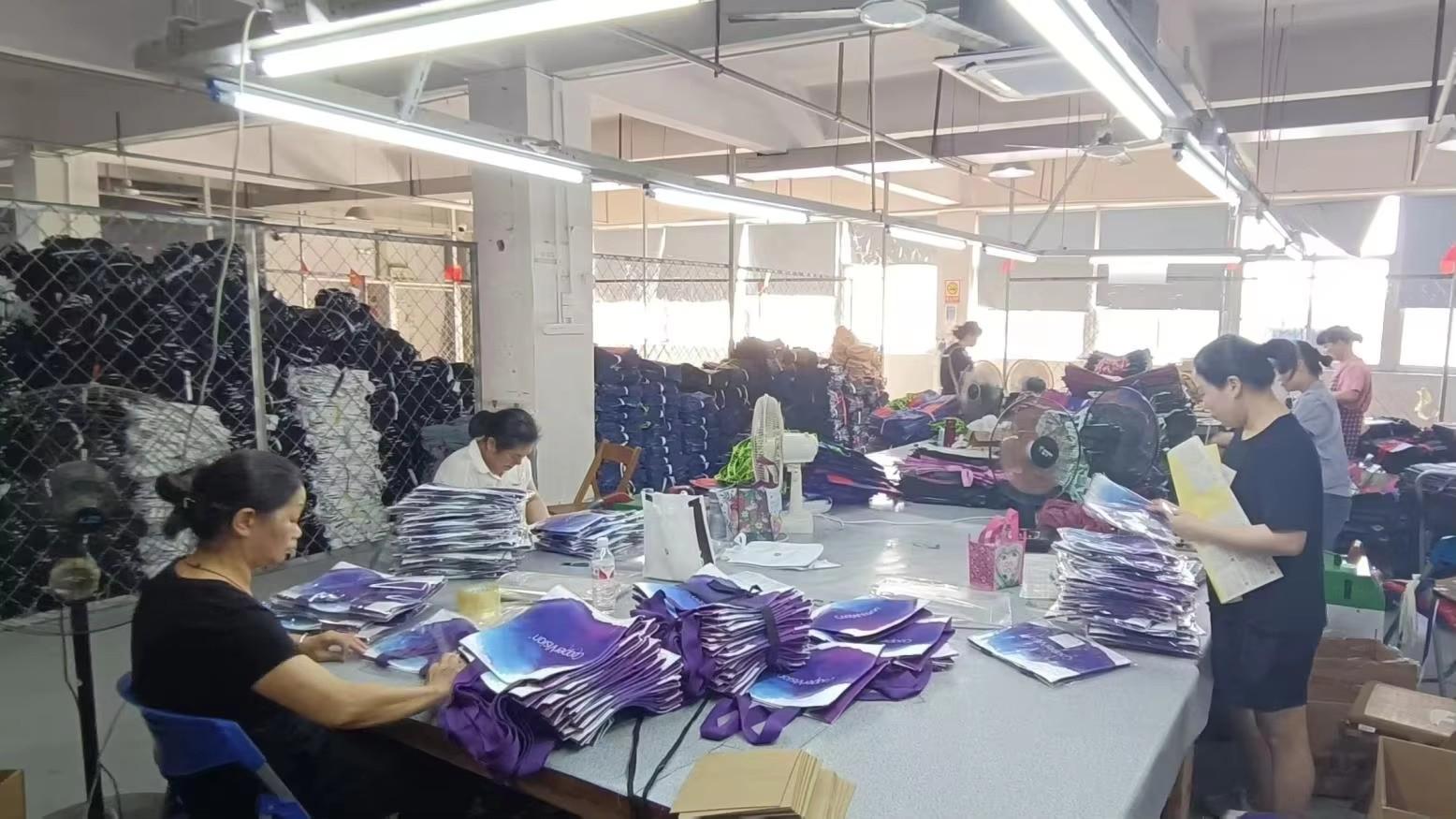
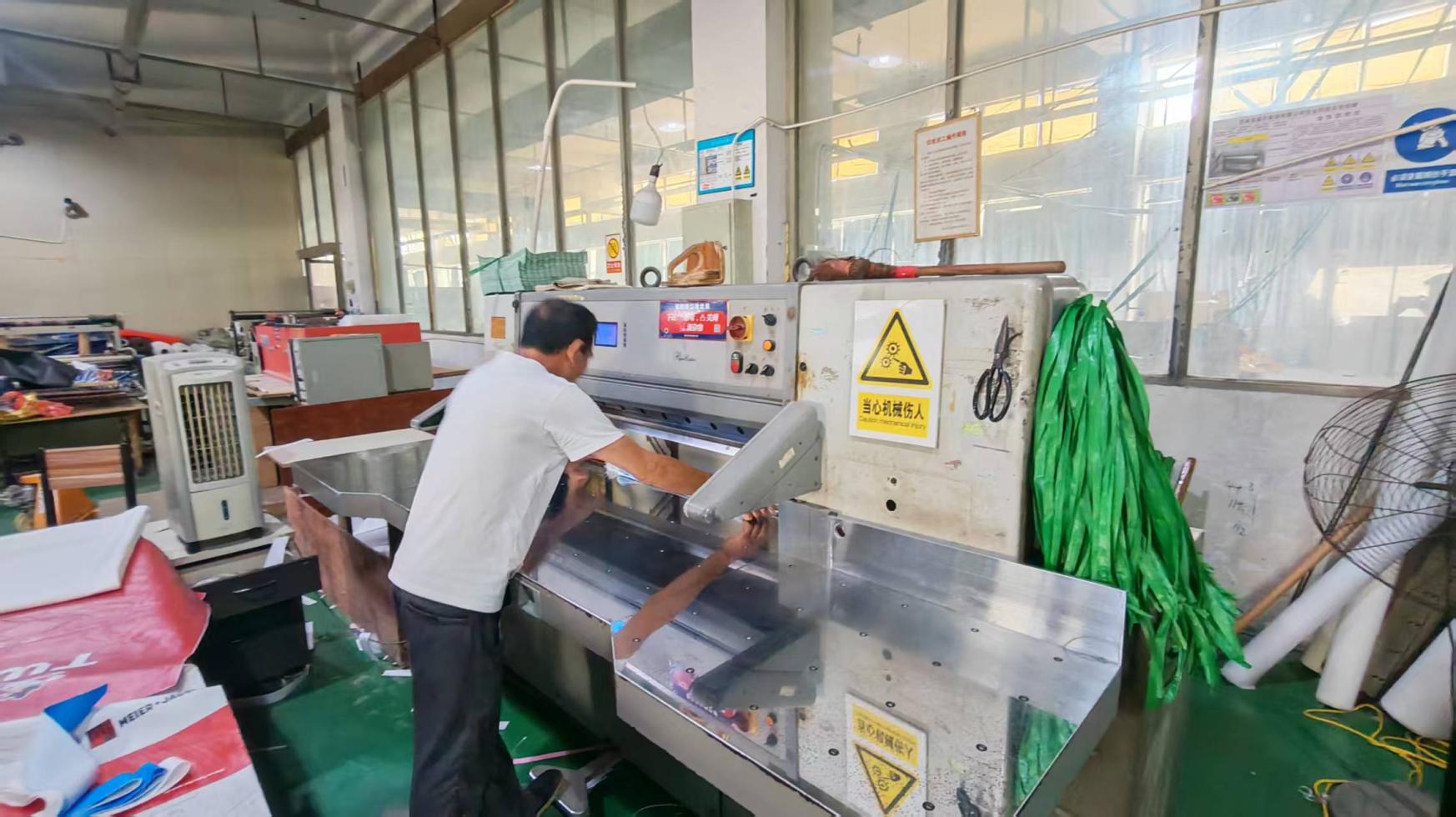
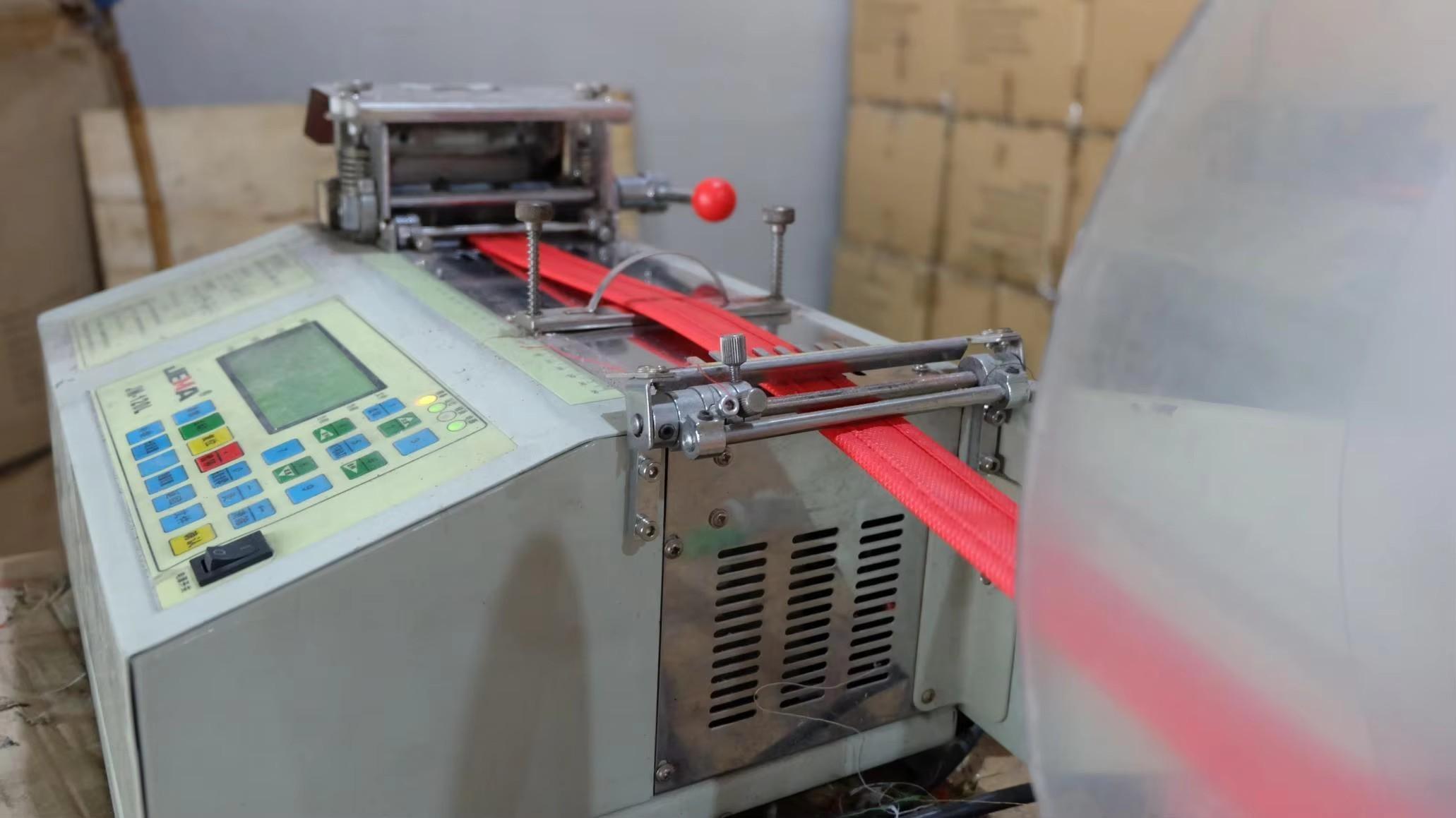
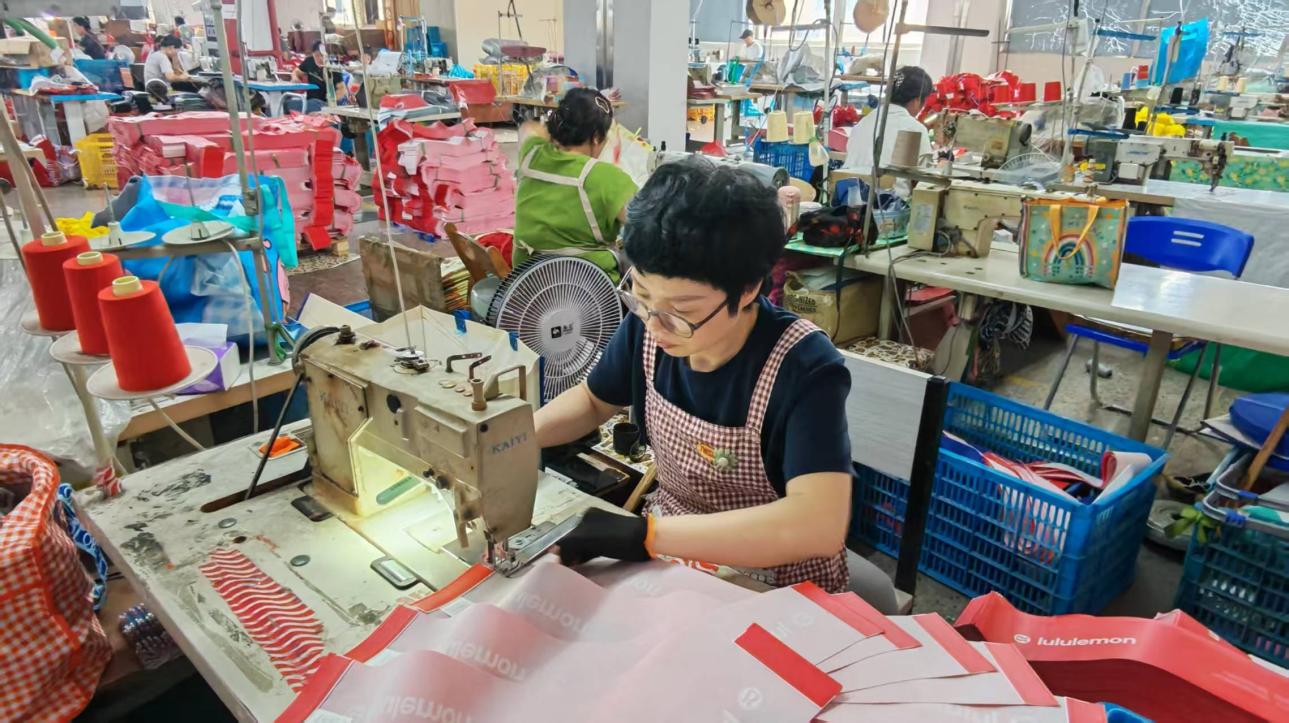
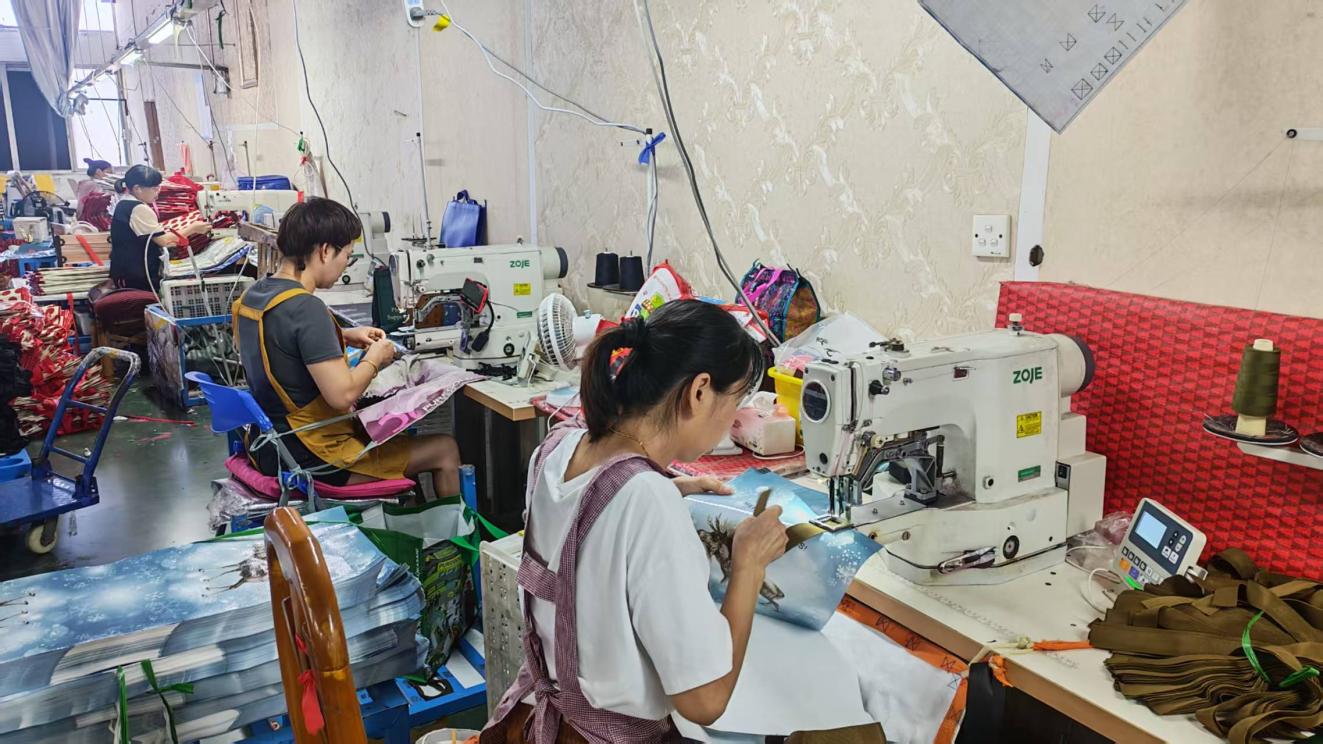
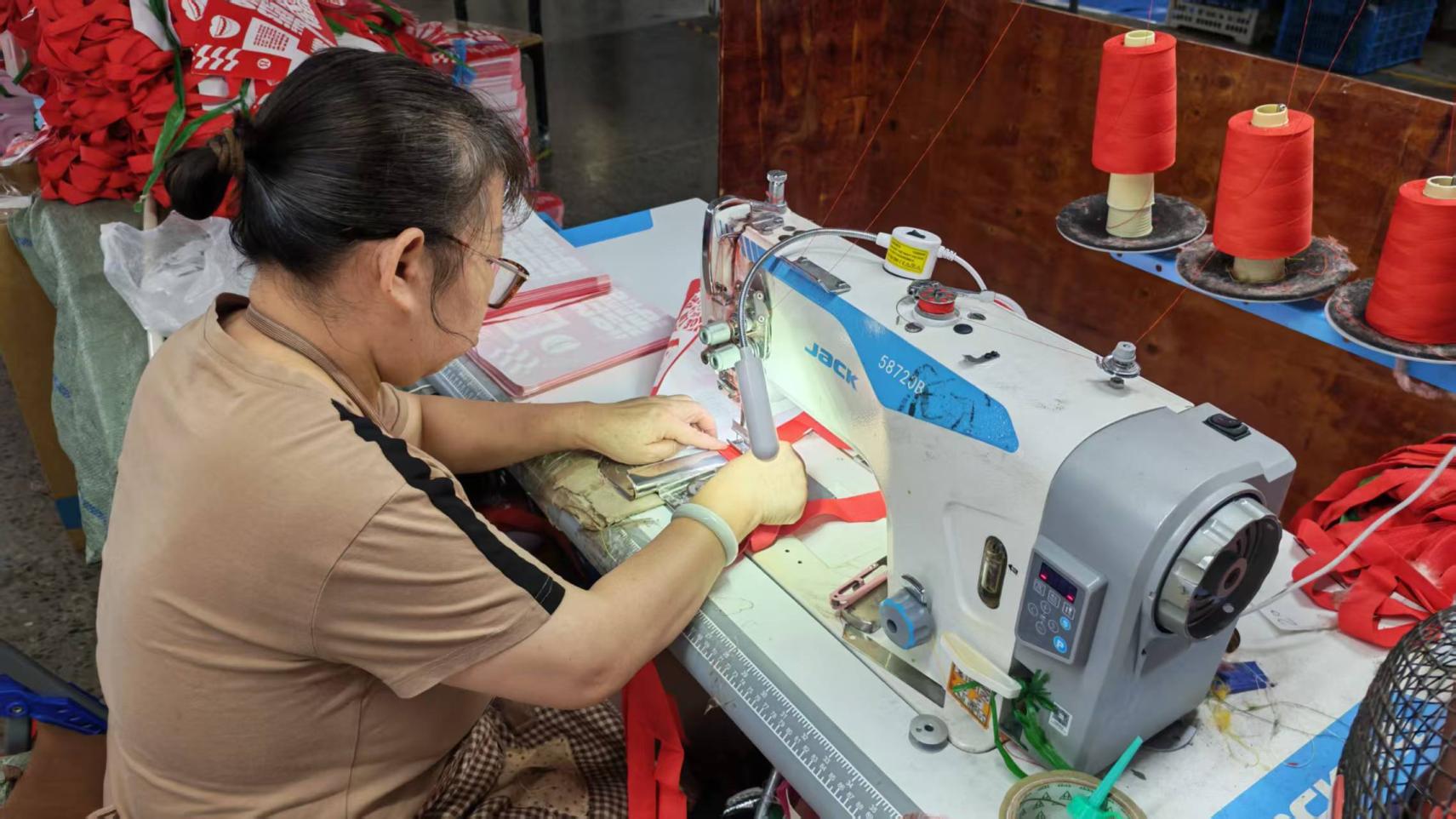
Our facility features modern semi-automated slicing machinery, precision high-speed sewing stations, and digital pattern printers. This high level of control allows us to minimize material waste to less than 1.5%, keeping unit costs low while ensuring consistent stitch density across large production runs. Whether your enterprise requires standard jute wine bags for a Napa Valley tasting room or bespoke luxury drawstring pouches for an upcoming Silicon Valley tech conference, our supply chain ensures timely delivery, verified quality, and competitive price structures.
A visual step-by-step breakdown of how raw materials are transformed into durable, premium packaging solutions.
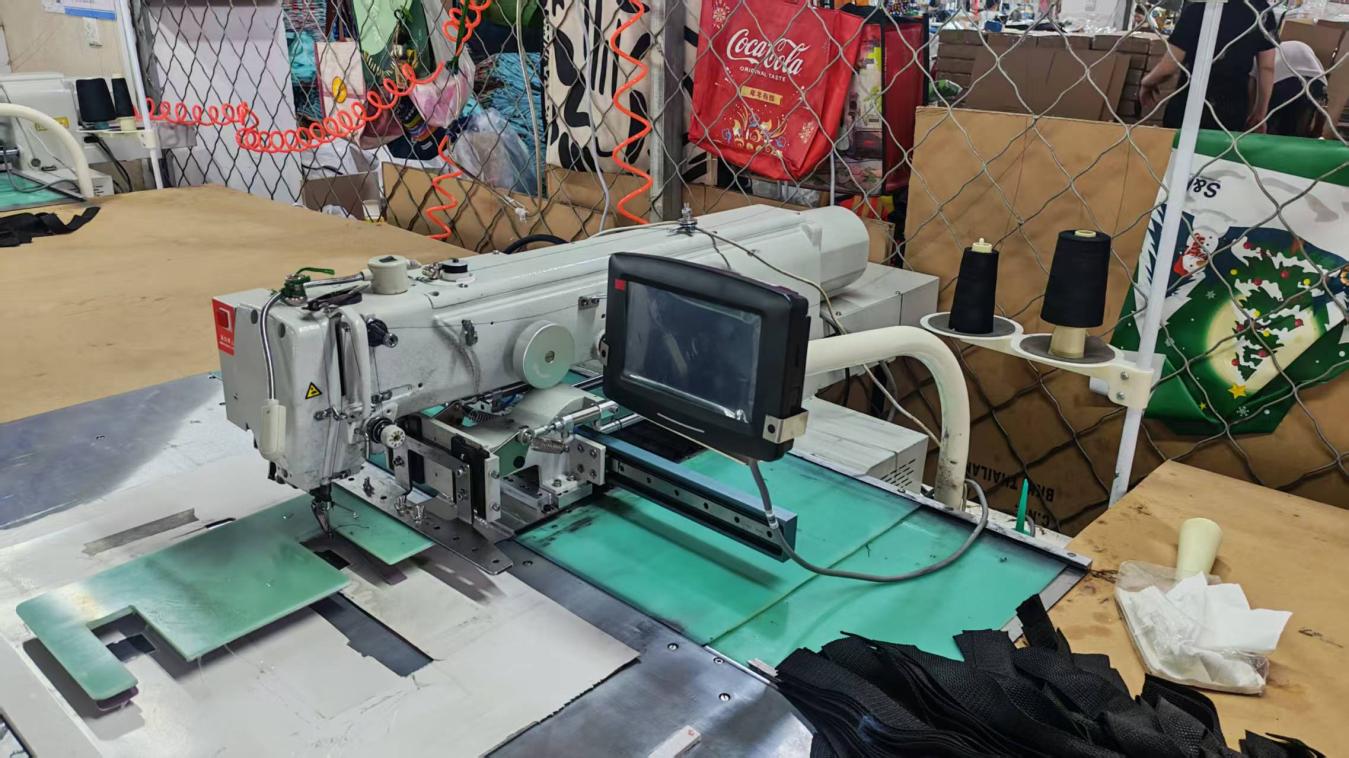
Helping procurement officers evaluate lead times, import compliance, and total cost of ownership (TCO).
For large-scale international buyers, purchasing packaging involves managing import duties, freight logistics, and strict product safety regulations. In the United States, items that contact food directly must meet FDA specifications. Industrial bag components must also comply with California Proposition 65 limits on heavy metals and plasticizers.
Shenzhen LAHD Bag Co., Ltd. addresses these challenges directly. We source raw jute fibers from verified agricultural co-ops that adhere to sustainable farming methods. Our printing processes utilize water-based, non-toxic inks that comply with eco-friendly standards. In addition, we coordinate with major freight companies to offer DDP (Delivered Duty Paid) shipping to San Francisco, Oakland, and Silicon Valley warehouse hubs. This removes the administrative burden of customs clearance for our clients, ensuring a smooth import process.
Every production batch undergoes dual inspection procedures before export. We inspect fabric weight, check stitching density, and test the drawstrings to minimize defect rates on custom orders.
We offer ocean freight through the Port of Oakland for cost savings, as well as expedited air freight via SFO for urgent, time-sensitive corporate campaigns.
From tech conference swag to premium organic food wrapping and boutique retail options.
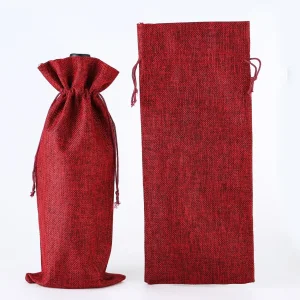
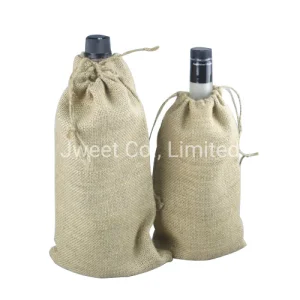
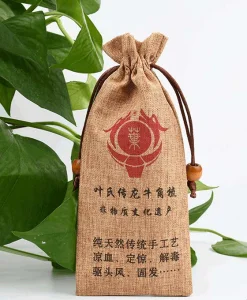
Local businesses in Napa, Sonoma, and San Francisco rely on our custom jute wine bags. The strong fabric protects glass bottles, while the breathable weave and screen-printed branding add a premium touch for tasting rooms and retail spaces.
Silicon Valley organizations are replacing standard polyester backpacks with eco-friendly options. Our jute drawstring backpacks work well for tech summits, brand promotions, and employee onboarding gifts.
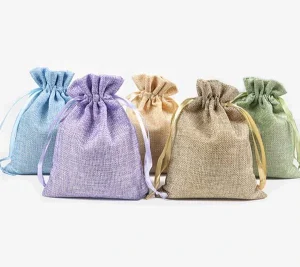
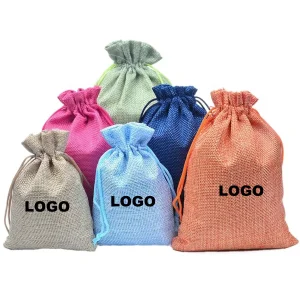
Small-batch local brands—selling organic coffee, cosmetics, soap, and jewelry—use our mini jute pouches. These bags keep products secure and align with modern, eco-friendly branding standards.
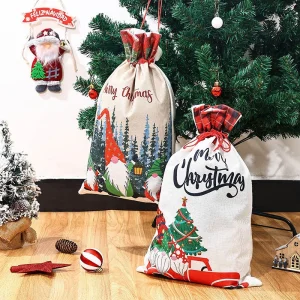
Explore our full range of customizable jute bags, designed for diverse commercial uses and high-volume orders.

Exploring developments in bio-barrier coatings, traceability, and circular packaging loops.
Traditional raw jute can absorb ambient moisture, which may impact stored organic products. Future packaging solutions are addressing this with natural bio-coatings made from starch-based composites and beeswax. These coatings improve moisture barrier properties while keeping the packaging fully compostable.
For high-value logistics, we are seeing growing interest in integrating RFID tags and QR codes into the woven structure of reusable bags. This allows companies to track shipping cycles, verify sourcing locations, and measure carbon offsets across their supply chain.
The rustic aesthetic of jute is evolving. By combining natural fibers with premium materials like organic cotton trim, vegan leather cords, and custom embroidery, brands are creating high-end packaging that customers keep and reuse. This extends the marketing reach of the original purchase.
More Bay Area brands are implementing return-and-reuse incentives. Customers return their jute packaging for store credits, allowing the brand to sanitize and reuse the bags. This reduces packaging expenses and minimizes environmental impact.
Clear answers to common questions about material sourcing, customization, bulk pricing, and shipping logistics.
Get in touch with our team for volume pricing, custom branding options, and fast shipping estimates for the San Francisco Bay Area.
 LAHD Bag