As the international supply chain undergoes a radical transition toward a circular economy, single-use plastic bags are systematically phased out by legislative mandates across North America, the European Union, and the Asia-Pacific region. In this structural paradigm shift, the Jute Market Bag has emerged as the definitive premium alternative. Not merely a packaging commodity, the modern jute market bag represents an essential element of a brand's ecological identity and corporate social responsibility (CSR) execution.
Jute (Corchorus capsularis and Corchorus olitorius), frequently termed the "Golden Fiber," is highly appreciated for its remarkable environmental footprint. It is entirely bio-degradable, CO2-neutral, and relies primarily on natural rainfall rather than heavy pesticide use. In terms of strength and structural integrity, jute outperforms synthetic polymers by delivering unparalleled tensile strength, highly breathable weave configurations, and high tearing resistance, making it the perfect substrate for heavy-duty retail, grocery, and promotional use cases.
Bio-degradable & Compostable Raw Materials
Standard Load-Bearing Tensile Strength Capacity
AZO-Free Non-Toxic Fabric Treatments Used
Daily Finished Production Output Capacity
B2B procurement departments are looking beyond simplistic eco-labels. Professional sourcing managers require deep visibility into fabric weight metrics (ranging from 280 GSM to 450 GSM), inner coating options (such as food-grade LDPE lamination or biodegradable starch-based backings), stitch strength indices, and carbon footprint footprints. By understanding these parameters, corporate buyers can optimize packaging spend while meeting national compliance regulations regarding packaging reuse cycles.
Established in 2006, Shenzhen LAHD Bag Co., Ltd. has developed over nearly two decades into a professional, quality-oriented manufacturer and exporter specializing in custom gift packaging products and promotional packaging solutions. Our operational blueprint is built upon delivering premium products, maintaining competitive pricing, executing reliable delivery schedules, and offering world-class customer service to international clients.
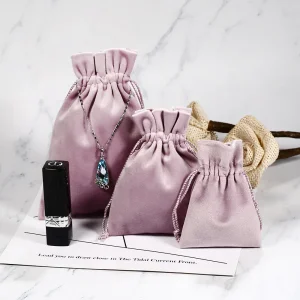
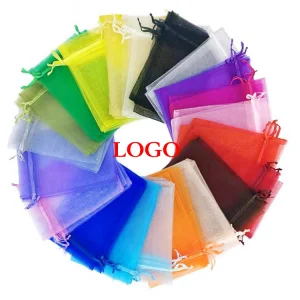
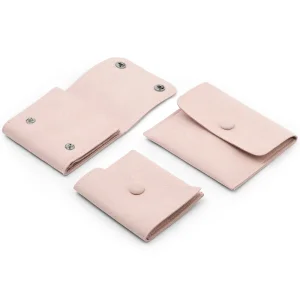
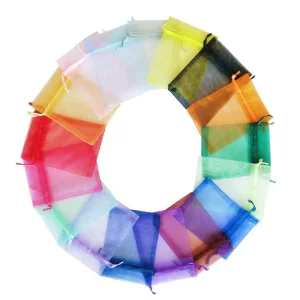
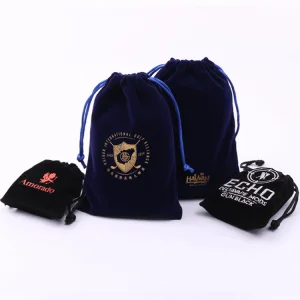
Our expansive product portfolio spans organza bags, satin jewelry bags, velvet bags, cotton bags, jute bags, canvas bags, non-woven bags, nylon bags, mesh bags, shopping bags, drawstring bags, gift pouches, and bespoke accessories including ribbons, cords, tassels, and custom-designed satin bows. We are strategically structured to serve high-end cosmetics, jewelry, luxury retail, corporate promotions, and global retail distribution channels.
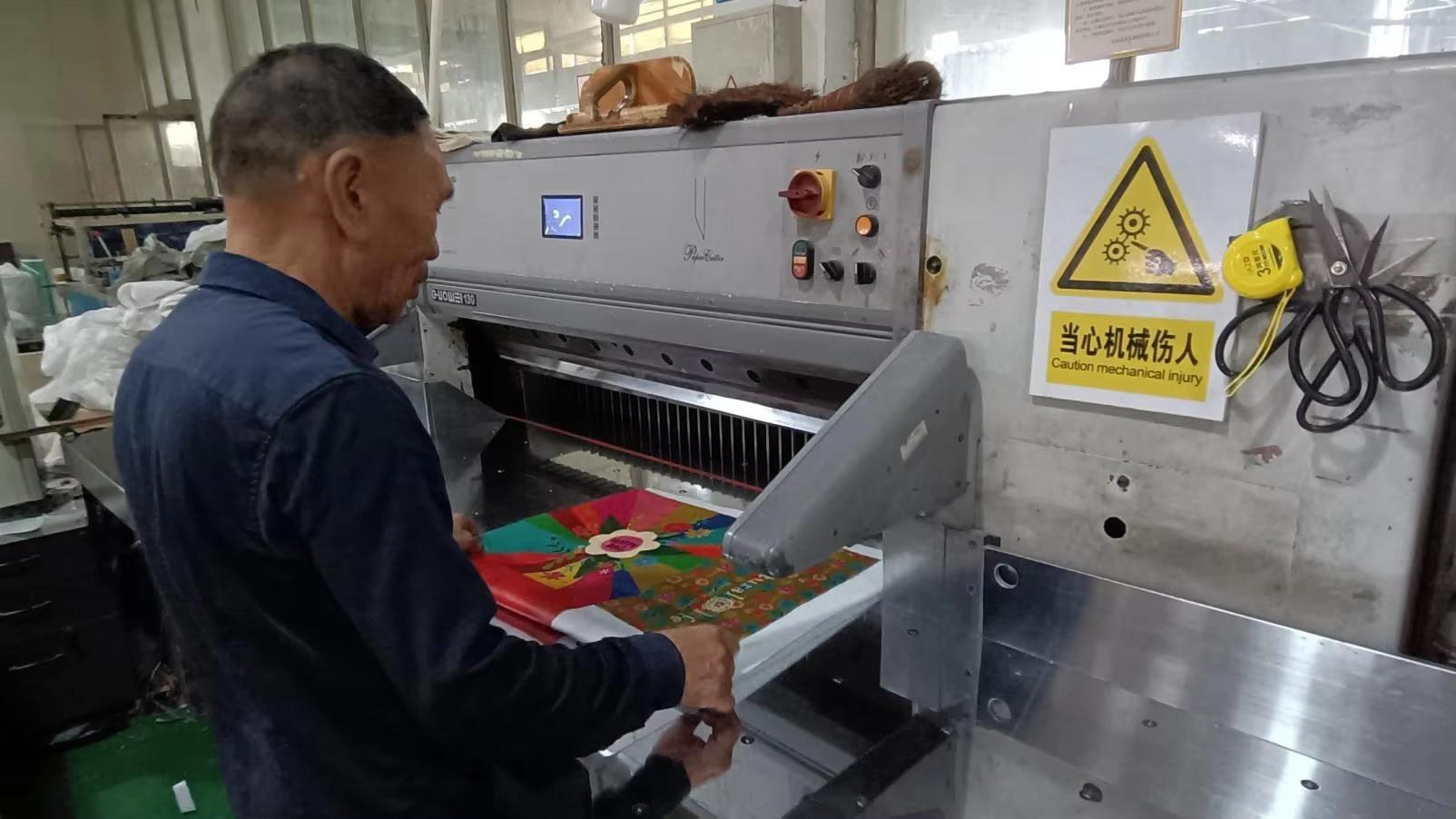
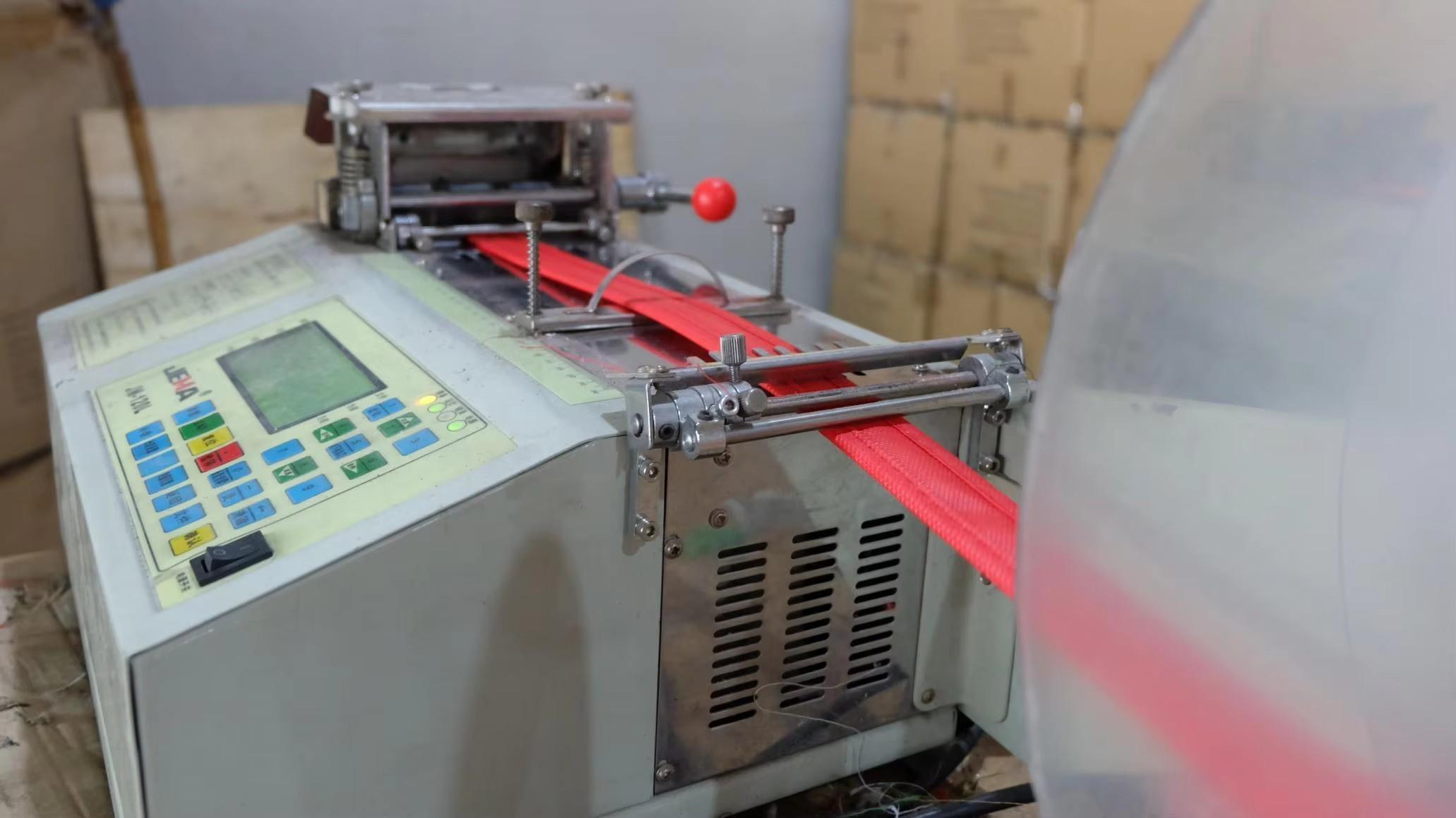
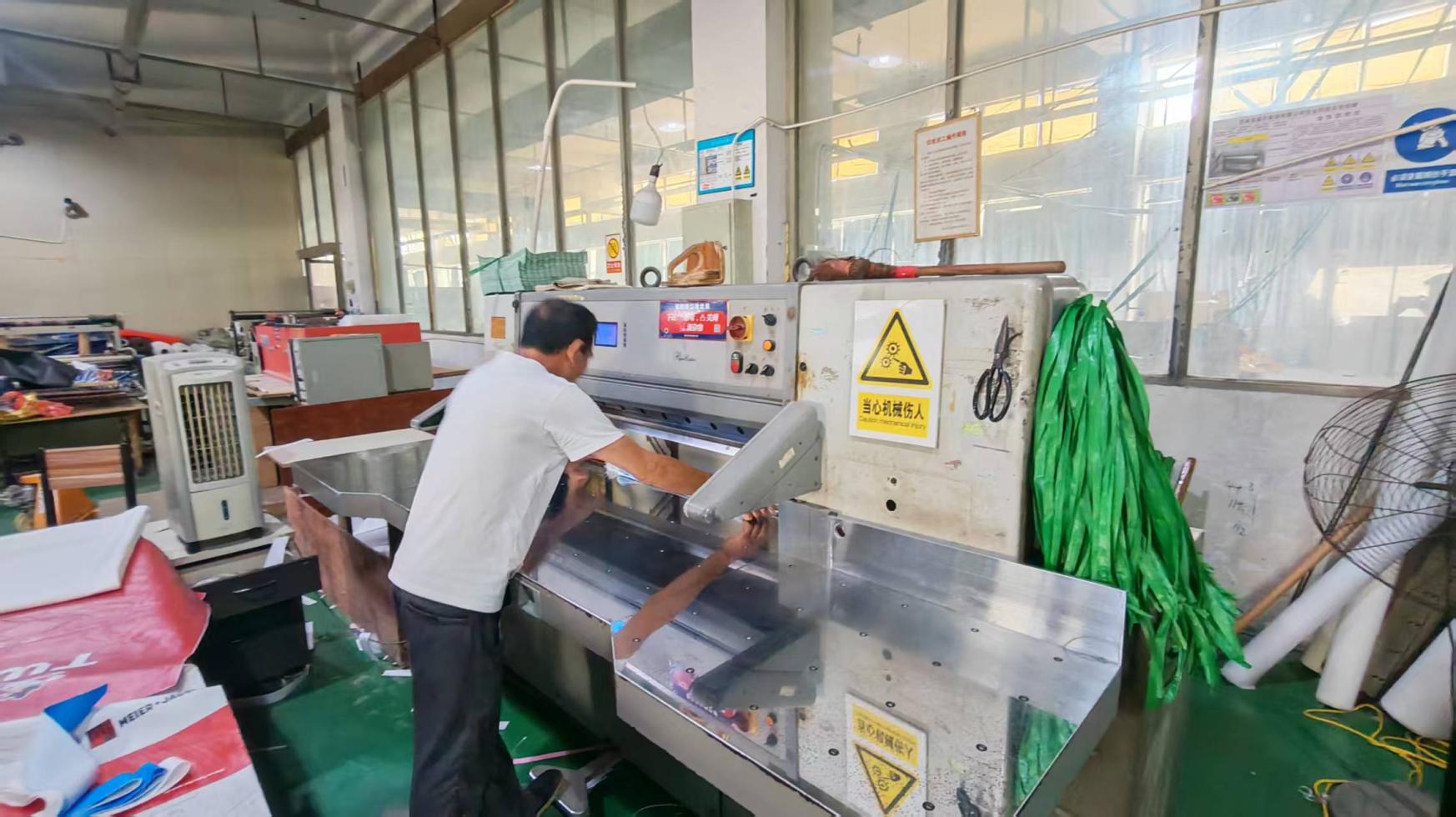
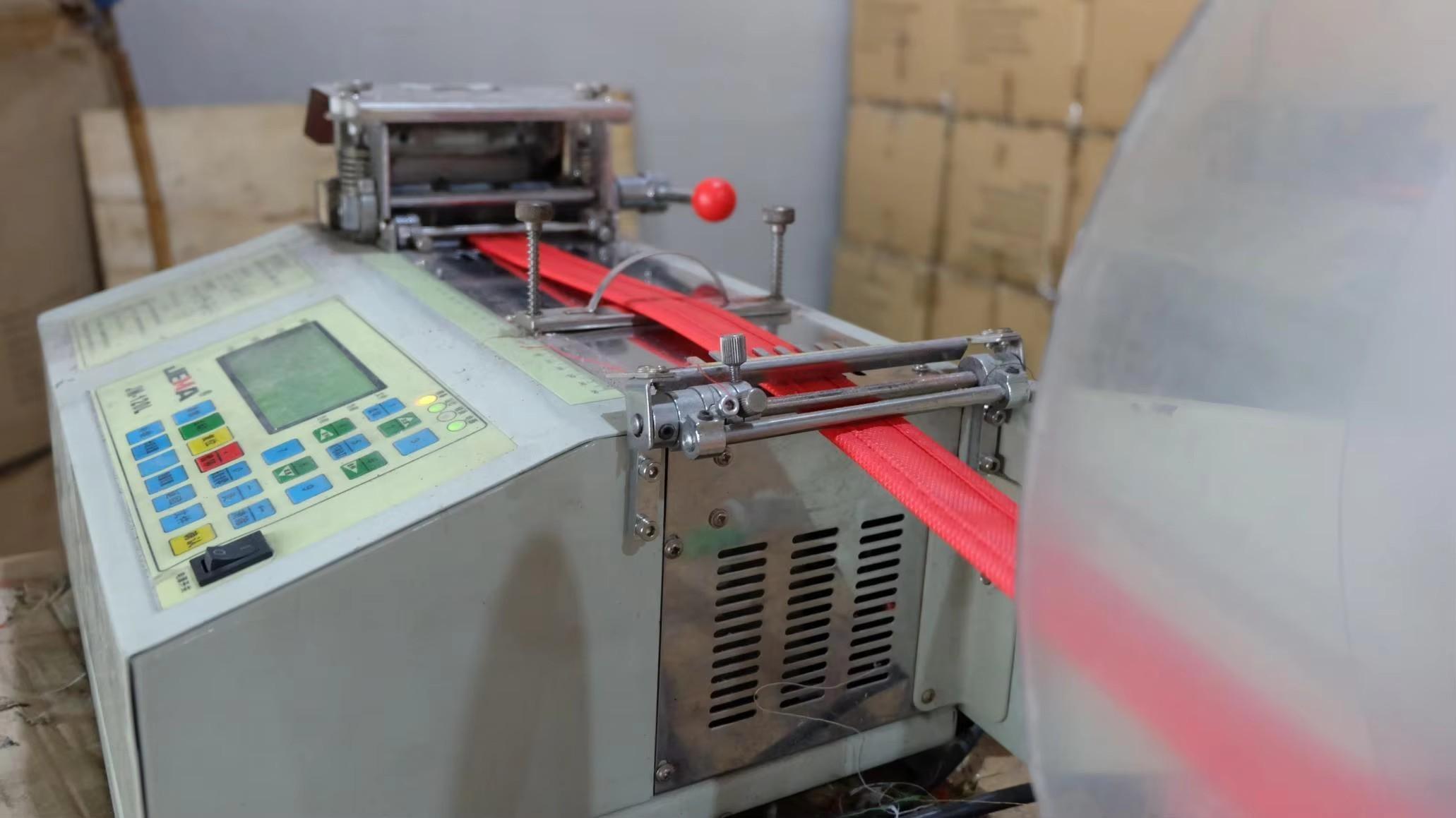
"By integrating raw material sourcing, automated precision cutting, advanced printing capabilities, and rigorous multi-stage quality control, we ensure that every single jute and fabric product dispatched from our facility adheres to strict international standards. Our flexibility allows us to execute complex OEM/ODM projects tailored exactly to custom brand specifications."
With established long-term business footprints across North America, Europe, Oceania, Southeast Asia, and the Middle East, our production processes align with the evolving regulatory frameworks of each target market. We actively support global brands in transition pathways towards zero-waste packaging, blending classic textile techniques with state-of-the-art manufacturing automation.
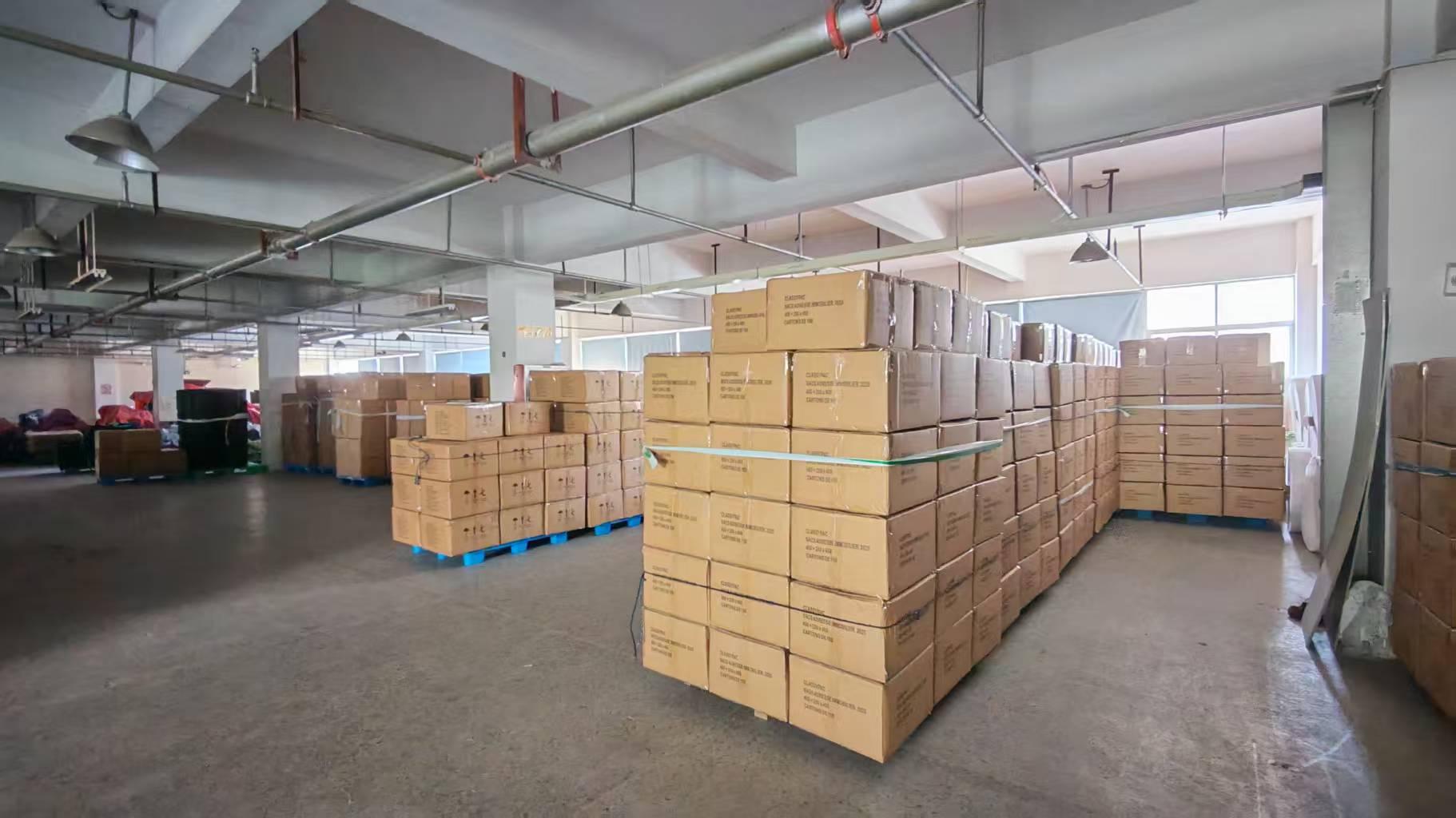
For procurement directors, importing custom jute market bags involves navigating issues like shipping logistics, tariff codes, print accuracy, and moisture control. Raw jute is highly sensitive to relative humidity. Without proper drying, storage, and container desiccant application, cross-continental maritime shipping can compromise fabric integrity. Shenzhen LAHD Bag Co., Ltd. mitigates these risks through advanced warehousing protocols and dehumidified processing facilities.
From fine-mesh hessian fabric to heavy-duty burlap, we match the exact thread count and weave structure to your product's weight requirements and aesthetic goals.
We provide water-resistant interior coatings, including biodegradable PLA linings and standard food-grade LDPE, protecting contents from moisture transfer.
Utilizing high-precision silkscreen, heat-transfer, and rotary flexographic printing with certified non-toxic, lead-free, and AZO-free pigment systems.
Furthermore, our factory is strategically located in Shenzhen, providing direct, streamlined access to major international deep-water container ports. This geographic position minimizes internal transit times and domestic logistics fees, lowering the overall landing cost per unit for global importers.
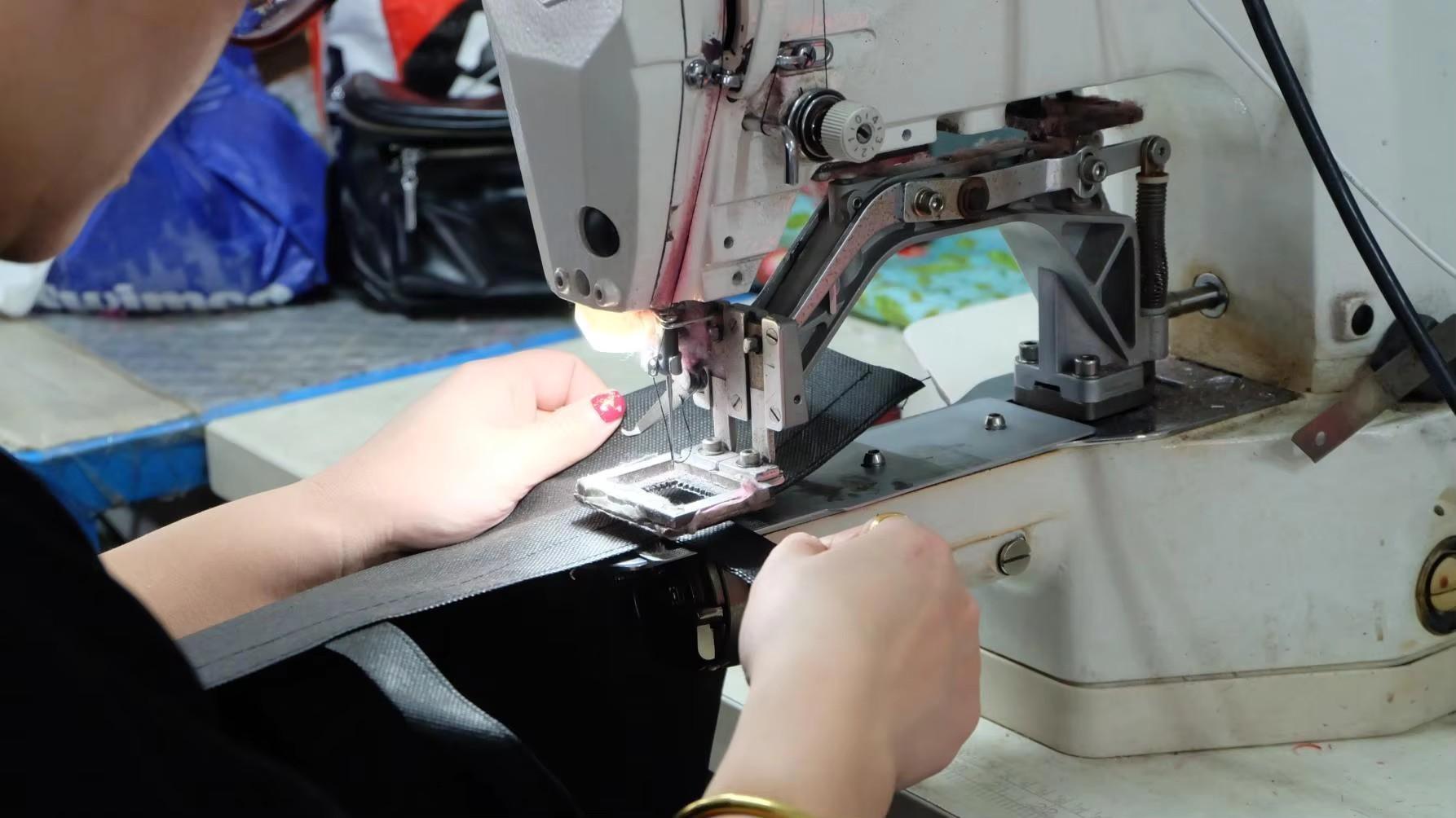
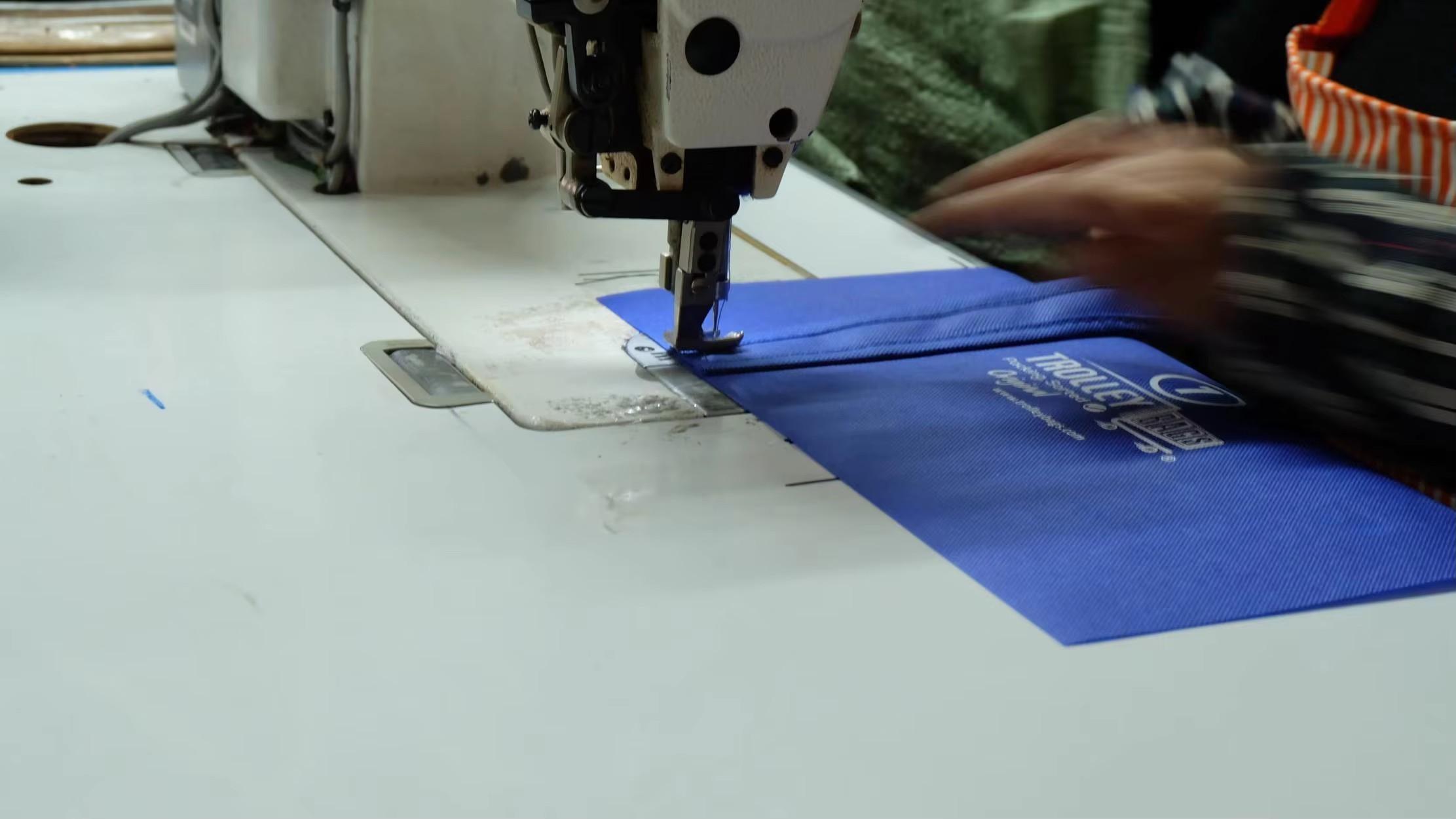
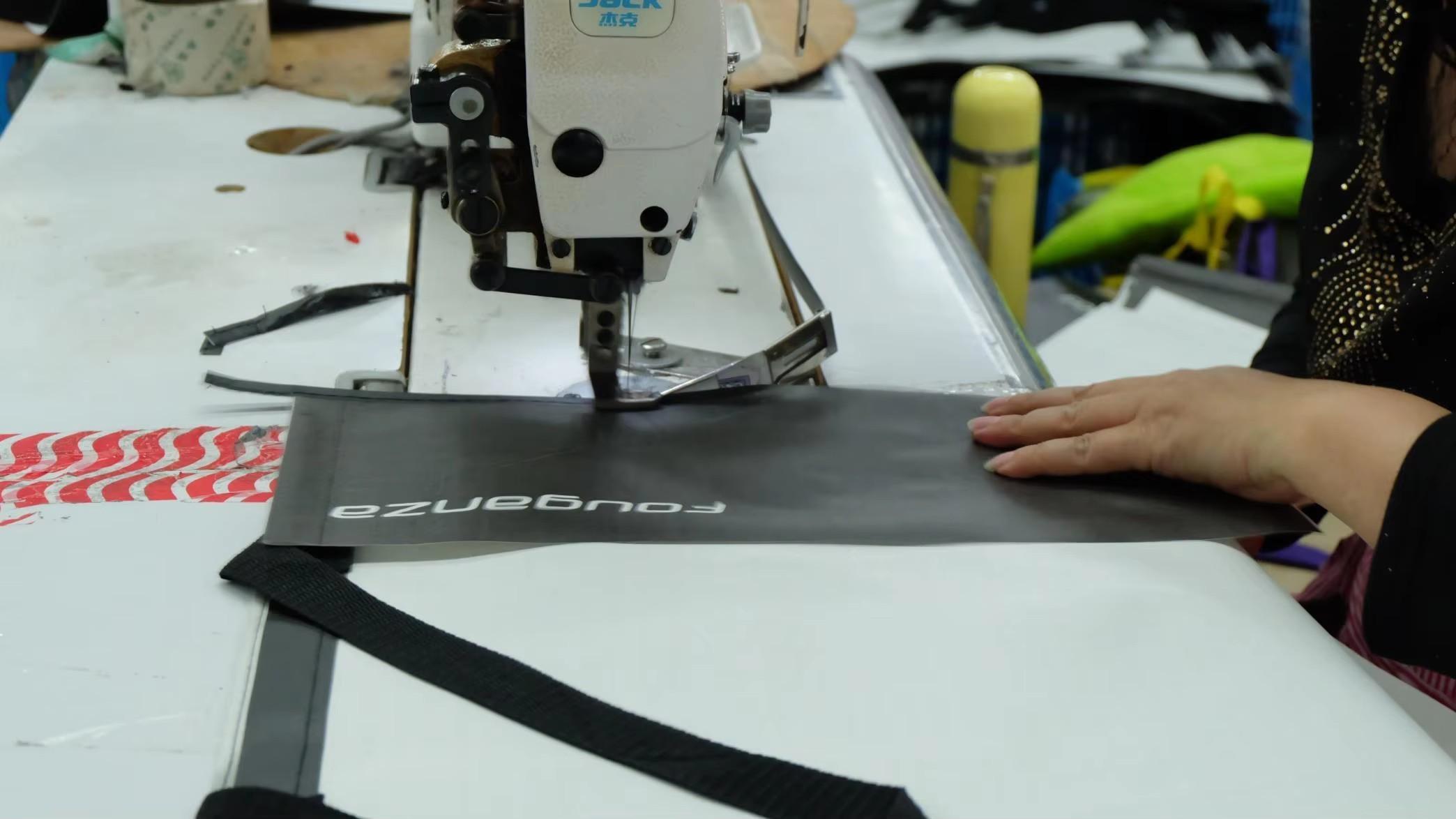
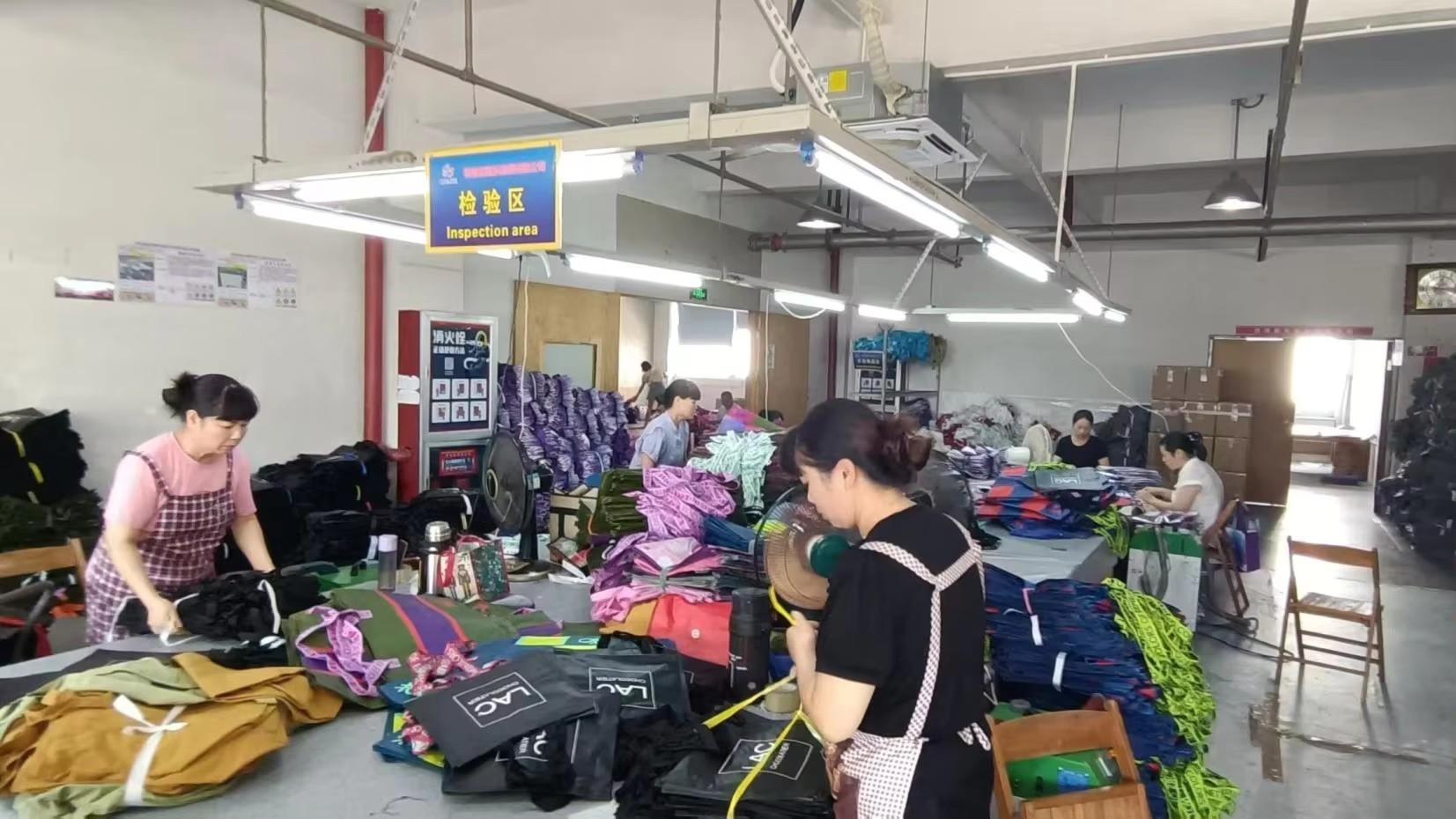
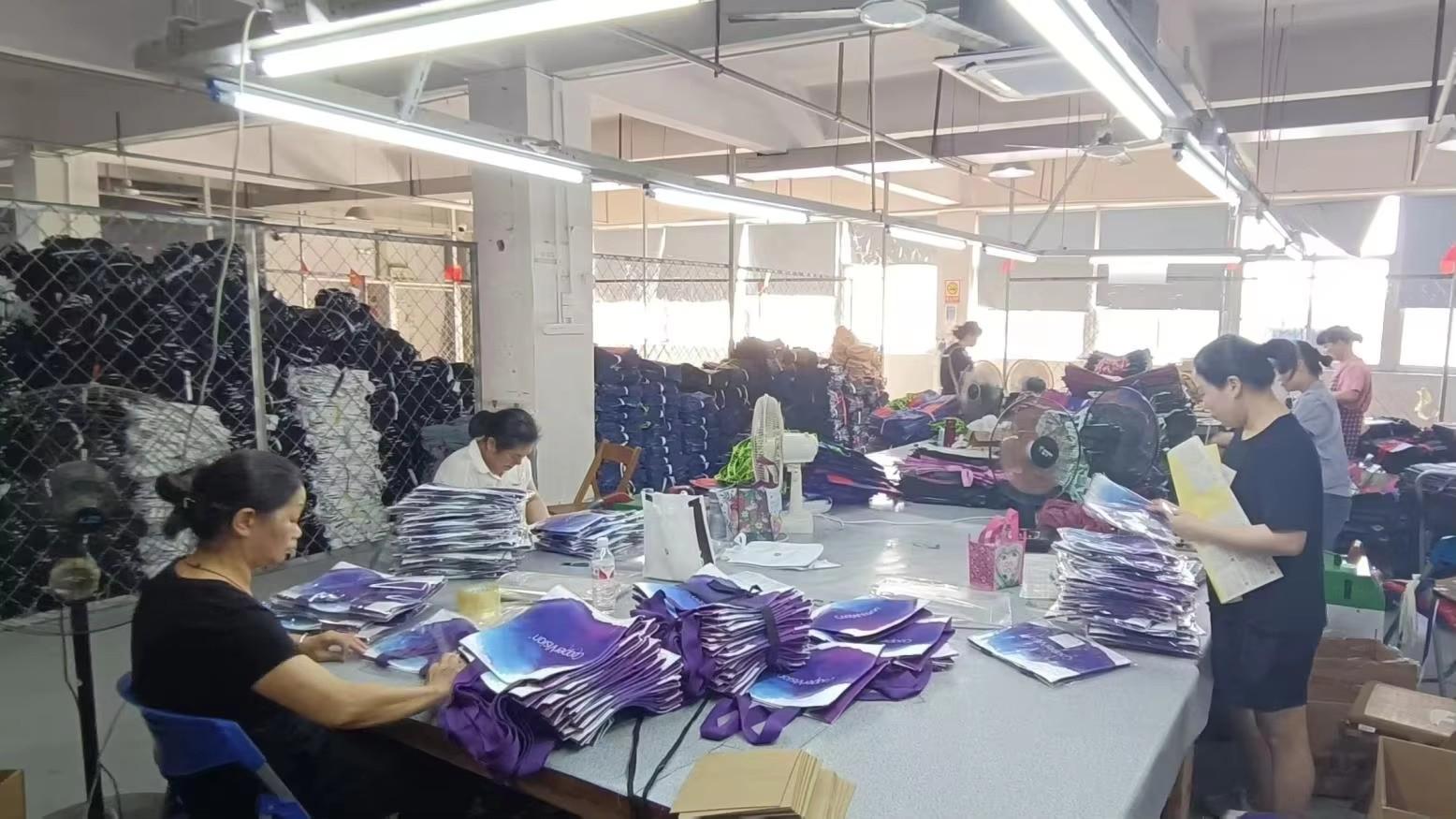
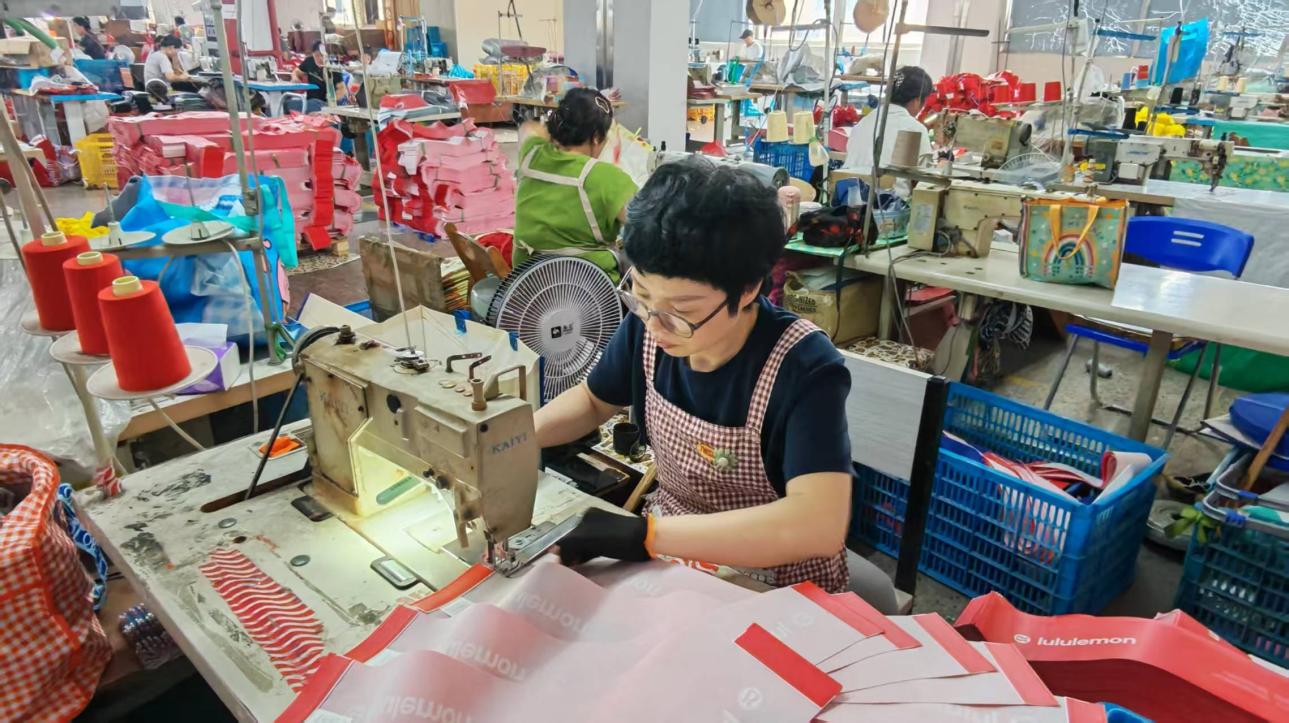
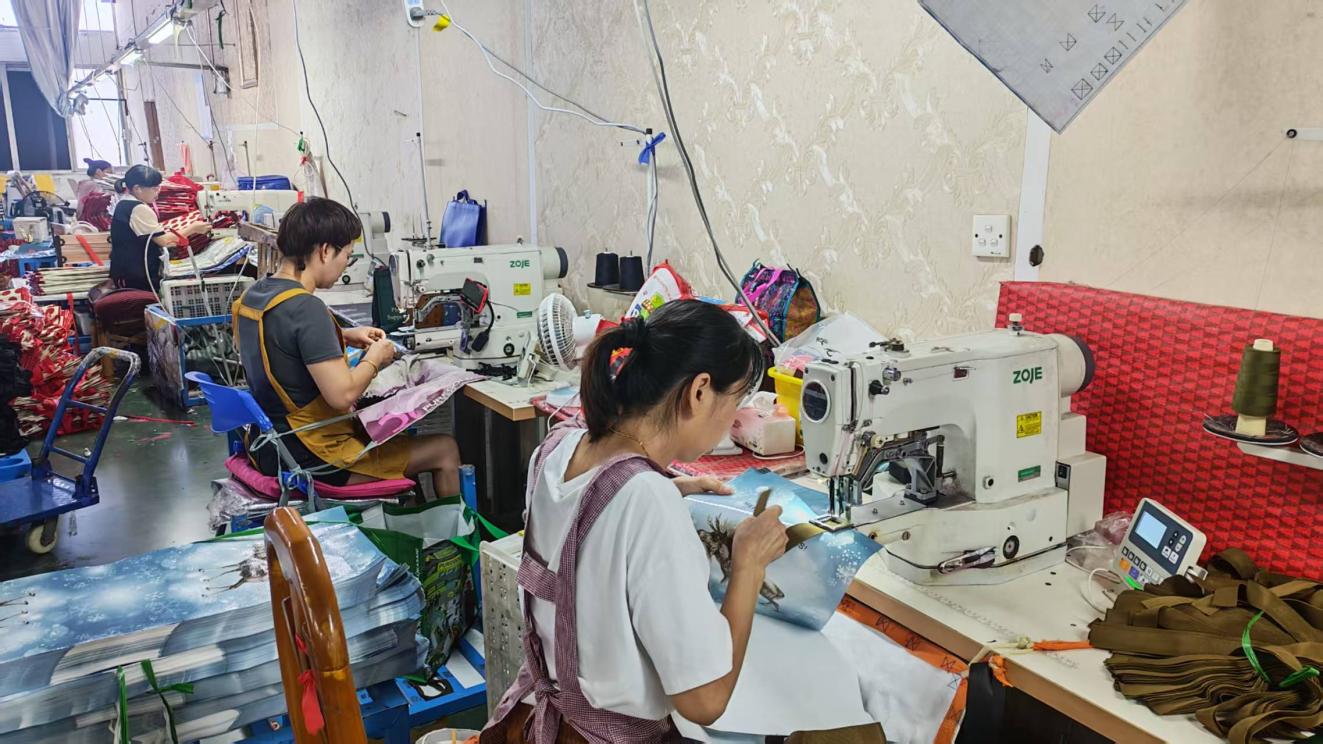
Quality reliability is achieved through structured process execution. Below is the step-by-step production flow and machine setup employed within the Shenzhen LAHD Bag Co., Ltd. facilities. This transparency guarantees that every product—from canvas shopping totes to delicate custom drawstring pouches—is crafted to exact dimensional tolerances.
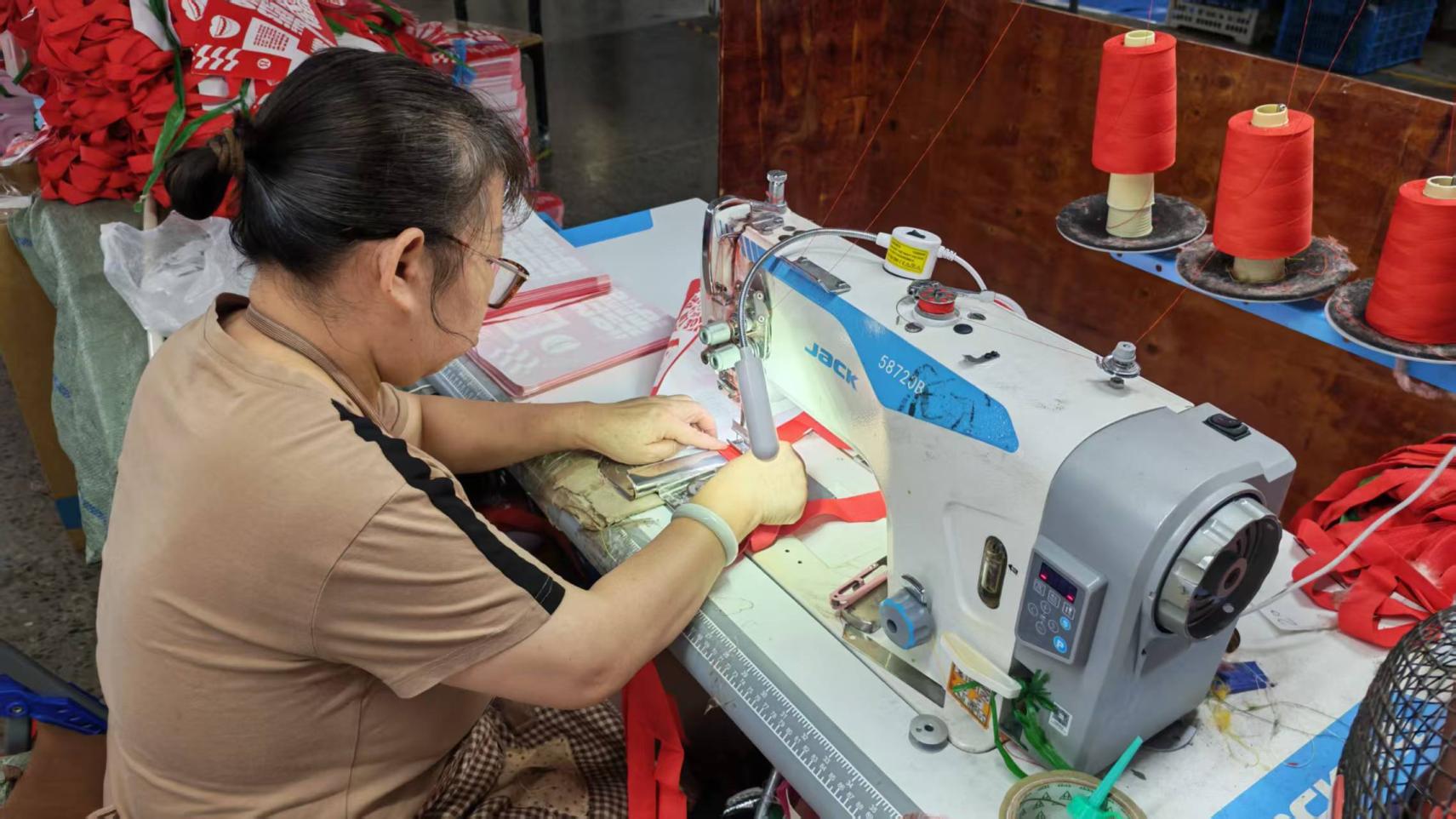
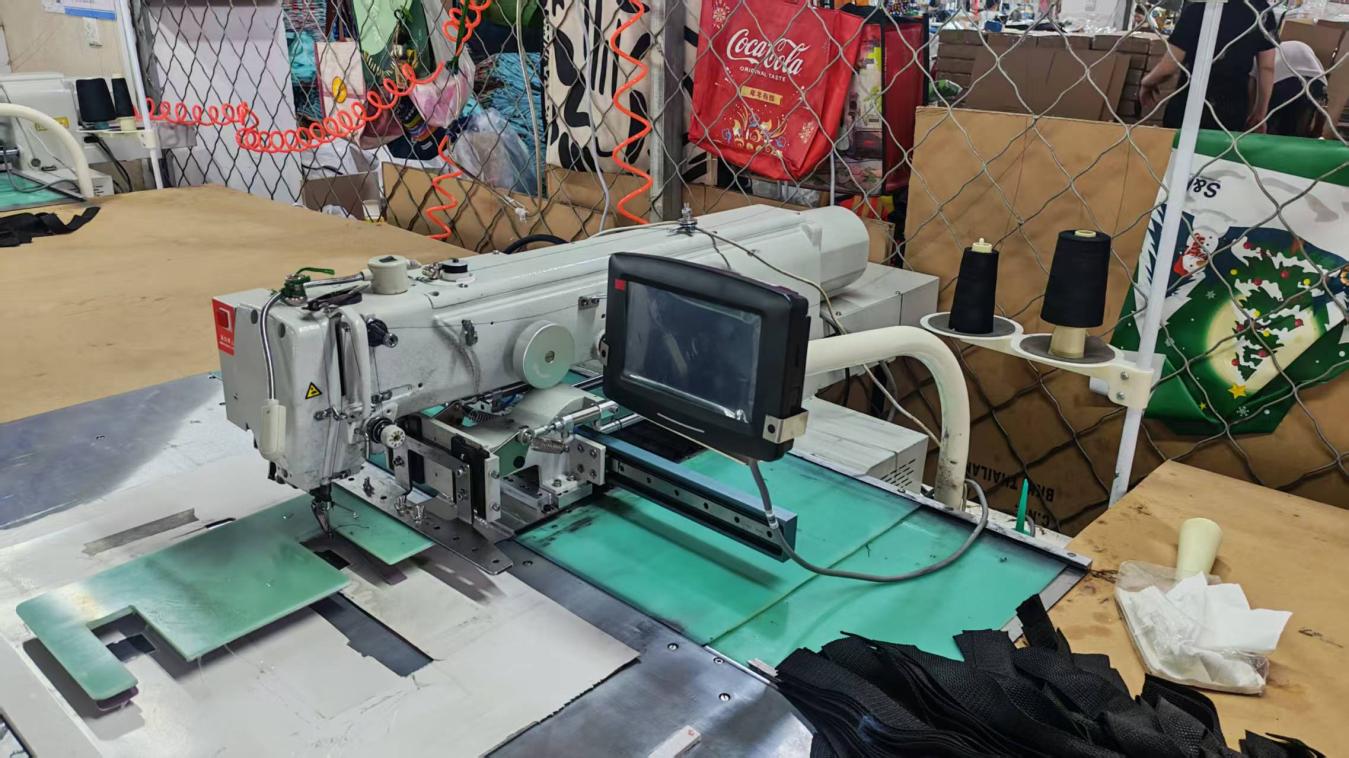
Entering international commercial markets requires strict adherence to localized compliance frameworks. Imported packaging bags must meet stringent public health, ecological safety, and fair labor regulations. Shenzhen LAHD Bag Co., Ltd. maintains a complete compliance protocol to support smooth customs clearance in target markets.
All dye systems, linings, inks, and textile processing agents undergo laboratory testing to guarantee they remain free of heavy metals, phthalates, and restricted AZO compounds, aligning with EU and US import guidelines.
We believe in supply chain transparency. Our manufacturing facilities are audited periodically, assuring fair compensation, safe production environments, and the exclusion of child or forced labor.
From initial yarn inspections to final visual checks, every production run is subjected to rigorous quality audits, minimizing batch-to-batch discrepancies and ensuring high seam strength.
While jute has historical roots as a traditional crop, the future of jute-based packaging lies in technical innovation. The integration of advanced finishing techniques is enhancing the performance of natural fiber market bags, making them highly viable for high-performance and automated retail environments.
Key areas of development include anti-microbial treatments that prevent mold growth in humid transit conditions, water-repellent nanotech coatings that remain biodegradable, and smart tag integration (RFID and NFC) for supply chain tracking. These innovations allow premium brands to use jute bags for secure, high-value product retail packaging while maintaining eco-friendly claims.
Technical Outlook: Shenzhen LAHD Bag Co., Ltd. is continuously testing new natural fiber blends—such as hemp-jute and organic cotton-jute hybrids—to achieve lighter fabric options with comparable load capabilities, helping clients reduce transport-related emissions.

 LAHD Bag