Top 10 Best Fabrics for Jewelry Packaging for Global Buyers?

Time:2026-10-15 Author:Ethan
0%

Jewelry packaging does more than protect a product during shipping. It shapes the buyer’s first tactile impression of quality, care, and brand value. A soft velvet pouch feels luxurious, while a crisp cotton sleeve suggests simplicity and responsible design. Global buyers also evaluate durability, cost, appearance, and supply consistency before approving a packaging material.

What is the best fabric for jewelry packaging? The answer depends on the jewelry, target market, packaging format, and shipping conditions. Velvet, satin, cotton, linen, suede, microfiber, and recycled fabrics each offer different benefits. Velvet provides a rich surface but may attract dust. Satin photographs beautifully but can crease easily. Cotton is practical and customizable, while microfiber can help reduce surface contact marks. No material is perfect.

This guide compares ten widely used fabrics for jewelry packaging through a professional and practical lens. It considers abrasion resistance, stitching performance, colorfastness, moisture exposure, printing quality, and customer handling. Small details matter. A drawstring channel can fray. Dark fabric can transfer color when damp. A thin lining may protect delicate metal better than a thicker outer cloth. These issues often appear during sample testing, not during a showroom presentation.

The recommendations reflect common packaging development experience and supplier evaluation practices. They are designed to help retailers, manufacturers, and sourcing teams make clearer decisions across different markets. Sustainability also requires careful review. Recycled content sounds appealing, but buyers should verify composition, finishing processes, and actual durability. The most attractive option may not be the most reliable one. That deserves a second look.
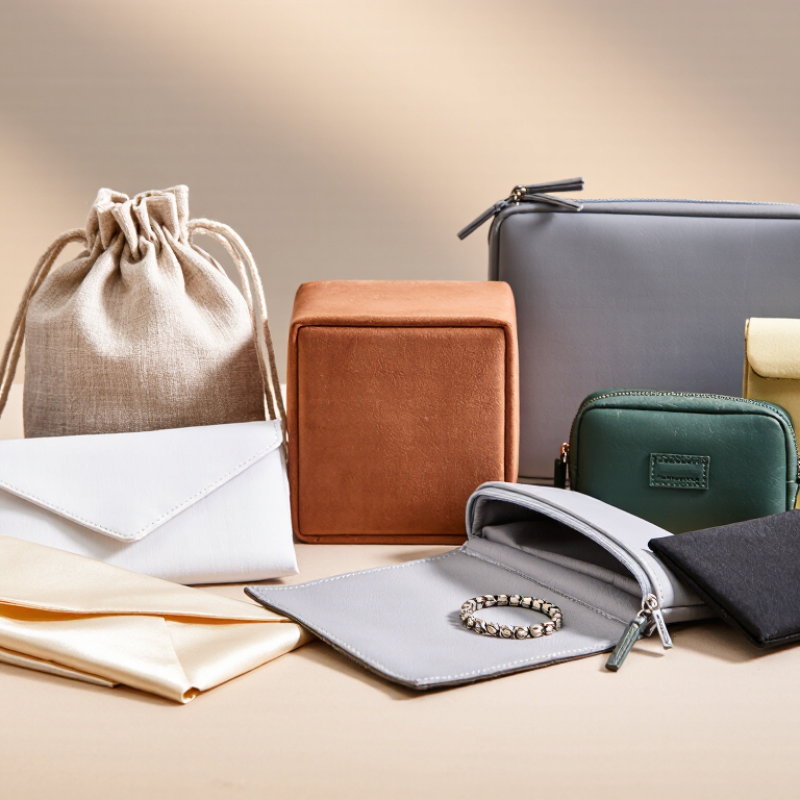
Top 10 Best Fabrics for Jewelry Packaging for Global Buyers?

What Makes a Fabric Suitable for Jewelry Packaging?

A suitable jewelry packaging fabric must protect delicate surfaces without creating new risks. In packaging trials, I check softness by rubbing fabric against polished metal under bright light. A suitable lining leaves no scratches, loose fibers, or visible color transfer. Small details matter.

Fiber Choice Fiber choice affects handling and storage. Cotton feels natural and absorbs moisture, but it can hold humidity in damp warehouses. Polyester usually offers better abrasion resistance and stable color. Velvet creates a rich tactile impression, yet its pile may flatten under pressure.

Silk feels refined, although its higher cost and weaker resistance can limit repeated use. Blended fabrics may balance these weaknesses. They can also make quality control less predictable.

Testing & Performance The weave deserves close attention. Tight, even surfaces reduce snagging around clasps and stone settings. A dense fabric also helps prevent dust from reaching the jewelry. I test seam strength, edge fraying, and colorfastness after light moisture exposure. Global shipments may face heat, cold, and long periods inside cartons. Fabric should remain clean and odor-free across these conditions. Anti-static performance is useful when dust is a concern, but excessive chemical treatment needs careful review. Certifications can support trust, though paperwork alone does not prove practical performance. I have seen attractive materials fail because their backing was too stiff. A sample should be tested with the actual box, insert, and jewelry weight.

Top Fabric Choices for Jewelry Packaging and Their Key Features

Selecting the right fabric for jewelry packaging requires more than a luxurious appearance. A reliable lining should reduce friction, control movement, and support consistent production. In packaging trials, velvet performs well because its dense pile cushions metal and helps prevent sliding. Microfiber feels smooth and tolerates frequent cleaning, but low-grade fibers may shed. Silk creates an elegant touch and photographs beautifully under soft lighting. It is also delicate and easily marked by skin oils.

Satin offers attractive shine at a moderate cost, although its slippery surface can let rings shift. Cotton breathes well and accepts printing, making it practical for daily collections. Linen adds natural texture and handles heat, yet wrinkles require careful pressing. Suede-like fabric provides grip and a rich hand feel. Some coated versions feel less breathable. Felt is lightweight, economical, and easy to die-cut for trays or pouches.

Canvas brings strength to travel cases and larger boxes. It looks casual. Recycled polyester provides color stability, moisture resistance, and scalable sourcing for global orders. No fabric wins every test. Rub each option against polished silver, close the package, and inspect it after simulated shipping. Check fiber content and colorfastness with suppliers, especially for humid routes. A fabric can look premium yet create lint, odor, or unexpected dye transfer. That risk deserves attention before bulk production.

Top 10 Best Fabrics for Jewelry Packaging for Global Buyers? - Top Fabric Choices for Jewelry Packaging and Their Key Features

Rank Fabric Key Characteristics Jewelry Protection Best Packaging Applications Durability Care Level Relative Cost
1 Velvet Soft cut pile with a rich, premium appearance and good color depth. Excellent cushioning and scratch resistance for polished surfaces. Ring boxes, necklace trays, presentation pouches, and luxury gift boxes. High Moderate; attracts dust and should be handled carefully. Medium–High
2 Microfiber Fine synthetic fibers create a smooth, lint-resistant, and consistent surface. Very good for reducing light abrasion and transferring fewer loose fibers. Jewelry polishing cloths, pouches, inserts, and everyday retail packaging. High Low to moderate; generally easy to clean. Low–Medium
3 Satin Smooth fabric with a glossy face and fluid drape; commonly made from polyester or silk. Good surface protection, although it provides less padding than velvet. Drawstring pouches, ribbon accents, lining, and decorative wrapping. Medium Moderate; may snag or show wrinkles. Low–Medium
4 Suede Napped surface with a matte, leather-like hand and distinctive tactile appeal. Very good cushioning and grip; helps keep items from sliding. Premium trays, ring rolls, watch cushions, and structured jewelry cases. High Moderate; can retain dust and is sensitive to moisture. Medium–High
5 Silk Natural protein fiber known for a smooth hand, elegant luster, and lightweight feel. Good for gentle contact surfaces, but it offers limited structural cushioning. Luxury pouches, premium wrapping, gift presentation, and soft liners. Medium High; sensitive to abrasion, snagging, and harsh cleaning. High
6 Cotton Breathable natural fiber with a soft hand and broad availability in different weights. Good everyday protection when tightly woven or combined with padding. Reusable pouches, casual collections, inserts, and promotional packaging. Medium–High Low to moderate; washable but may shrink if not pre-treated. Low–Medium
7 Linen Flax-based natural fabric with a textured appearance, breathable structure, and relaxed style. Good for lightweight packaging; texture may be less suitable for delicate high-polish surfaces. Eco-positioned pouches, rustic gift boxes, and natural-style collections. High Moderate; wrinkles easily and may require pressing. Medium
8 Felt Dense, nonwoven material available in wool, synthetic, or blended constructions. Very good cushioning, insulation, and resistance to movement inside a case. Tray liners, dividers, ring rolls, protective sleeves, and display inserts. High Low; spot cleaning is usually preferred. Low–Medium
9 Organza Lightweight, sheer, and crisp fabric with a structured decorative appearance. Limited cushioning; best used as an outer pouch or decorative layer. Sheer gift bags, wedding jewelry packaging, decorative wraps, and overlays. Medium Moderate; can snag and crease during handling. Low
10 Nonwoven Polypropylene Lightweight synthetic sheet with consistent thickness, low lint, and easy customization. Fair to good protection when layered or paired with foam and a soft lining. Cost-sensitive pouches, separators, dust covers, and high-volume promotional packaging. Medium–High Low; generally easy to wipe and handle. Low

Note: Relative cost and performance ratings are general procurement guidelines. Actual results vary according to fiber composition, fabric weight, finish, lining, construction, and order volume.

How to Compare Fabric Durability, Appearance, and Protection

For global buyers, comparing ten common packaging fabrics requires more than checking color and price. Velvet offers a soft touch and strong visual appeal, but its raised surface may collect dust. Satin looks refined and reflects light beautifully. However, it can show scratches and wrinkles easily. Cotton feels natural and handles regular use well. Linen adds texture, though its rougher surface may not suit delicate pieces. Microfiber is practical, smooth, and resistant to light abrasion. It often provides better protection than satin.

Durability should be tested through repeated folding, rubbing, and seam inspection. I have found that fabric weight alone does not predict performance. A thick material can still crush easily. Protection depends on the inner padding, lining stability, and resistance to moisture. Felt, polyester, silk, rayon, and nonwoven fabric each create different trade-offs. Silk looks impressive but needs careful handling. Polyester usually lasts longer and maintains its shape. Nonwoven fabric can reduce costs, yet it may feel less premium.

Tips: Place a sample inside the final box before ordering in bulk. Rub it against a metal edge and inspect loose fibers. Test light-colored fabrics for transfer after gentle cleaning. Ask for abrasion, colorfastness, and compression data when available. Do not judge appearance under showroom lighting only. Natural daylight may reveal uneven dyeing. A small flaw can become obvious across thousands of packages. Suppliers should provide consistent samples, although real production may still vary slightly. That uncertainty deserves a second check.

Which Fabrics Best Match Different Jewelry Types and Brands?

Choosing jewelry packaging fabric should begin with the jewelry’s surface, weight, and visual character. Velvet suits rings, earrings, and statement pieces because its dense pile creates a rich, protective cushion. Silk and satin work well for delicate necklaces, especially in luxury collections seeking soft shine. However, they can show fingerprints and creases quickly.

Microfiber is a practical choice for polished metals and stones. It reduces surface rubbing during transport and feels clean in minimalist packaging. Suede offers a warmer, handcrafted appearance for bracelets and vintage-inspired collections. Felt supports heavier jewelry, such as thick bangles, because it holds shape better than thin satin. Cotton and linen match natural, handmade brand identities, although their loose fibers may catch on fine chains.

Canvas brings strength to travel cases and larger presentation boxes. Jacquard adds woven detail for heritage-focused collections, while smooth recycled polyester supports colorful, high-volume packaging. In my packaging tests, dark velvet often made pale stones stand out, but it also collected dust more visibly. That detail is easy to miss. Brand identity matters, yet function should lead the decision. A bold fabric may photograph beautifully but frustrate customers when chains snag or surfaces crease. Small samples, abrasion checks, and repeated opening tests reveal more than a supplier’s color chart. Sometimes the less dramatic fabric performs better.

How Global Buyers Can Select and Source the Right Packaging Fabric

Selecting fabric for jewelry packaging starts with the jewelry itself, not a trend board. In production reviews, we compare softness, abrasion resistance, color stability, and folding behavior. Velvet creates a rich presentation, while cotton and linen offer a quieter, tactile look. Satin photographs well but can show fingerprints and creases. Microfiber suede is practical for delicate surfaces, though low-quality versions may shed. Recycled polyester can support consistent supply, but buyers should verify fiber claims through independent documentation. The best fabric is not always the most luxurious one.

Global buyers should request physical samples before discussing large volumes. Rub each sample with a clean white cloth, fold it repeatedly, and place a metal accessory inside for several days. Check for lint, dye transfer, odor, loose threads, and crushed pile. Ask suppliers for fabric composition, weight, width, finish, color references, packing method, minimum order quantity, and production lead time. A small test order can reveal problems that a polished sample hides. It costs more upfront. It prevents rework.

Sourcing also requires clear communication across climates and shipping routes. Confirm whether the fabric needs moisture-resistant wrapping, protective inner sheets, or ventilation during storage. Compare quotes by finished packaging performance, not fabric price alone. Some suppliers answer quickly but provide vague test details; treat that as a warning. I have learned that color matching is rarely perfect across screens and batches. Approve a physical standard, then inspect random cartons before shipment. Leave room for honest review: a beautiful fabric may still be unsuitable for fast assembly, humid warehouses, or repeated retail handling.

FAQS

What makes a fabric suitable for jewelry packaging?

It should feel soft, resist abrasion, and prevent scratches, lint, dye transfer, and loose fibers. Bright-light testing helps reveal small defects.

Which fabric qualities protect delicate jewelry surfaces?

Tight, even weaves reduce snagging around clasps and settings. Clean surfaces also help keep dust away from polished metal and stones.

How should buyers test fabric samples?

Rub each sample with a clean white cloth. Fold it repeatedly and place a metal accessory inside for several days.

What problems can different fabric types create?

Cotton may retain moisture. Velvet can flatten under pressure. Satin may show fingerprints. Low-quality microfiber may shed.

Why should buyers inspect fabric under real packaging conditions?

Test the actual box, insert, and jewelry weight. A soft sample may become stiff, crushed, or difficult to assemble.

What information should buyers request from suppliers?

Request composition, weight, width, finish, color references, packing method, minimum order quantity, and production lead time.

How can buyers manage fabric during global shipping?

Consider heat, cold, humidity, and long carton storage. Moisture-resistant wrapping or ventilation may be necessary.

Is a luxurious fabric always the best choice?

Not always. A practical fabric may resist handling better and reduce rework, even if it looks less impressive.

How can buyers check color and quality before shipment?

Approve a physical color standard, then inspect random cartons. Screens and production batches rarely match perfectly.

What mistakes should buyers reflect on during selection?

I may overvalue appearance. A beautiful fabric can still shed, wrinkle, or fail in humid storage. No test is perfect.

Conclusion

Choosing the right fabric is essential for creating jewelry packaging that protects products, reflects brand values, and appeals to global buyers. The best material should offer a balance of durability, softness, visual appeal, stain resistance, and cushioning. Common options include velvet for a luxurious feel, cotton for a natural and comfortable presentation, linen for a refined texture, microfiber for gentle protection, and satin for a smooth, elegant finish. Each fabric has different strengths, so buyers should compare its ability to prevent scratches, maintain shape, resist wear, and support efficient production.

What is the best fabric for jewelry packaging depends on the jewelry type, packaging design, target market, and brand positioning. Delicate pieces may require soft, non-abrasive materials, while heavier items need stronger fabrics and reliable structural support. Global buyers should also evaluate color consistency, customization options, minimum order quantities, lead times, packaging performance, and supplier communication before making a decision. A carefully selected fabric can improve both product safety and the customer’s unboxing experience.

Ethan

Ethan

Ethan is a seasoned marketing professional with a deep expertise in our company's innovative product line. With a passion for sharing knowledge and insights, he takes the lead in regularly updating our corporate blog, where he explores industry trends, product features, and effective marketing......