Jewelry is not just an accessory; it's a treasured possession. Learning how to store delicate jewelry to prevent tarnishing is essential for every jewelry owner. Jewelry can tarnish due to exposure to air, moisture, and chemicals. Individuals often overlook these factors when putting their jewelry away.
To maintain their beauty, proper storage methods are vital. Utilize soft cloth pouches or dedicated compartments to minimize scratches and damage. Avoid tossing items into a single box; this can cause tangled chains and scratched surfaces. Furthermore, consider climate conditions. Humid environments can hasten tarnishing, while dry storage can prolong the shine.
By investing time in thoughtful storage solutions, you protect your pieces. Each item deserves care and respect. Reflecting on your storage habits may reveal areas for improvement. Storing delicate jewelry correctly is more than just organization; it preserves memories and keepsakes.
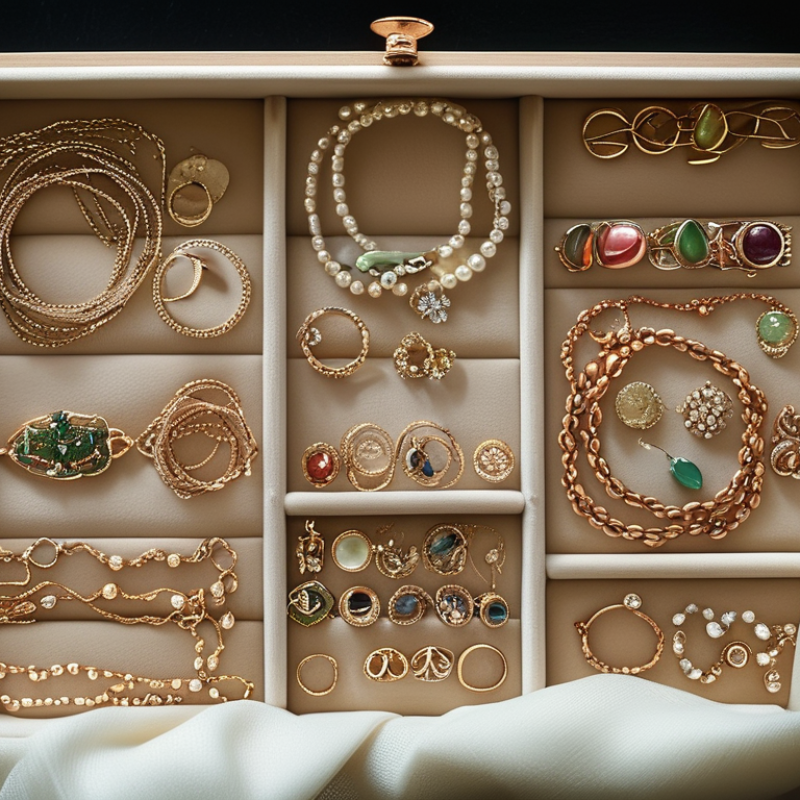
When it comes to storing delicate jewelry, the right materials can make a significant difference. A study from the Jewelry Industry Council shows that approximately 30% of jewelry owners encounter tarnishing issues due to improper storage. To combat this, using acid-free tissue paper is essential. It provides a soft cushion that prevents scratches while maintaining an optimal environment for your pieces.
Choosing airtight containers is another critical factor. Airtight storage blocks moisture, which is a significant catalyst for tarnishing. A report by the American Gem Society indicates that humidity levels above 50% can lead to faster tarnishing of metals like silver and copper. Silica gel packets can also be placed inside storage boxes, absorbing excess moisture. This simple addition creates a controlled environment.
Avoid generic jewelry boxes with felt lining, as they can contain harmful dyes. Instead, consider using wooden or bamboo boxes with non-toxic finishes. These materials are not only more eco-friendly but also reduce the risk of chemical reactions that can lead to oxidation. Organizing jewelry by type or karat can further prevent tangling and damage, ensuring that each item stays in pristine condition. Experiment with various materials and methods to find what works best for your collection.
When storing delicate jewelry, selecting the right location is crucial to prevent tarnishing. Choose a cool, dry space away from sunlight. Excess moisture can accelerate tarnishing, especially for silver and gold pieces. A jewelry box lined with soft fabric can help protect items from scratches. Consider using anti-tarnish pouches or cloths. They absorb moisture and can add an extra layer of protection.
Avoid storing jewelry in the bathroom. The humidity levels can be detrimental. A closet or dresser drawer is often better suited. However, ensure that it’s not too cramped; overcrowding can lead to scratches and damage. Use dividers to keep pieces separate. Even a simple cardboard divider can work effectively.
Stay mindful of temperature fluctuations. Extreme heat or cold can damage gemstones and metals. Jewelry should be kept in stable environments. Regularly checking items will also help. Look for signs of tarnishing or damage. These small habits can make a significant difference in preserving your treasured pieces over time.
| Storage Location | Description | Tarnishing Prevention Tips |
|---|---|---|
| Jewelry Box | A dedicated box designed for storing jewelry safely. | Use anti-tarnish strips and keep it in a dry place. |
| Soft Pouches | Fabric pouches that prevent scratches and dust. | Store each piece separately to avoid tangling. |
| Glass Display Case | An enclosed case to display jewelry while protecting it. | Keep away from direct sunlight and humidity. |
| Drawer with Dividers | Use a drawer with compartments to organize jewelry. | Line the drawer with anti-tarnish cloth. |
| Vacuum-Sealed Bags | Bags that minimize air exposure to jewelry. | Ensure they are moisture-free before sealing. |
When storing delicate jewelry, protection from tarnishing is crucial. Many people overlook the impact of environmental factors. Humidity, light, and air exposure can accelerate tarnishing, especially for silver and copper alloys. According to a report by the Jewelers of America, up to 80% of jewelry tarnishing is due to improper storage practices.
Using anti-tarnish products enhances protection significantly. These products often come in the form of cloths, pouches, or tabs. They work by absorbing moisture and neutralizing sulfur compounds in the air. A study from the National Jeweler found that jewelry stored in anti-tarnish pouches showed 70% less tarnishing over a six-month period compared to those stored without.
However, relying solely on these products can be misleading. They are not foolproof. Regular cleaning and maintenance are also needed, as dirt and skin oils contribute to tarnish. Regular checks on stored jewelry can prevent unpleasant surprises. It’s essential to find a balance between using protective products and maintaining proper cleaning habits.
Maintaining delicate jewelry requires consistent care and attention. Regular cleaning is essential to keep pieces looking their best. Use a soft cloth to gently wipe away dirt and oils after wearing. Sometimes, I forget this step, leading to dullness over time. For more thorough cleaning, warm soapy water with a soft brush can do wonders. However, always check if your jewelry can withstand such cleaning methods.
Storage also plays a crucial role in preserving jewelry. Use a fabric-lined box or individual pouches for each piece. This helps prevent scratches and tangles. Avoid storing them in direct sunlight, which can cause discoloration. I’ve learned the hard way that even a small exposure can affect the shine. Remember to separate metals to avoid tarnishing. It’s easy to neglect these details, but investing time in proper storage pays off in the long run.
Occasional inspections are important too. Check for loose stones or signs of wear. I often overlook this, only to find issues later. Taking the time to assess your jewelry can save you from bigger repair costs in the future. Keeping these practices in mind will help ensure that your delicate pieces remain beautiful and wearable.
When it comes to organizing delicate jewelry, preventing scratching and damage is crucial. Reports indicate that up to 70% of jewelry damage occurs during storage. Using compartmentalized jewelry trays can significantly reduce this risk. Keeping pieces separate not only prevents scratches but also avoids tangling, which can lead to breakage.
Another important factor to consider is the material of your storage solutions. Soft linings in boxes or cases can provide cushioning for more fragile items. Studies show that silver jewelry can tarnish in less than a month if not stored properly. Using anti-tarnish pouches or cloths is wise. Many experts suggest storing jewelry in a cool, dry place to minimize humidity.
Regularly checking the condition of your jewelry also matters. Some signs of wear may go unnoticed. Tiny scratches and dull spots can accumulate over time. Monthly inspections can help identify issues early, allowing for timely polishing or repairs. Giving attention to these details can lengthen the life of your cherished pieces.
: Acid-free tissue paper is essential. It cushions jewelry and prevents scratches while keeping a stable environment.
They block moisture, reducing tarnishing. Humidity over 50% can harm metals like silver and copper.
Yes, silica gel packets absorb excess moisture. They help create a controlled storage environment for your pieces.
They may have harmful dyes. Wood or bamboo boxes with non-toxic finishes are safer for your jewelry.
Use compartmentalized trays. Keeping pieces separate reduces scratches and tangling, minimizing risks of breakage.
Use anti-tarnish pouches or cloths. Store in a cool, dry place to prevent tarnishing and damage.
Monthly inspections are wise. You'll catch tiny scratches and dull spots before they become bigger issues.
Soft linings cushion delicate pieces. They help protect from scratches and potential damage during storage.
Not recommended. Mixing different types can lead to tangles and scratches, affecting jewelry lifespan.
Yes, high humidity can accelerate tarnishing. Keeping jewelry in a controlled environment really helps maintain its condition.
When considering how to store delicate jewelry to prevent tarnishing, it is essential to start by selecting the right storage materials. Opt for acid-free boxes or pouches lined with soft fabric to shield your pieces from dust and moisture. Choosing appropriate storage locations, such as a cool, dry area away from direct sunlight, further minimizes the risk of tarnishing.
Incorporating anti-tarnish products, like cloths or strips, can provide added protection for your jewelry. Regular maintenance practices, including polishing and cleaning, help maintain its shine and condition. To avoid scratching and damage, organize your jewelry carefully, keeping individual pieces separated and stored securely. By following these guidelines, you can effectively preserve your delicate jewelry for years to come.

LAHD Bag