How to Clean Mold Off Jute Burlap Bags Safely

Time:2026-09-25 Author:Amelia
0%

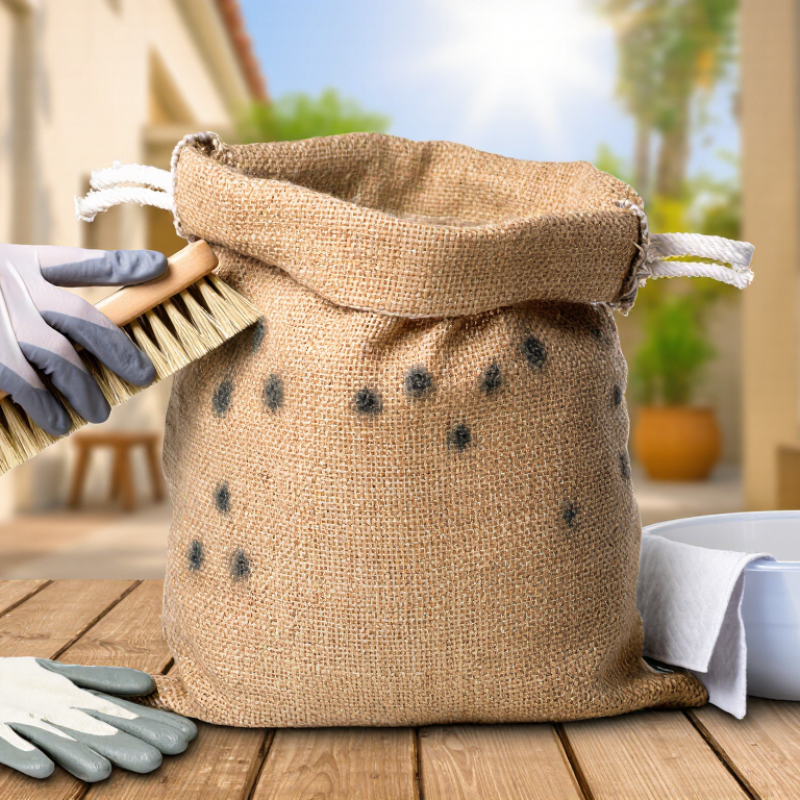
How to clean mold off jute burlap bags starts with one careful choice: keep the fibers as dry as possible. Jute is porous. It can absorb water, hold odors, and weaken when soaked. A bag with a few surface spots may respond to gentle brushing outdoors, followed by thorough air-drying in a shaded, well-ventilated place. Use a soft brush. Avoid scrubbing hard. Dampness can spread mold deeper into the weave, so resist the urge to rinse the whole bag.

Before cleaning, check the care label and inspect seams, handles, and any printed coating. Wear gloves, and avoid breathing in loose spores. If the bag is valuable, heavily affected, or still smells musty after drying, stop and seek professional textile-care advice. Cleaning may improve its appearance without removing every stain. That distinction matters.

A named expert quotation was not included with the supplied material, so I will not invent one or misattribute advice. A reliable guide should make its sources clear. For now, the safest principle is simple: use the least moisture and friction that can reasonably do the job. Small steps. Careful drying. This approach is practical, but not a guarantee; old jute can remain discolored or fragile even after visible mold is addressed. Examine it again once fully dry.
How to Clean Mold Off Jute Burlap Bags Safely

Understanding Mold Risks on Jute Burlap

Jute burlap is made from plant fibers, so its rough weave can hold dust and moisture between strands. Seams, folded corners, and damp storage areas may stay wet longer than the bag’s exposed surface suggests. Mold can then grow on the fibers or on dirt caught in the weave. A musty smell or small, fuzzy spots deserve attention. Color alone is not a reliable way to identify mold.

The World Health Organization’s 2009 report, WHO Guidelines for Indoor Air Quality: Dampness and Mould, found that damp buildings were associated with roughly 1.5 to 2 times the risk of several respiratory effects. That figure concerns buildings, not burlap bags, so it should not be treated as a bag-specific risk estimate. Still, it supports taking indoor dampness seriously, especially around people with asthma or mold allergies. The U.S. Environmental Protection Agency advises drying wet materials within 24–48 hours to help prevent mold growth. Not a guarantee. Jute’s uneven texture can make full drying harder to judge; a bag may feel dry outside while its seams remain damp. Avoid shaking visibly moldy fabric indoors, since this can spread spores into the air.

Checking the Bag and Preparing a Safe Work Area

Before cleaning, inspect the jute burlap bag in a well-ventilated outdoor spot. Look closely at the seams, folds, handles, and lining, where mold can hide. Note whether the growth is limited to a few small patches or spread across much of the bag. Don’t sniff it closely or shake the fabric; either action can disturb moldy dust. If the bag is heavily affected, or anyone handling it has asthma or mold sensitivity, consider getting professional advice instead.

Prepare a work area away from children, pets, and open windows. Lay down a disposable sheet or tarp, and keep the bag separate from clean belongings. Wear gloves, eye protection, and a well-fitting mask. Set out a waste bag for debris, but don’t start brushing yet. Avoid strong airflow that could carry dust around. Jute is coarse and absorbent, so it can be hard to judge how deeply mold has settled. I’d rather pause than assume a dark stain is harmless.

Tips: Photograph the affected areas before treatment, and check nearby items for spots or musty odors. Keep cleaning supplies simple; never mix cleaning products. If you’re unsure whether the bag is safe to handle, step back and seek qualified guidance.

Removing Loose Mold Spores Outdoors

How to Clean Mold Off Jute Burlap Bags Safely

Removing Loose Mold Spores Outdoors

Take the bag outside before disturbing it. Choose a calm day, away from doors, open windows, pets, and laundry. Wear a well-fitting N95 respirator, gloves, and eye protection. Don’t shake the bag or use compressed air; both can scatter spores. Lay it on disposable plastic, then use a soft brush with slow, light strokes. Work away from your face. Jute sheds easily, so stop if the weave starts fraying.

Tips: EPA’s Mold Remediation in Schools and Commercial Buildings uses 10 square feet as a practical threshold for small cleanup jobs. That is not a bag-specific safety guarantee. If growth covers a large area, or the bag smells strongly musty, avoid brushing it and consider disposal. Seal used plastic and debris before putting them in the trash.

Inspect the bag in bright light after brushing. A HEPA-filtered vacuum may collect remaining loose debris, but test a small area first; the rough weave can snag. Don’t assume the visible mold is the whole problem. If the burlap is still damp, dry it fully in a well-ventilated outdoor spot, out of direct sun. A faint stain may remain, and that’s not proof the bag is clean. If mold returns, replace the bag rather than repeating a dusty cleanup.

How to Clean Mold Off Jute Burlap Bags Safely - Removing Loose Mold Spores Outdoors

Stage What to do Practical guidance Check before moving on
1. Assess the bag Inspect the jute outdoors before handling it more than necessary. If mold covers a large area, the bag smells strongly musty, or the fabric is weak or badly stained, consider discarding it. Do not clean a moldy bag used for food storage unless it can be safely and thoroughly decontaminated. Decide whether the bag is suitable for cleaning and later reuse.
2. Protect yourself Wear disposable gloves, eye protection, and a well-fitting N95 respirator or equivalent. Avoid cleaning if you have asthma, a mold allergy, chronic lung disease, or a weakened immune system; ask someone else to handle it or seek professional advice. Keep children and pets away from the work area.
3. Set up outdoors Choose a calm, open-air spot away from doors, windows, and people. Place the bag on a disposable sheet or a surface that can be cleaned. Avoid windy conditions, which can carry loose spores to nearby areas. Keep the bag outdoors throughout loose-spore removal.
4. Remove loose mold gently Use a HEPA-filter vacuum with a soft brush attachment, if available, and work slowly over both sides and seams. Do not shake, beat, or vigorously brush the bag. These actions can send spores into the air. Avoid using a regular vacuum without suitable filtration. Stop if the fabric begins to fray or shed heavily.
5. Contain debris Carefully fold or roll the disposable sheet inward and bag it for disposal. Follow the vacuum manufacturer’s instructions for handling its contents; keep collected debris sealed and avoid emptying it indoors. Do not carry loose debris through the home.
6. Decide whether further cleaning is appropriate After loose material is removed, check the care instructions and the bag’s condition before using any cleaning method. Jute is a plant-based fiber that can shrink, weaken, or become misshapen when soaked. Do not mix cleaning products or apply bleach or other chemicals without confirming they are suitable for the material. If substantial mold remains, replacement is often the safer option for an inexpensive bag.
7. Dry completely If the bag is only lightly damp, let it air-dry fully in a well-ventilated outdoor area. Keep it off damp ground and out of rain. A shaded, breezy location can reduce the risk of fading while allowing airflow. Do not store the bag until it is completely dry and has no persistent musty odor.
8. Clean up and prevent recurrence Clean reusable tools according to their instructions, remove protective gear carefully, and wash your hands. Store the dry bag in a clean, dry, ventilated place. Avoid sealed storage while the fabric is damp, since trapped moisture encourages mold growth. Recheck the bag before reuse; discard it if mold or a musty smell returns.

Cleaning Jute Fibers with a Gentle Solution

How to Clean Mold Off Jute Burlap Bags Safely
Cleaning Jute Fibers with a Gentle Solution

Take the bag outside before cleaning, and avoid shaking it. Wear gloves and a well-fitting mask, especially if visible mold covers a large area. Check the care label first. Jute absorbs moisture readily, so a soak can leave fibers damp inside even when the surface feels dry.

Mix a small amount of mild, unscented dish soap into cool water. Test the solution on a hidden corner and let it dry to check for color changes. If the fabric looks unchanged, dampen a clean cloth and blot the moldy spots gently. Use as little water as possible. Scrubbing harder may seem helpful, but it can roughen the weave and push marks deeper. That part is easy to misjudge.

Wipe away soap with another cloth dampened in clean water, then press the bag between dry towels. Lay it flat in a breezy, shaded place until fully dry, turning it occasionally. Don’t use a heater or put it away while damp. Jute can retain moisture in its thick seams. If mold remains widespread, the smell persists, or fibers feel weakened, home cleaning may not be enough; replacing the bag may be the safer choice.

Drying the Bag and Preventing Mold Recurrence

After cleaning, press the jute bag between clean towels to lift out moisture; don’t wring it, since wet fibers can distort. Open every seam and pocket, then lay the bag flat on a dry rack in moving air. Turn it over every few hours. The CDC says mold can begin growing on damp materials within 24–48 hours, so drying needs to start promptly. It may feel dry outside while seams remain damp.

Keep the bag away from walls and other stored textiles until it is completely dry. A fan helps; intense heat can make natural fibers brittle, so skip the radiator and hot dryer. The U.S. Environmental Protection Agency recommends keeping indoor relative humidity below 60%, ideally between 30% and 50%. A small hygrometer can help check a storage room. One easy mistake is putting the bag away because its surface feels dry. Check the handles and folded corners, too.

Tips: Leave the bag open overnight, then smell and inspect it in daylight. If mustiness returns, or spots remain, avoid sealing it in plastic; repeat careful cleaning or seek textile-cleaning advice. Store it loosely in a dry, ventilated place, not against a damp basement wall. One caveat: jute can stain, and aggressive scrubbing may roughen its weave.

FAQS

Why can mold grow on jute burlap?

Jute’s rough plant fibers can trap dust and moisture. Seams, folds, and handles may stay damp longer than the outer surface.

What signs should I look for?

Check for musty odors and small, fuzzy patches, especially in seams and folded corners. Color alone cannot confirm mold. Don’t sniff closely.

Does a musty bag mean it is unsafe?

It deserves careful attention, but building-related health statistics are not bag-specific risk estimates. People with asthma or mold sensitivity should be especially cautious. I might be overly careful here, but guessing is not useful.

How should I prepare before handling the bag?

Inspect it outdoors in a well-ventilated spot. Wear gloves, eye protection, and a well-fitting mask. Keep children and pets away, and don’t shake or brush visible growth.

When should I seek professional advice?

Consider qualified guidance if mold covers much of the bag or someone handling it has asthma or mold sensitivity. If you’re unsure, pause. That’s easy to overlook.

How can I dry the bag after cleaning?

Press it between clean towels; don’t wring it. Open seams and pockets, then lay it on a dry rack with moving air. Turn it every few hours.

Is a dry outer surface enough?

No. Handles, seams, and folded corners can remain damp. Start drying promptly; damp materials can develop mold within 24–48 hours. Check inside, too.

How should I store the bag to help prevent mold?

Store it loosely in a dry, ventilated place, away from damp walls and other textiles. Keep indoor humidity below 60%, ideally between 30% and 50%.

What should I avoid while drying or storing it?

Skip intense heat, which may make natural fibers brittle. Don’t seal a musty bag in plastic. If spots or odors return, seek textile-cleaning advice. I’d rethink storage first.

Conclusion

How to clean mold off jute burlap bags starts with recognizing that mold can irritate the skin and airways, while excessive moisture may weaken natural jute fibers. Inspect the bag for extensive growth, stains, or damage, and work outdoors or in a well-ventilated area. Wear gloves and a protective mask, keep the bag away from other fabrics, and avoid shaking it indoors.

Gently brush loose mold from the bag outside, then test a small hidden area with a mild cleaning solution. Dab affected spots with a lightly damp cloth rather than soaking the jute, and avoid harsh scrubbing that could fray the fibers. Let the bag dry completely in a well-ventilated place before storing it. To help prevent mold from returning, keep it dry, allow airflow around it, and store it away from damp areas.

Amelia

Amelia

Amelia is a seasoned marketing professional with a wealth of expertise in our company’s core offerings. With an unwavering passion for driving growth and innovation, she plays a pivotal role in shaping our marketing strategies and enhancing brand visibility. A key aspect of her responsibilities......