Organza bags look delicate, but their care depends on the fiber, stitching, dye, and drawstring design. Silk organza can react badly to heat, while polyester organza usually tolerates gentle washing better. Always check the care label first. If no label exists, treat the bag as fragile. That small decision can prevent shrinking, dye transfer, or permanent creases.
The question is simple: How to wash organza bags without ruining them? Begin with a cool water test on an hidden seam. Use a white cotton swab and a tiny amount of mild detergent. If color appears, stop. A practical hand-washing method uses cool water, light pressing, and no twisting. Rinse carefully, then place the bag between clean towels. Air-dry it away from direct sunlight. Do not wring it. Do not use a heated dryer.
This caution also supports wider textile sustainability goals. The United States Environmental Protection Agency reported that 17 million tons of textiles entered the municipal waste stream in 2018. About 11.3 million tons were landfilled. WRAP’s Valuing Our Clothes report found that extending clothing life by nine months can reduce carbon, water, and waste footprints by approximately 20–30%. Organza bags are smaller, but repeated careful use still matters.
There is no universal formula. I have learned that even “gentle” detergent may leave marks on dark organza. A cool rinse can also reveal weak seams. That is frustrating, yet useful. Careful inspection remains more reliable than assumptions. This guide explains cleaning, drying, stain testing, and storage methods based on fabric behavior and practical handling experience.
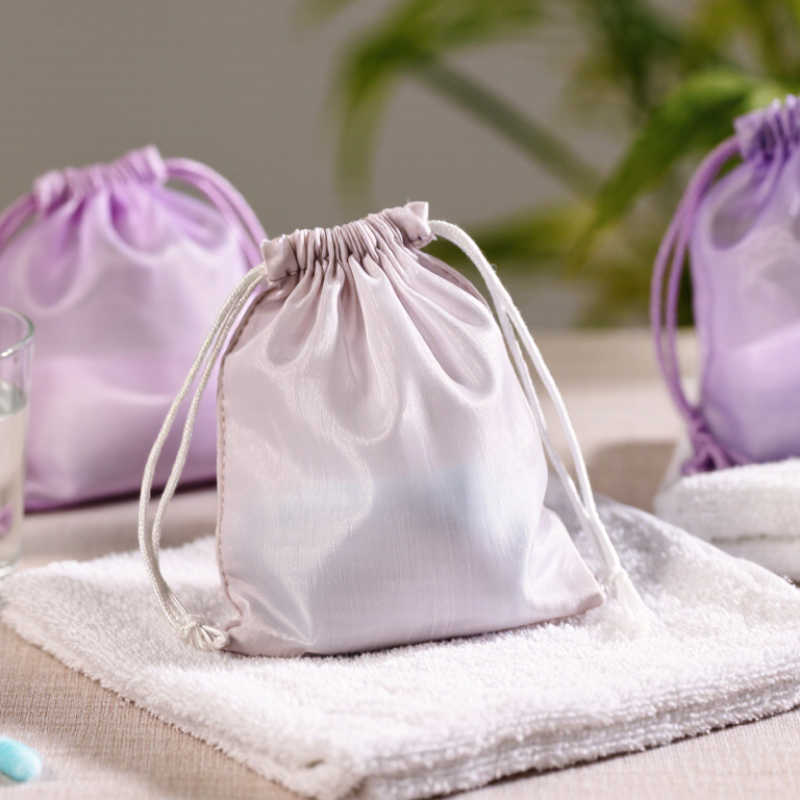
How to Wash Organza Bags Without Ruining Them?
Check the fabric before adding water. Organza may be silk, polyester, or nylon, and each fiber reacts differently. Textile Exchange’s 2024 Materials Market Report states that polyester represented about 57% of global fiber production in 2023. Still, a polyester organza bag is not automatically washable. Read the care label, then inspect the seams, ribbon, beads, and glued decorations. Water can loosen adhesive and distort delicate trim.
Test a hidden corner first. Use cool water and a small amount of mild detergent. Gently move the bag for two or three minutes. Do not scrub, twist, or wring it. Press water out with a clean towel instead. AATCC TM61 measures colorfastness during accelerated laundering, but it is a laboratory method, not a promise for home washing. Silk organza may need professional cleaning, especially when the label says “dry clean only.” I once might have treated a sheer pouch like ordinary laundry; that would be careless. Its surface can crease quickly.
Tips: Remove loose contents and metal charms before washing. Place the bag in a mesh pouch only if the trim is secure. Rinse briefly, reshape the corners, and air-dry it flat away from direct sunlight. Avoid a dryer. If the fabric becomes cloudy, the ribbon bleeds, or the lining puckers, stop washing and seek a textile-care professional. Low heat may smooth polyester organza, but use a pressing cloth and test an unseen area first.
Before washing an organza bag, inspect its care label and overall condition. Look for loose threads, weak seams, stains, or damaged drawstrings. Empty every pocket and gently shake out dust. I once skipped this inspection and pulled a loose thread during cleaning. That shortcut was a mistake.
Prepare a clean basin, lukewarm water, and a small amount of mild liquid detergent. Avoid bleach, fabric softener, and strong stain removers. They may weaken organza fibers or affect its finish. Use a soft, clean towel nearby for pressing out moisture. A white towel is safer because colored fabric can transfer dye. If the bag has metal beads or decorations, cover them with a thin cloth when possible. This extra step takes little time.
Tips: Test the detergent on a hidden corner first. Use only a drop. If the fabric changes color or texture, stop and choose a gentler method. Keep scissors away from loose threads; trimming them can make the damage worse. I prefer preparing everything before adding water, because wet organza becomes harder to handle. Place the basin on a stable surface, away from direct sunlight and heat. Hot water can shrink or distort delicate material. A little patience helps, although I still sometimes underestimate how easily organza creases.
Organza bags look delicate, but their crisp shape depends on careful handling. Check the care label first, because organza may be polyester, nylon, or silk. The material changes the safest washing method. Textile Exchange’s 2024 Materials Market Report states that polyester represented about 57% of global fiber production in 2023. That makes synthetic organza common, but not automatically tough.
Wash the organza bag gently by hand. Fill a clean basin with cool water and add a few drops of mild detergent. Soak the bag for five minutes, then move it slowly through the water. Do not scrub, twist, or wring it. Those actions can create permanent creases or pull the fine threads. Use a soft cotton cloth for one stained area. Rinse twice in cool water until no foam remains. A little patience matters.
Place the wet bag between two clean towels and press lightly. Never squeeze it into a tight ball. Reshape the bag while damp, then hang it indoors away from direct sunlight. WRAP’s Valuing Our Clothes report estimates that extending clothing use by nine months can reduce carbon, water, and waste footprints by 20–30%; gentle care supports that principle. I would still test detergent on an inside seam first. Water temperature, dye stability, and stitching can vary, so one method cannot fit every bag.
Organza can crease, snag, and lose its crisp shape during washing. Polyester organza is common; Textile Exchange’s Materials Market Report 2024 estimates polyester represented about 57% of global fiber production in 2023. Silk organza needs gentler handling because moisture and friction can affect its surface.
Use cool water, around 30°C or lower. Add a small amount of mild detergent. Avoid bleach and fabric softener. Press the bag underwater instead of rubbing it. Rinse twice until the water runs clear. Do not twist it.
Moisture removal matters most. Place the rinsed bag between two clean towels. Press gently with your palms. Never wring it. Then reshape the seams, corners, and drawstring while the fabric remains damp. Hang it briefly in shade, or lay it flat on a dry towel. Keep it away from radiators and strong sunlight.
Not perfectly dry.
A practical mistake is leaving organza in water too long. Five to ten minutes is usually enough for light soil. The International Organization for Standardization’s ISO 6330 washing procedures also emphasize controlled temperature, agitation, and drying conditions during textile testing. Home washing is less precise, so test an unseen area first. A mesh bag may reduce snagging, but it can also trap moisture. Check the fabric by hand before storing it.
Organza bags need gentle handling because their fine weave can crease, stretch, or lose its crisp shape. Check the care label before washing. If no instructions exist, use cool water and a small amount of mild detergent. Soak the bag briefly, then move it slowly through the water. Avoid brushes, bleach, and vigorous rubbing. Rinse until the water runs clear. Do not wring it. Press out moisture with your hands instead.
I once twisted an organza pouch to remove water, and its drawstring channel stayed uneven. That mistake stayed with me. Lay the damp bag flat on a clean, dry towel. Reshape the base, corners, seams, and opening with your fingers. Air circulation matters. Keep it away from radiators, hair dryers, and strong sunlight, which may cause uneven drying or fading. Hang it only when the fabric is supported and not stretched by heavy moisture.
Shape matters. As the bag dries, check it once or twice and smooth any new folds. If the fabric feels slightly stiff, gentle steaming from a safe distance may help, but never press a hot iron directly against organza. Store the completely dry bag flat or loosely filled with plain tissue paper. Avoid tight stacking, damp drawers, and sharp objects nearby. A little space helps the fabric keep its original form.
Use cool water, around 30°C or lower. Hot water may damage fibers, dyes, or stitching.
Yes, hand washing gives better control. Move it slowly through cool water.
Soak it for five to ten minutes. Longer soaking may weaken dyes or leave the fabric misshapen.
Use a few drops of mild detergent. Test it on an inside seam first.
No. Press the stained area gently with a soft cotton cloth. Rubbing can cause snags and permanent creases.
Rinse it twice in cool water until no foam remains. Do not wring it.
Place the wet bag between two clean towels. Press lightly with your palms.
Reshape the seams, corners, and drawstring while damp. Hang it indoors in shade, or lay it flat on a dry towel.
Avoid bleach and fabric softener. Keep the bag away from radiators and strong sunlight.
Handle it extra gently because moisture and friction may affect its surface. I would consider professional care if unsure.
Learning how to wash organza bags without ruining them starts with checking the fabric, decorative trim, and care requirements. Before cleaning, empty the bag, remove dust gently, and prepare cool water, a mild detergent, and a clean towel. Avoid harsh chemicals, hot water, and rough tools, as they may weaken the delicate material or damage attached details.
Wash the organza bag by hand with gentle movements, allowing the water and detergent to clean the fabric without vigorous rubbing or twisting. Rinse it thoroughly in cool water until no soap remains. To remove excess moisture, place the bag between clean towels and press lightly instead of wringing it. Reshape the bag while it is damp, then let it air-dry naturally away from direct heat and strong sunlight. Once completely dry, store it in a clean, dry place without heavy items on top to help preserve its shape and appearance.
LAHD Bag