 LAHD Bag
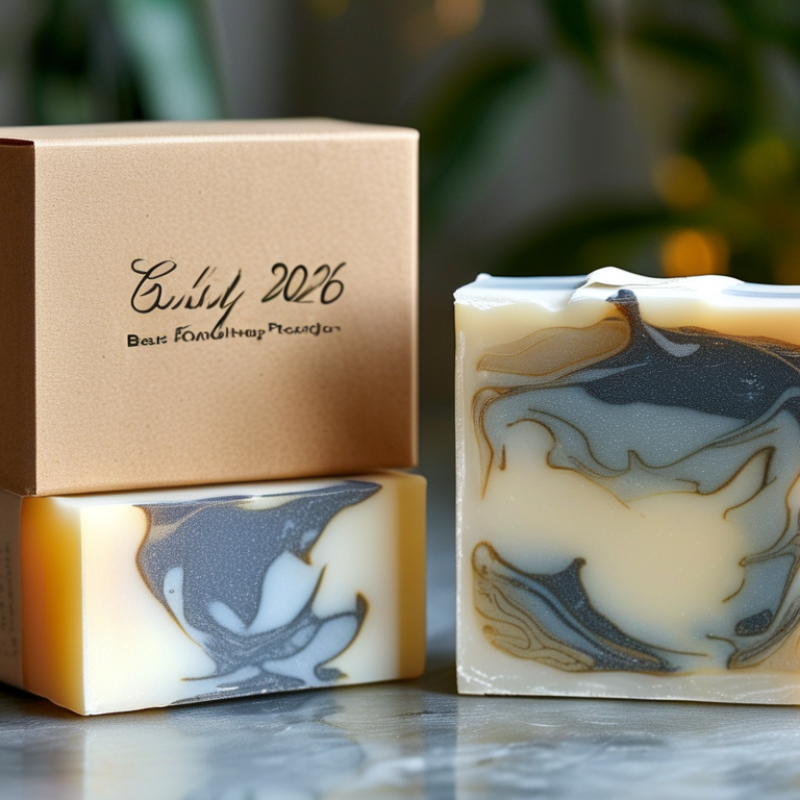
2026 Best Handmade Soap Packaging: How to Choose?
Choosing packaging materials for handmade soap requires more than attractive design. The material must protect the bar from humidity, dust, fragrance loss, and surface damage. Kraft paper feels natural, but uncoated paper may absorb oils or soften in damp rooms. Coated paperboard offers better protection while remaining lightweight. Glass looks premium and resists scent transfer, but it adds weight and can break during delivery. Aluminum is durable and moisture-resistant, although it may dent easily. Recycled plastic can provide strong protection, but some customers may question its environmental impact. Material choice should match the soap formula, storage conditions, and shipping method.
Tips: Test packaging before ordering in bulk. Place fully cured soap bars inside three material samples. Store them in a warm, humid room for several days. Check for stains, softened edges, trapped condensation, or fading fragrance.
Ask suppliers for material specifications, ink details, adhesive suitability, and recycled-content information. Packaging that touches soap should be tested carefully. Do not rely on appearance alone.
I once preferred thin paper because it looked simple and handmade. It failed during humid storage. That mistake changed my approach. Herbal soaps with rough leaves or seeds need stronger inner protection.
Smooth bars may work well with folded paperboard sleeves. A small ventilation gap can help, but too much airflow may reduce scent retention. Include accurate ingredients, net weight, batch details, and required information under local packaging rules. A beautiful package is useful only when it protects the soap reliably.
