Choosing a safe nylon drawstring backpack begins with a question many product pages answer poorly: What is the weight limit for nylon drawstring backpacks? There is no universal limit. Capacity depends on fabric denier, stitching, cord thickness, eyelets, seam construction, and how the load hangs against the shoulders. A thin promotional bag may carry a light jacket and notebook. It should not automatically carry gym shoes, water bottles, and heavy textbooks together.
The U.S. Consumer Product Safety Commission’s drawstring guidance concentrates on entanglement risks, not a universal carrying capacity. ASTM and ISO textile-testing principles also evaluate specific materials or components, rather than approving every finished backpack for one weight rating. That distinction matters. A laboratory fabric-strength result does not equal a reliable everyday load limit. Textile engineer Subhash C. Anand offers a useful principle: “A fabric’s strength is only one part of a finished product’s performance.” The seams often fail first.
A practical evaluation should inspect the bag under controlled, realistic loading. Add weight gradually. Check whether the bottom stretches, the cord cuts into the channel, or stitching opens near the corners. Stop when deformation appears. For regular use, a manufacturer’s tested rating is more dependable than a retailer’s vague “heavy-duty” label. Even then, the rating may assume balanced contents and careful handling. That assumption deserves scrutiny. A rough 5-kilogram load can create sharper stress than a calm, evenly distributed load of the same weight. This guide examines testing evidence, construction details, and everyday use conditions, so buyers can choose a nylon drawstring backpack with fewer guesses and safer expectations.
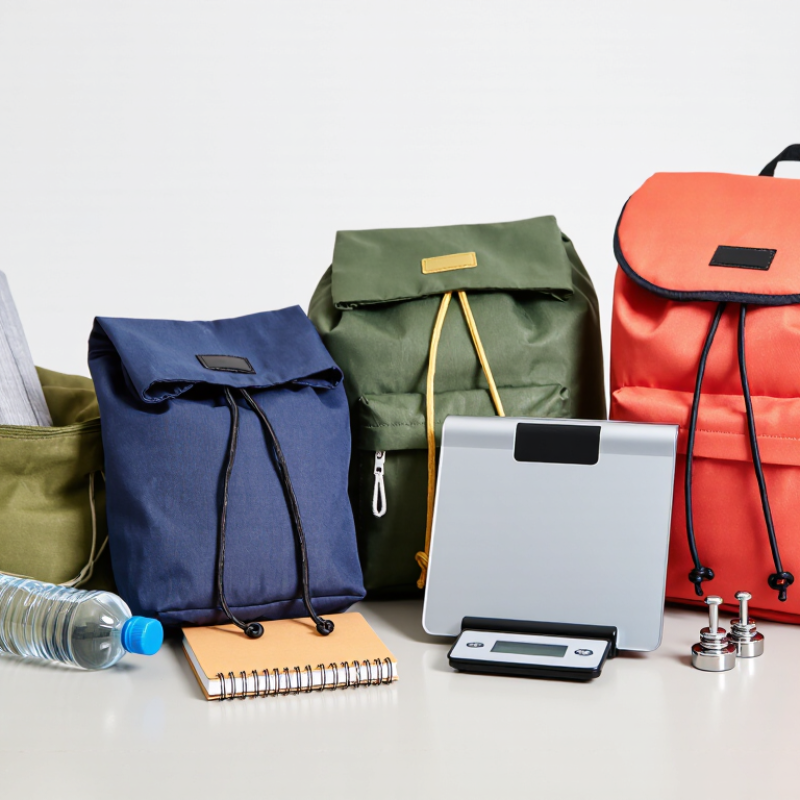
A nylon drawstring backpack’s weight limit depends on more than the fabric. Stitching, cord thickness, lining, and bottom-panel construction also matter. There is no universal weight rating. A thin, unlined bag may handle only light items, while reinforced nylon can carry more. Many basic drawstring bags are best kept around 2–5 kilograms, unless the manufacturer provides a tested rating.
Start low. Place books or clothing inside, then lift the bag by both cords. Check the seams, corners, and cord channels for stretching or puckering. A practical test is to carry the load for ten minutes and inspect the fabric afterward. If the bag feels strained, reduce the weight. The printed rating should guide you, but it is not a promise under every condition.
Weight distribution changes comfort and durability. Keep dense objects close to your back, and avoid sharp edges touching the nylon. Wet items may add unexpected weight. Repeated overloading can weaken stitches before the fabric visibly tears. I have found that users often judge capacity by space, not strength. That assumption needs reconsidering. A full bag is not automatically a safe bag. Heat, moisture, worn cords, and frequent dragging can also reduce its useful limit.
Weigh all contents together, including water, clothing, books, and accessories. Add at least 25% above the total weight. A five-kilogram load needs a bag tested beyond 6.25 kilograms.
No. Treat it as guidance, not a comfortable daily goal. Real movement includes stairs, sudden turns, and uneven packing. A lower personal limit is usually safer.
Pack the actual items and walk for ten minutes. Notice shoulder tension, swinging fabric, and upper-back pressure. Stop and reduce the load if discomfort appears.
Keep books, bottles, and dense tools close to your back. Center them instead of placing them at the bottom. Soft clothing can cushion hard edges.
Watch for stretched seams, loose stitching, frayed cords, fabric thinning, or a distorted bottom panel. Cords digging into your neck also matter. Small failures become sudden ones.
A child’s load should generally stay near 15% or less of body weight. For a 40-kilogram child, six kilograms is already a practical ceiling. A lighter load is wiser with thin cords or weak seams.
Weigh the normal contents first. Choose a listed capacity at least 20% above that regular load. A 60-kilogram adult may need only three to six kilograms for daily items.
Yes. Wet clothing adds weight and may shift inside the bag. I once underestimated this, and the bottom seam began showing strain. My checking routine was not perfect.
Pull both cords evenly, so the backpack rests between your shoulder blades. If one cord presses your neck, rearrange or reduce the contents. Balance matters more than fullness.
Stop when cords fray, stitching loosens, or seams remain stretched. Do not wait for visible tearing. Five minutes of inspection can prevent a failed carry.
Choosing the right nylon drawstring backpack weight limit starts with understanding that capacity depends on the fabric, stitching, cord strength, seams, and overall construction quality. The keyword “What is the weight limit for nylon drawstring backpacks” does not have one universal answer, because different designs are made for different purposes. A lightweight bag may suit clothing, books, or small personal items, while a reinforced model may safely carry heavier daily loads.
To select the appropriate capacity, consider how you intend to use the backpack and estimate the total weight of everything you plan to carry. Avoid filling it beyond its practical limit, as excessive weight can damage the seams, stretch the fabric, or cause the cords to fail. Comfort and safety are equally important: distribute items evenly, keep heavier objects close to your back, and choose adjustable cords that do not dig into your shoulders. The best backpack is one that offers a suitable weight capacity without sacrificing durability, balance, or comfortable movement.

 LAHD Bag