How to Choose Eco Friendly Packaging Bags for Your Business Benefits?

Time:2026-07-02 Author:Oliver
0%

In today's world, environmental concerns are at the forefront of consumer choices. Businesses are increasingly seeking ways to minimize their ecological footprint. One effective method is to adopt eco-friendly packaging bags. These bags not only serve a practical purpose but also communicate a brand's commitment to sustainability.

What are the benefits of eco friendly packaging bags? Firstly, they help reduce waste and pollution. Traditional packaging materials contribute significantly to landfill issues. Eco-friendly options often biodegrade or recycle better, which is a win for our planet. Moreover, using sustainable materials can enhance a business's brand image. Today’s consumers prefer brands that prioritize environmental responsibility.

However, transitioning to eco-friendly packaging requires careful consideration. Some businesses may face challenges in sourcing quality materials. Others might worry about cost implications. Thus, choosing the right packaging involves thoughtful evaluation. A successful switch can lead to greater customer loyalty and a positive impact on the environment. Engaging in this process invites reflection on the broader implications for the business and the planet.
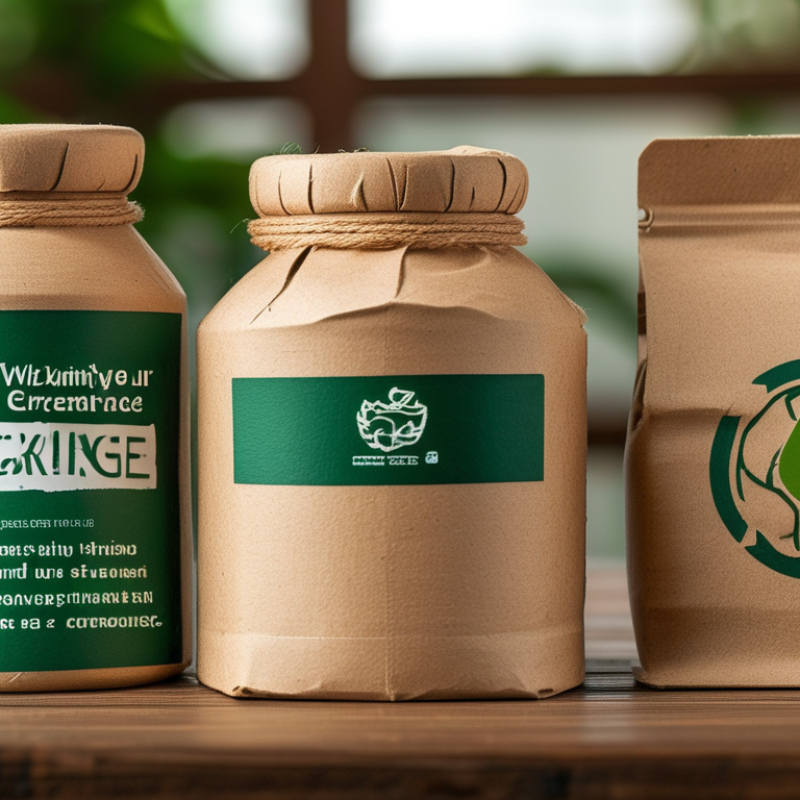
How to Choose Eco Friendly Packaging Bags for Your Business Benefits?

Understanding Eco-Friendly Packaging Bags and Their Benefits

Eco-friendly packaging bags are gaining traction among businesses. These bags are made from sustainable materials that minimize environmental impact. Choosing the right type can enhance your brand image. It shows commitment to sustainability, appealing to eco-conscious consumers.

Understanding benefits is crucial. Eco-friendly bags reduce waste and pollution. They often require less energy to produce compared to traditional options. Many biodegradable and compostable choices exist, catering to different needs. Customers appreciate brands that prioritize the planet. This can lead to increased loyalty and repeat purchases.

Not all eco-friendly bags are created equal. Some may not perform well in different conditions. Consider durability, size, and aesthetics when making your choice. Testing various options can be insightful. Feedback from customers can guide further improvements. Embracing eco-friendly solutions will likely reflect positively on your business in the long run.

Eco-Friendly Packaging Bags: Key Features and Benefits

Feature Description Benefits
Biodegradability Made from materials that break down naturally in the environment. Reduces landfill waste and pollution.
Recyclability Can be processed and reused in manufacturing. Contributes to a circular economy and reduces resource consumption.
Sustainability Produced from renewable resources that are replenished naturally. Minimizes the ecological footprint and promotes environmental health.
Bioplastics Made from plant materials like cornstarch or sugarcane. Non-toxic, less harmful than traditional plastics.
Customizability Available in various sizes, shapes, and designs. Enhances brand visibility and marketing appeal.
Cost-effectiveness While potentially higher upfront, they can reduce disposal costs over time. Improves long-term financial performance and supports sustainability goals.

Identifying the Right Materials for Sustainable Packaging Solutions

When selecting eco-friendly packaging bags, the choice of materials plays a crucial role. Sustainable materials like biodegradable plastics, recycled paper, and organic cotton are excellent choices. Incorporating these materials can significantly reduce your environmental impact. Biodegradable plastics break down naturally, while recycled paper decreases waste. Organic cotton, derived from non-GMO plants, is another viable option.

Tips: Consider sourcing materials from local suppliers. This can minimize carbon footprints and promote community engagement. Assess the lifecycle of each material. Understand how they’re produced and disposed of. Collaborating with suppliers can lead to innovative solutions that prioritize sustainability.

On the other hand, it’s essential to recognize the potential drawbacks. Some eco-friendly materials may have higher production costs. Packaging durability could be compromised with certain biodegradable options. Balancing cost and sustainability is challenging but necessary. Regularly review your choices and adapt as new materials become available. This ongoing commitment to improvement is vital for a responsible business model.

Evaluating the Environmental Impact of Different Packaging Choices

When choosing packaging bags, consider their environmental impact. Different materials have various effects on nature. Plastic bags may serve a purpose but become waste in landfills. They take years to decompose. On the other hand, paper bags are biodegradable but may require more resources for production. Their lifecycle must be evaluated carefully.

Recycled materials offer a potential compromise. Utilizing recycled plastics or papers can reduce waste. However, the recycling process itself can have a carbon footprint. Investigating your options is crucial. Not all recycled products are created equal. The sourcing and energy used in production matter significantly.

Don't overlook the importance of consumer perception. Eco-friendly packaging can attract environmentally conscious buyers. Still, it is essential to ensure that your claims are true. Misleading assertions can harm a company's reputation. Balancing sustainability with practicality remains a challenge. Reflect on your goals when selecting packaging.

Comparing Cost-Effectiveness of Eco-Friendly versus Traditional Packaging

When considering eco-friendly packaging, a key factor is cost-effectiveness. Many businesses fear that switching to sustainable materials will strain their budget. However, this view often overlooks the long-term savings associated with eco-friendly options. For example, biodegradable bags can be more affordable over time due to reduced waste disposal fees. These bags take less time to decompose, allowing businesses to cut down on landfill costs.

Traditional packaging may seem cheaper upfront. But hidden costs can add up quickly. Think about the environmental consequences. Increased regulations on waste and single-use plastics can lead to higher costs for non-compliance. Moreover, consumers increasingly favor brands that align with their values. A business that demonstrates commitment to sustainability often attracts more customers and cultivates brand loyalty. The perceived value can translate into higher sales, offsetting initial investments in eco-friendly materials.

There is also a challenge in sourcing sustainable packaging. Not all eco-friendly materials offer the same durability or protection for products. It requires careful research and testing to find the right balance between cost and effectiveness. Some businesses might struggle with this transition, questioning the reliability of new materials. Yet, those willing to engage in this process can enjoy a competitive advantage. Engaging with packaging suppliers for guidance can help ease this learning curve.

Cost-Effectiveness Comparison of Eco-Friendly vs. Traditional Packaging

Implementing Eco-Friendly Packaging in Your Business Strategy

Implementing eco-friendly packaging in your business strategy can greatly enhance your brand's image. Recent studies indicate that 67% of consumers prefer brands that prioritize sustainability. Eco-friendly packaging not only attracts environmentally conscious customers but also helps reduce carbon footprints. The global green packaging market is expected to reach $500 billion by 2027, showing a growing trend among businesses.

Choosing the right materials is crucial. Compostable bags, biodegradable films, and recycled paper can significantly minimize waste. However, many companies struggle to balance eco-friendliness with cost. Some materials may be more expensive upfront but can lead to savings over time through waste reduction. Furthermore, the supply chain's complexity can complicate sourcing eco-friendly solutions, necessitating diligent research.

Fostering a culture of sustainability within your team is key. Encourage innovative thinking about packaging. Evaluate options regularly to adapt to changing environmental regulations. Many businesses overlook this important step, but frequent reassessment can lead to better choices that benefit both the planet and your profits. The journey toward sustainable packaging is ongoing, and every small change contributes to a larger impact.

FAQS

: What are eco-friendly packaging bags?

: Eco-friendly packaging bags are made from sustainable materials that reduce environmental impact.

Why should businesses use eco-friendly bags?

Using eco-friendly bags enhances brand image and attracts eco-conscious consumers.

How do eco-friendly bags benefit the environment?

They reduce waste, pollution, and often use less energy to produce compared to traditional options.

Are all eco-friendly bags the same?

No, some may lack durability or performance. Testing different types is essential for the right choice.

Do eco-friendly bags cost more than traditional options?

They may seem more expensive initially but can lead to long-term savings on disposal fees.

Why do consumers prefer eco-friendly brands?

Consumers appreciate brands committed to sustainability, often leading to increased loyalty and sales.

Is switching to eco-friendly packaging difficult?

It can be challenging due to sourcing sustainable materials and ensuring they meet product needs.

What should businesses consider when choosing these bags?

Factors like durability, size, aesthetics, and customer feedback are important in the selection process.

How can I determine if eco-friendly materials are effective?

Testing various options and gathering customer feedback helps identify the best materials for your business.

What is a common misconception about eco-friendly packaging?

Many believe it strains budgets, overlooking long-term cost savings and benefits of increased consumer loyalty.

Conclusion

Eco-friendly packaging bags are becoming increasingly essential for businesses seeking to enhance their sustainability efforts. Understanding eco-friendly packaging and its benefits is the first step for companies looking to minimize their environmental footprint. These bags are often made from sustainable materials that reduce waste and conserve resources. Evaluating the environmental impact of various packaging choices helps businesses align their values with their practices, promoting a greener image.

Cost-effectiveness also plays a crucial role in the decision-making process. While eco-friendly options may initially appear more expensive, their long-term advantages—including reduced waste disposal costs and increased consumer appeal—make them a viable choice. Ultimately, when businesses consider what are the benefits of eco-friendly packaging bags, they find that integrating these solutions into their strategy not only contributes to environmental sustainability but also fosters brand loyalty and enhances market competitiveness.

Oliver

Oliver

Oliver is a seasoned marketing professional with a wealth of expertise in driving brand awareness and engagement. With a deep understanding of our company's product offerings, he consistently delivers high-quality content that enriches our professional blog. His insights not only shed light on......