As we approach 2026, the conversation surrounding environmental sustainability continues to gain momentum. With increasing awareness of plastic pollution, many are questioning their choices. This leads to an essential question: why choose cotton drawstring bags over plastic? Cotton bags offer a sustainable alternative that benefits both consumers and the planet.
Cotton drawstring bags are reusable and biodegradable. They provide a sturdy solution for everyday needs. Unlike plastic, which can take hundreds of years to decompose, cotton bags return to the earth more quickly. However, they may require more resources to produce initially. It’s crucial to recognize that not every cotton bag is created equal. Some may still involve non-ethical practices in their production.
Choosing cotton over plastic is not just a trend; it is a shift toward conscious consumption. People are becoming more aware of how their choices impact the environment. The appeal of cotton bags lies not just in their durability, but also in their versatility. They come in various sizes and can serve multiple purposes. In the larger context, this choice reflects a growing desire for sustainable living that we must acknowledge and embrace.
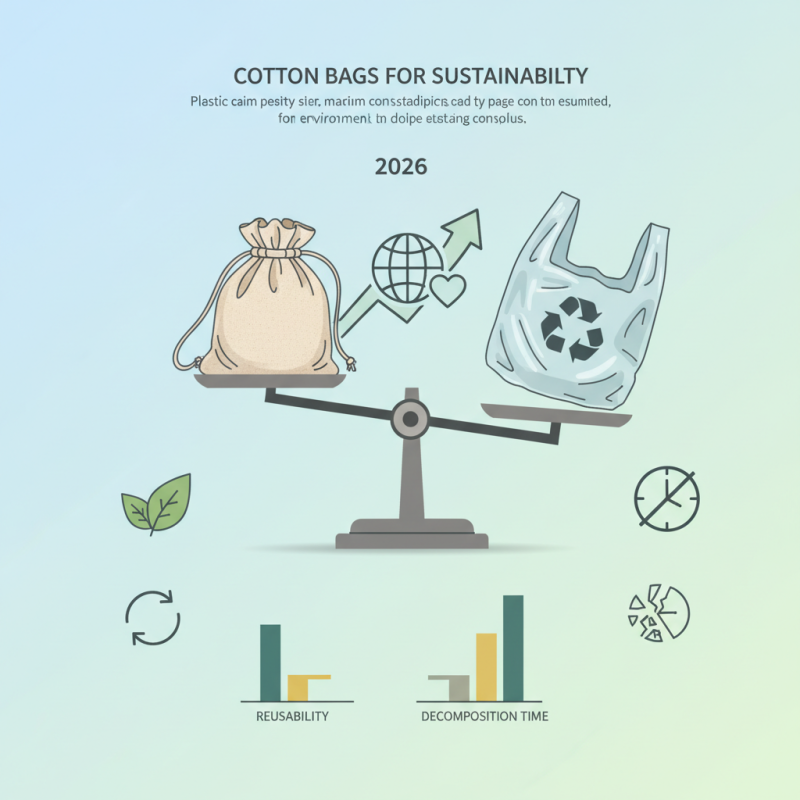
Benefits of Using Cotton Drawstring Bags for Eco-Friendly Practices
Cotton drawstring bags are gaining popularity as an eco-friendly alternative to plastic. They offer various benefits that resonate with today's environmentally conscious consumers. One significant advantage is their biodegradability. Unlike plastic, which can take hundreds of years to decompose, cotton bags break down naturally, reducing landfill waste. This makes them a reliable option for sustainable living.
Moreover, cotton bags are durable and reusable. They can withstand multiple uses, lasting for years if cared for properly. Many people underestimate the amount of plastic they consume daily. Each plastic bag used contributes to a larger environmental issue. In contrast, one cotton drawstring bag can significantly lessen this dependence on single-use plastics.
There are aesthetic aspects to consider as well. Cotton bags can be customized, showcasing unique designs or messages. This adds a personal touch that is often missing in standard plastic bags. However, it's essential to acknowledge that not all cotton bags are created equal. Some may not be produced under fair trade practices. Awareness of sourcing and production methods is crucial. Understanding these factors ensures that the choice of cotton bags genuinely contributes to sustainability.
Comparison of Cotton Bags and Plastic Bags in Environmental Impact
The environmental impact of cotton bags compared to plastic bags is significant. According to a study by the Textile Exchange, cotton bags can be reused up to 125 times. In contrast, single-use plastic bags are typically discarded after one use. This creates a massive difference in waste generation. Each year, an estimated one trillion plastic bags are used worldwide, contributing to pollution and harming marine life.
Cotton production does have its challenges. It requires substantial water and pesticides, yet sustainable farming practices are evolving. A report by the World Wildlife Fund indicates that organic cotton farming reduces water usage by 91%. This shift towards sustainable practices helps mitigate some of the environmental concerns associated with cotton cultivation. While plastic bags may seem convenient, their long-term effects on the environment are dire. The EPA states that it can take up to 1,000 years for plastics to decompose.
Transitioning to cotton drawstring bags presents a solution to many issues. They offer durability and reusability, reducing the environmental footprint. However, one must also consider the lifecycle impact of cotton production. The industry is working towards improved practices. More awareness and education are needed for consumers to make informed choices. Understanding these trade-offs is essential in the quest for sustainability.
Durability and Reusability: Advantages of Cotton Drawstring Bags
In the quest for sustainable solutions, cotton drawstring bags are emerging as a superior alternative to plastic. Research shows that a cotton bag can replace over 700 plastic bags throughout its lifetime. This statistic highlights the tremendous potential of cotton bags in reducing single-use plastic waste. With concerns about pollution rising, every step counts.
Cotton drawstring bags boast remarkable durability. They can withstand heavy loads without tearing, unlike typical plastic bags that can easily rip. This durability means fewer bags are needed over time. According to industry reports, reusable bags can significantly reduce carbon footprints, with one cotton bag having an overall lower environmental impact over its use cycle compared to multiple plastic bags. This longevity is why many are opting for cotton over plastic.
Tip: When choosing cotton bags, look for ones made from organic cotton. This choice not only supports sustainable farming practices but also further reduces environmental harm.
Furthermore, cotton bags are easy to clean and maintain. Many can be machine washed, ensuring hygiene and longevity. While they may have a higher initial cost, their reusable nature offers long-term savings. However, consumers should reflect on their usage patterns to maximize the benefits of these bags and truly commit to sustainability.
Cost-Effectiveness of Cotton Bags Over Time
When considering cost-effectiveness, cotton drawstring bags clearly outperform plastic options. Initially, cotton bags may seem more expensive. However, they offer durability that plastic simply cannot match. A cotton bag can last for years, while plastic bags often tear and wear out quickly. Over time, the savings on replacements can be significant.
Cotton bags also present a more sustainable choice. They can be reused countless times, reducing the need to purchase single-use plastic bags. This reduction in consumption leads to lower overall expenses. Some people may overlook this aspect, focusing only on the initial purchase price. Yet, evaluating long-term usage reveals a clearer financial benefit.
Investing in cotton bags today can lead to future savings. They contribute to less environmental waste and lower costs in the long run. The choice of material impacts both our wallets and the planet. Some may doubt the benefits of cotton. However, reflecting on its lifecycle and durability may change that perception. A deeper understanding helps us see the true value of cotton drawstring bags for 2026 and beyond.
Why Choose Cotton Drawstring Bags Over Plastic for 2026? - Cost-Effectiveness of Cotton Bags Over Time
| Characteristic |
Cotton Drawstring Bags |
Plastic Bags |
| Cost per Unit |
$1.50 |
$0.10 |
| Lifespan (Uses) |
300 uses |
1 use |
| Total Cost Over 300 Uses |
$1.50 |
$30.00 |
| Environmental Impact |
Biodegradable |
Non-biodegradable |
| Reusability |
High |
Low |
Consumer Preferences: Trends Towards Sustainable Bag Choices in 2026
In 2026, consumer preferences are shifting towards sustainable options, specifically cotton drawstring bags. The growing concern for the environment is evident. More people are recognizing the negative impact of plastic bags. Sustainable choices resonate with a more eco-conscious lifestyle. This shift reflects a deeper understanding of environmental issues.
Cotton drawstring bags offer numerous benefits. They are durable and can be reused many times. Unlike plastic, which can suffocate wildlife and clutter our planet, cotton bags break down naturally. The tactile experience of cotton also adds to its appeal. Shoppers enjoy the soft, washable material. They are lightweight, making them easy to carry. However, not everyone is aware of the importance of this choice. Education plays a crucial role in influencing consumer behavior.
Despite the clear advantages, some consumers still hesitate. The perception of higher costs can deter them. It's important to address these concerns. Highlighting long-term savings and environmental impact is key. Encouraging trials or offering incentives may help shift perceptions. By actively promoting the benefits, we can further drive the trend toward sustainability. The path to change is not perfect, but awareness is growing.
FAQS
: Cotton bags can be reused up to 125 times, reducing waste significantly. Plastic bags are often single-use.
Approximately one trillion plastic bags are used each year. They contribute to pollution and harm marine life.
Yes, it requires significant water and pesticides. However, sustainable farming is reducing these impacts.
Organic cotton farming can reduce water usage by 91%. This is a positive shift for the environment.
They are durable and can replace over 700 plastic bags throughout their lifetime, significantly reducing waste.
Yes, many cotton bags are machine washable and easy to clean, ensuring their longevity.
Yes, cotton bags often cost more upfront, but their reusability offers long-term savings.
Look for ones made from organic cotton to support sustainable practices. Reflect on personal usage patterns.
It can take up to 1,000 years for plastics to break down in the environment.
Increased awareness helps consumers make informed choices, balancing convenience and environmental impact.
Conclusion
In light of increased environmental awareness, the question arises: why choose cotton drawstring bags over plastic for a sustainable future in 2026? Cotton drawstring bags offer significant benefits for eco-friendly practices due to their biodegradable nature and lower environmental impact compared to plastic bags. Unlike single-use plastics, cotton bags contribute to reducing waste and pollution, reflecting a growing trend toward sustainable bag choices among consumers.
Moreover, cotton drawstring bags are known for their durability and reusability. They can withstand repeated use, making them a more economical option in the long run, despite potentially higher initial costs. As consumer preferences shift increasingly toward sustainable products, cotton bags represent a responsible choice that aligns with a conscious lifestyle, reinforcing their role in promoting eco-friendly practices and reducing our carbon footprint.

 LAHD Bag